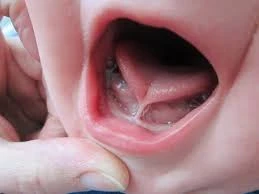

Tongue tie, medically known as ankyloglossia, has long been associated with breastfeeding challenges in infants. But modern research and evolving dental practices are now revealing that this condition can affect much more than just early feeding. Timely tongue tie treatment is becoming increasingly important not only for babies, but also for toddlers and even older children who may experience speech, breathing, and sleep-related complications due to this often-overlooked issue.
What Really Happens in Tongue Tie?
In a child with tongue tie, a tight or short lingual frenulum (the tissue connecting the tongue to the floor of the mouth) restricts the tongue’s movement. This restriction may seem mild at first but can result in cascading effects on various aspects of development.
Traditionally, the focus of tongue tie treatment has been breastfeeding. However, specialists now recognize its connection to:
- Delayed speech clarity or articulation issues
- Restricted jaw and facial growth
- Sleep-disordered breathing or snoring in children
- Postural and myofunctional imbalances
These new findings are pushing healthcare professionals to take a more proactive approach toward diagnosis and intervention.
Beyond the Bottle: Modern Tools for Assessment
While physical observation and latch assessment are still key, today’s practitioners are using advanced screening tools to evaluate tongue mobility, oral muscle function, and craniofacial development. Some dentists and myofunctional therapists use techniques like:
- Surface electromyography (sEMG) to track muscle activity
- 3D oral scanning to visualize oral restrictions
- Video-based latch analysis during feeding
These modern methods make early and accurate diagnosis more achievable—helping to guide appropriate tongue tie treatment strategies before long-term complications arise.
Treatment Options: From Traditional to Laser Precision
Once diagnosed, treatment is typically minor but highly effective. The traditional method, called a frenotomy, involves snipping the tight tissue with sterile scissors. However, newer techniques such as laser-assisted frenectomy are gaining popularity for their precision, reduced bleeding, and minimal discomfort.
Laser procedures offer a quick, bloodless solution with faster healing times—making it easier for babies and children to return to regular feeding or speech therapy within hours or a couple of days.
In many cases, treatment is supported by a multidisciplinary team that may include lactation consultants, speech-language pathologists, and myofunctional therapists to ensure proper function and recovery post-procedure.
Why Timing Matters
Tongue tie treatment early can dramatically improve outcomes. For infants, it can restore effective breastfeeding, promoting better nutrition and bonding. For toddlers and older children, it can prevent or reduce the need for speech therapy and orthodontic intervention later in life.
That’s why more pediatric dental clinics and specialists are integrating tongue assessments into early wellness checks.
Conclusion
If you suspect your child may have tongue tie—whether they’re an infant with latch issues or a toddler with unclear speech—it’s worth getting a professional evaluation. Child Dentist Pune is a reliable option for parents seeking accurate diagnosis and gentle, effective care.
Advances in tongue tie treatment mean that today’s parents have more tools than ever to address this issue early—helping their children eat, sleep, and speak better from the very start.






























Sign in to leave a comment.