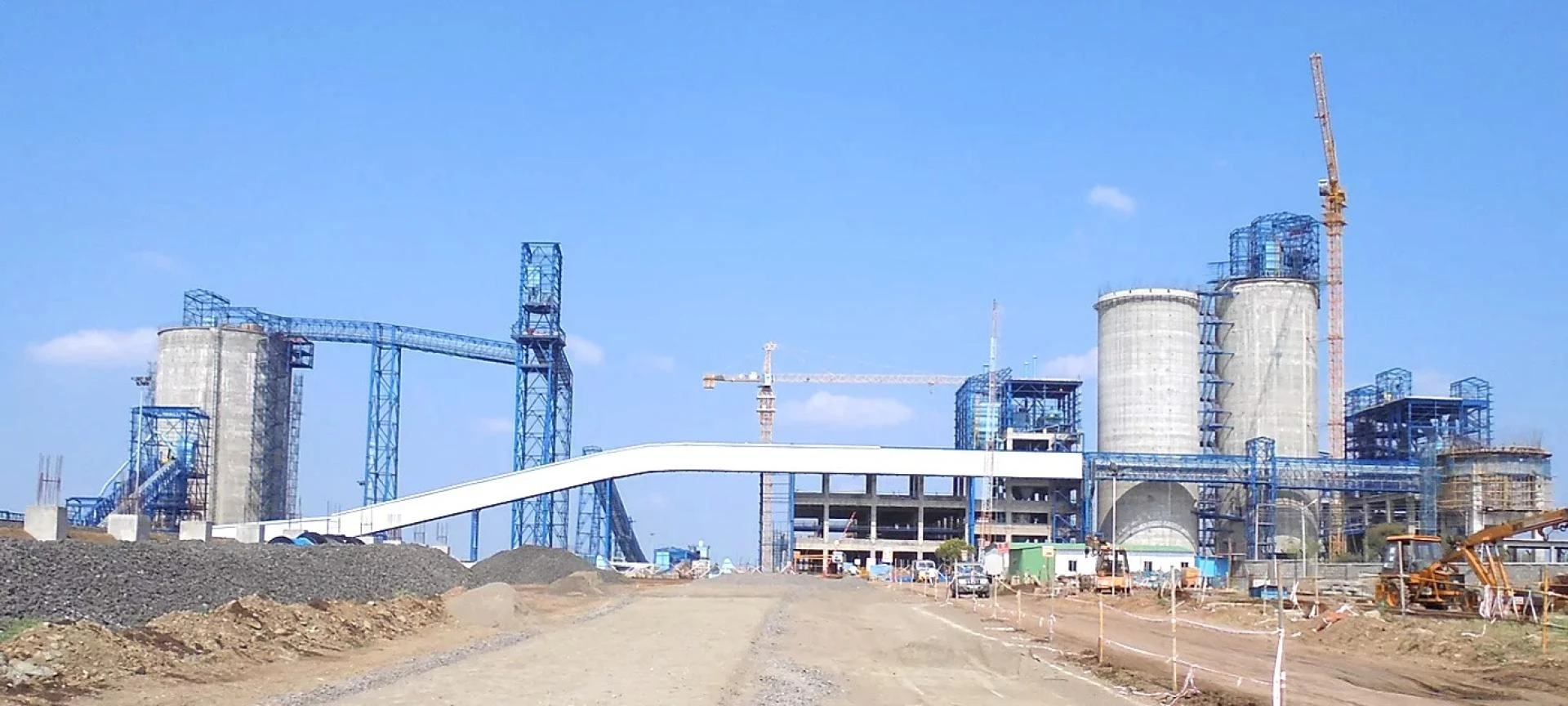
As industrial facilities expand to meet increasing production demands, the structural design behind bulk material handling systems has become a critical determinant of operational success. Large-scale projects in sectors such as mining, power, steel, cement, and ports rely heavily on robust engineering frameworks that can support continuous, high-volume material flow. Structural design is no longer merely about strength—it is about optimizing durability, safety, and long-term performance.
The complexity of modern industrial layouts means that every conveyor gallery, transfer tower, trestle, and storage silo must be engineered with precision. A slight miscalculation can lead to misalignment, excessive wear, or even structural failure. With industries moving towards automation and higher throughput, structural integrity has become more essential than ever.
Why Structural Design Is Crucial in Material Handling
The structural design of bulk handling facilities influences several operational factors:
- The ability of equipment to withstand dynamic loads
- Smooth movement of bulk materials with minimal resistance
- Longevity of conveyors, hoppers, and support structures
- Safety during round-the-clock operations
- Compliance with industry standards and environmental conditions
Well-designed structures ensure that plants can operate without unplanned shutdowns and handle material flow efficiently across multiple levels and distances.
Key Elements of Modern Structural Design
To meet the needs of large-scale projects, engineers now incorporate advanced techniques and design strategies:
1. Material Flow Optimization
Structures are designed to reduce bottlenecks, ensure uniform flow, and minimize spillage or blockages.
2. Lightweight but High-Strength Frameworks
Fabrication now uses advanced alloys and high-grade steel to create stronger, more durable structures without adding unnecessary weight.
3. 3D Modelling and Simulation
Engineers use software to simulate stress, load, vibration, and temperature changes. This predictive approach prevents costly on-site errors.
4. Safety and Compliance Standards
Designs incorporate safety walkways, maintenance access points, fire-resistant coatings, and structural zoning to adhere to global safety guidelines.
5. Terrain and Environmental Compatibility
Projects in ports, mining regions, or coastal zones require structures that can withstand corrosion, wind loads, seismic activity, or abrasive environments.
In the center of this evolving landscape, companies like
bulk material handling equipment manufacturers such as Methods India have become vital partners. Their expertise in structural design and fabrication enables industries to build reliable material handling infrastructure capable of supporting vast operational demands.
How Structural Design Impacts Project Performance
The quality of structural engineering directly affects:
- Operational Efficiency: Reduced downtime and smoother flow paths
- Maintenance Costs: Lower wear and tear due to better alignment
- Safety: Improved protection for workers and equipment
- Scalability: Ability to expand systems without structural modifications
- Project Life Cycle: Longer lifespan of installations
Why Industries Choose Engineering-Led Partners
Major industries prefer working with companies that offer:
- Comprehensive structural analysis
- Custom-built fabrication solutions
- On-site integration and alignment support
- End-to-end project execution
- Proven experience in large, complex installations
This ensures not only equipment performance but also the long-term resilience of the entire handling system.
Conclusion
Structural design has become a central pillar in the success of bulk material handling projects. With industries adopting larger capacities, tighter safety norms, and complex multi-level systems, precise engineering is essential. Organizations that combine technical expertise with practical industry understanding are shaping the future of reliable and efficient material handling infrastructure.


























Sign in to leave a comment.