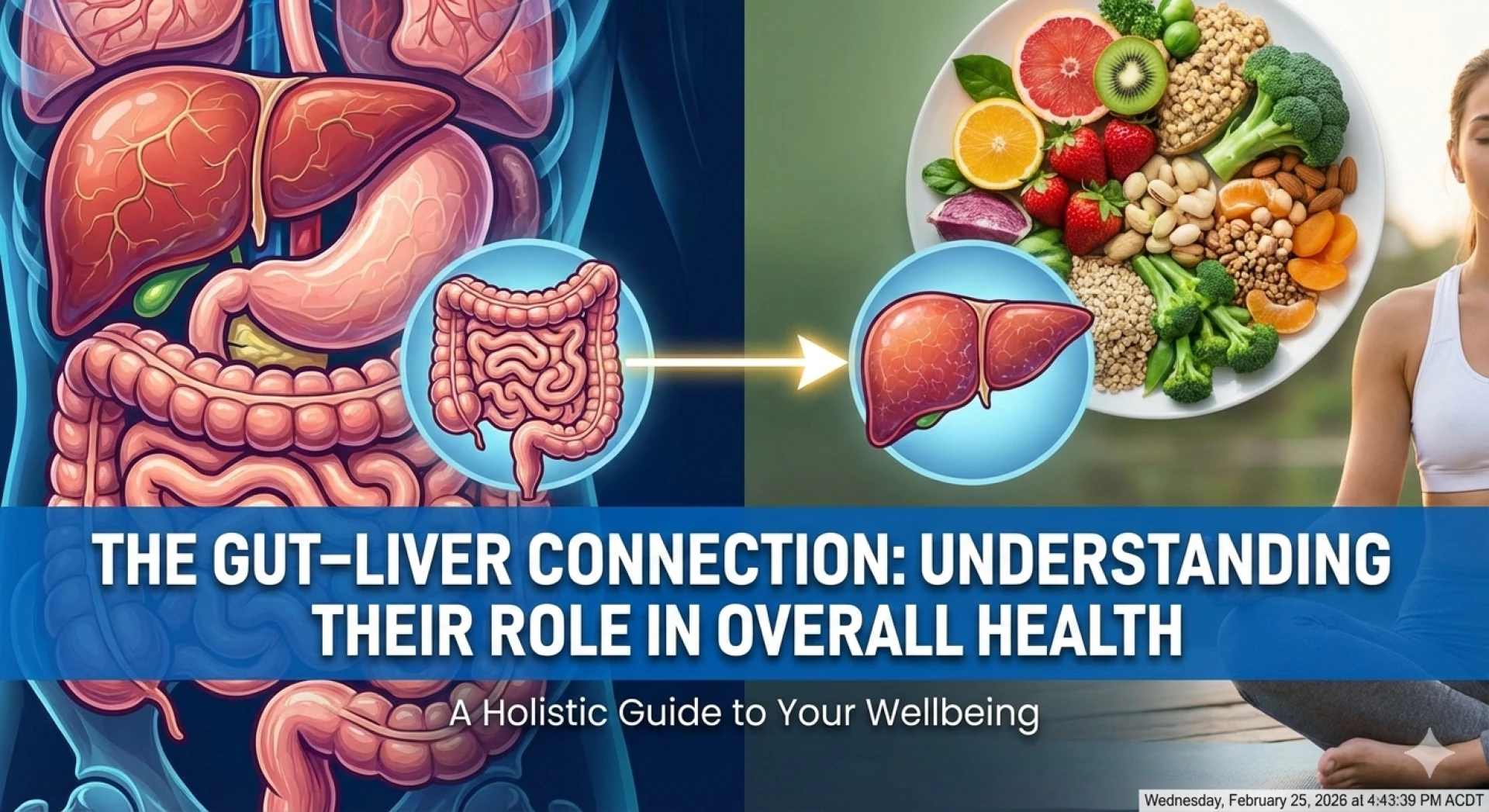

When people think about health, they usually focus on one area at a time. Gut health. Liver health. Immunity. Energy.
But what if I told you that your gut and your liver are constantly talking to each other?
Not metaphorically. Biologically.
This powerful partnership — often called the gut–liver axis — plays a major role in digestion, detoxification, inflammation control, metabolism, and overall vitality.
If one struggles, the other feels it.
Let’s break down how this connection works — and how you can support both naturally.
Why Gut Health and Liver Health Matter More Than You Think
The Body’s Internal Communication Network
Your body isn’t a collection of separate systems. It’s more like a group chat where everything is connected.
The gut sends nutrients — and sometimes toxins — directly to the liver. The liver processes them and sends signals back.
When communication flows smoothly, you feel balanced.
When it doesn’t? You may notice fatigue, bloating, skin issues, or sluggish digestion.
What Happens When the Gut–Liver Axis Is Imbalanced
If the gut barrier weakens or the microbiome becomes imbalanced, more toxins and inflammatory compounds may reach the liver.
Over time, this can increase stress on liver function.
And if the liver struggles, digestion and microbial balance may suffer too.
It’s a two-way street.
What Is Gut Health?
The Microbiome Explained
Inside your gut live trillions of microorganisms — bacteria, fungi, and other microbes.
Together, they form your microbiome.
A balanced microbiome supports:
- Nutrient absorption
- Immune regulation
- Inflammation control
- Mood balance
Think of it as a bustling ecosystem. When diversity is high, everything runs smoother.
The Gut Barrier and Its Protective Role
Your intestinal lining acts like a filter.
It allows nutrients to pass through — while blocking harmful substances.
Signs of Poor Gut Health
- Bloating
- Gas
- Irregular bowel movements
- Food sensitivities
- Low energy
Factors That Disrupt the Microbiome
- High sugar diets
- Chronic stress
- Lack of sleep
- Frequent antibiotic use
- Low fiber intake
Sound familiar? Modern lifestyles aren’t exactly microbiome-friendly.
What Is Liver Health?
The Liver’s Key Functions
Your liver is one of the hardest-working organs in your body.
It helps with:
- Detoxification
- Nutrient processing
- Hormone balance
- Bile production
- Energy metabolism
It’s basically your body’s chemical processing plant.
Detoxification and Metabolism
The liver transforms waste products and toxins into forms the body can eliminate.
It also processes fats, proteins, and carbohydrates.
Signs Your Liver May Need Support
- Persistent fatigue
- Digestive discomfort after fatty meals
- Skin changes
- Brain fog
These symptoms can have many causes, but liver function plays a role.
Lifestyle Factors That Affect the Liver
- Alcohol consumption
- Highly processed foods
- Excess sugar
- Sedentary lifestyle
Small habits compound over time.
The Gut–Liver Axis: How They Communicate
The Portal Vein Connection
Here’s where it gets interesting.
Blood from your digestive tract travels directly to your liver through a vessel called the portal vein.
This means everything absorbed in your gut goes straight to the liver first.
Good nutrients? Great.
Excess toxins? Not so great.
Inflammation and Toxin Circulation
If the gut barrier becomes compromised, more inflammatory compounds may enter circulation.
The liver then has to process this increased load.
Over time, this may influence metabolic balance and overall inflammation.
The Role of Bile in Digestion
The liver produces bile, which helps break down fats.
Bile also plays a role in shaping the gut microbiome.
Healthy bile flow supports both digestion and microbial balance.
The Impact of Leaky Gut on Liver Function
If the gut lining becomes more permeable, bacterial components may reach the liver more easily.
This can increase immune activation and liver stress.
Again — two-way communication.
How Gut Health Affects Liver Health
Microbial Balance and Toxin Load
A balanced microbiome produces beneficial compounds like short-chain fatty acids.
These compounds may help regulate inflammation and support metabolic health.
An imbalanced microbiome, however, may increase toxin production.
Short-Chain Fatty Acids and Inflammation
Short-chain fatty acids, produced when gut bacteria ferment fiber, may help:
- Strengthen the gut barrier
- Reduce inflammation
- Support metabolic balance
Fiber feeds your microbes. Your microbes support your liver.
It’s teamwork.
How Liver Health Affects Gut Health
Bile Production and Microbiome Balance
Bile doesn’t just digest fats — it also influences which bacteria thrive in your gut.
Imbalanced bile flow may contribute to digestive discomfort and microbial shifts.
Detoxification and Digestive Comfort
If the liver struggles to process certain compounds, you may notice symptoms like bloating or sluggish digestion.
Efficient detoxification supports smoother digestive function.
Supporting Gut Health Naturally
Fiber and Prebiotics
Fiber is one of the most powerful tools for gut health.
Sources include:
- Vegetables
- Legumes
- Whole grains
- Seeds
Prebiotic fibers specifically feed beneficial bacteria.
Probiotics and Fermented Foods
Yogurt, kefir, sauerkraut, and kimchi may introduce helpful microbes.
Consistency matters more than occasional use.
Hydration and Digestive Enzymes
Water supports bowel regularity.
Adequate chewing and mindful eating improve digestive efficiency.
Simple habits. Big impact.
Supporting Liver Health Naturally
Cruciferous Vegetables and Bitters
Vegetables like broccoli, kale, and Brussels sprouts contain compounds that support natural detox pathways.
Bitter foods may stimulate bile production.
Antioxidant Nutrients
Antioxidants help neutralize oxidative stress.
Vitamin C, vitamin E, and plant polyphenols may support liver resilience.
Reducing Alcohol and Processed Foods
Moderation is key.
Limiting excess alcohol and ultra-processed foods reduces strain on the liver.
Lifestyle Habits for a Healthy Gut–Liver Axis
Sleep and Circadian Rhythm
Your liver follows a circadian rhythm too.
Poor sleep may influence metabolic and detox processes.
Stress Management
Chronic stress affects gut motility, microbiome balance, and inflammation.
Breathing exercises, meditation, or walking outdoors can help regulate stress responses.
Regular Movement
Exercise supports circulation, metabolic health, and digestive function.
You don’t need extreme workouts — just consistency.
When to Seek Professional Support
Persistent Digestive Symptoms
If bloating, pain, or irregular bowel movements continue, medical evaluation is important.
Abnormal Liver Tests
Routine blood work can help monitor liver enzymes.
Always consult a healthcare professional if results are outside normal ranges.
Conclusion
Your gut and liver are partners in maintaining balance.
Support one, and you often support the other.
By nourishing your microbiome, reducing toxin load, prioritizing sleep, and managing stress, you strengthen the entire gut–liver axis.
Health isn’t about isolated fixes.
It’s about systems working together.
And when your gut and liver communicate well? Your whole body feels the difference.
FAQs
1. What is the gut–liver axis?
It’s the biological connection between the digestive tract and the liver, allowing constant communication through blood flow and biochemical signals.
2. Can poor gut health affect liver function?
Yes. An imbalanced gut may increase toxin load and inflammation, which can impact liver health.
3. How can I improve both gut and liver health at the same time?
Focus on fiber-rich foods, balanced nutrition, adequate sleep, stress reduction, and regular movement.
4. Does alcohol affect the gut–liver connection?
Excess alcohol may disrupt gut barrier integrity and increase liver strain.
5. How long does it take to support gut and liver health naturally?
Improvements build gradually with consistent lifestyle changes over weeks to months.






























Sign in to leave a comment.