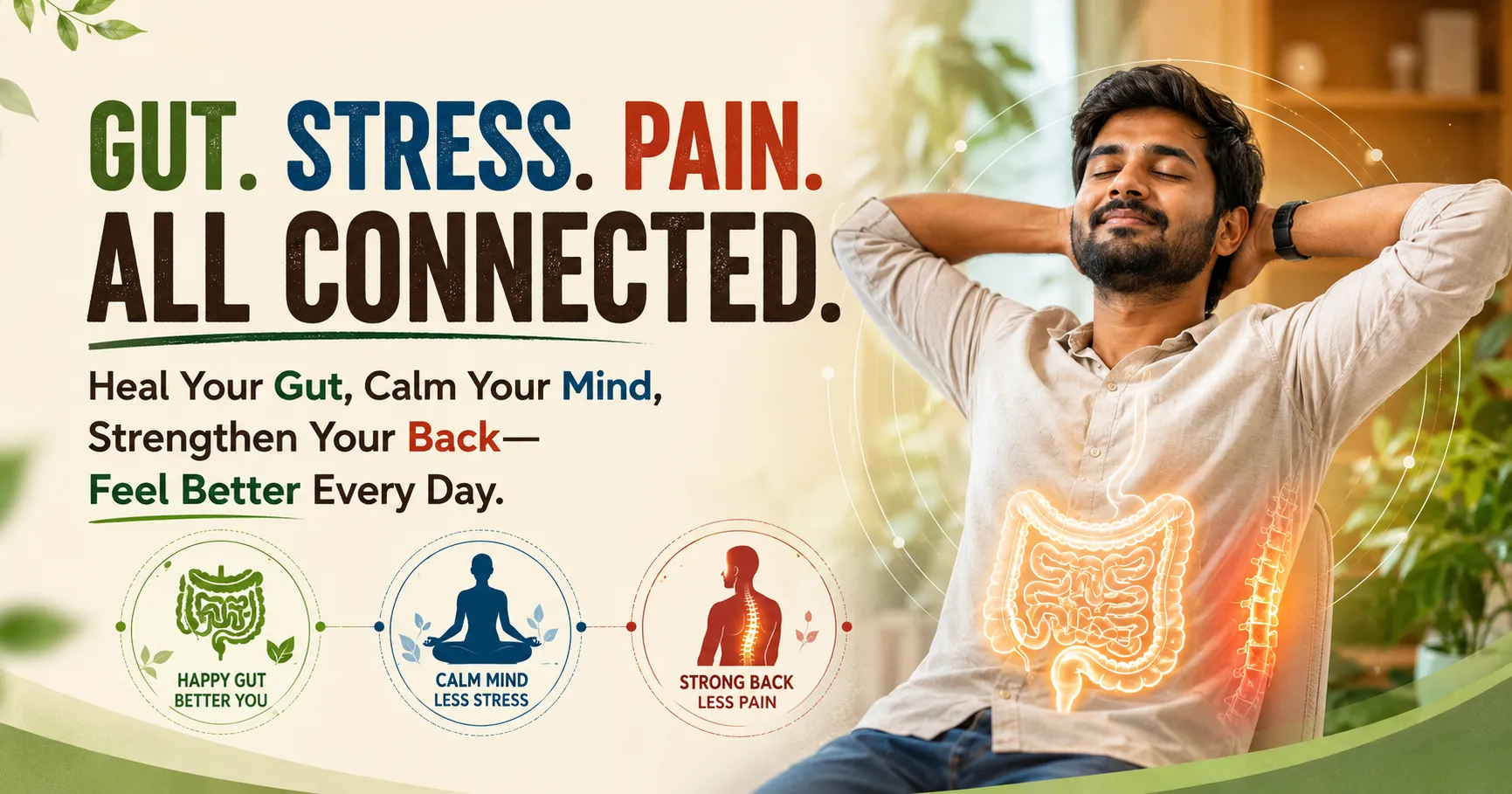

In recent years, more people have started looking beyond isolated health concerns and adopting a holistic approach to wellbeing. Rather than focusing on a single aspect of health, many individuals are exploring how different systems of the body work together to influence energy levels, mood, physical comfort, and overall quality of life.
One area receiving significant attention is the connection between gut health, stress levels, and physical wellbeing. Research continues to highlight the importance of the gut-brain connection, while health experts increasingly recognize that lifestyle factors such as stress, sleep, movement, and nutrition can have far-reaching effects throughout the body.
Although these areas may seem unrelated at first glance, they are closely interconnected. The state of your digestive system may influence how you feel emotionally, while ongoing stress can affect digestive function and daily comfort. Similarly, physical discomfort can contribute to stress and impact overall wellbeing.
Understanding these relationships can help individuals make more informed lifestyle choices and create a sustainable daily wellness routine that supports both body and mind.
Understanding the Gut-Brain-Body Connection
What Is the Microbiome?
The human digestive tract is home to trillions of microorganisms, including bacteria, fungi, and other microbes. Together, these microorganisms form what is known as the gut microbiome.
The microbiome plays a role in various bodily processes, including digestion, nutrient metabolism, and immune system function. Scientists continue to study the complex interactions between these microorganisms and overall health.
A balanced and diverse microbiome is often considered an important component of digestive health and general wellbeing.
How Gut Health May Influence Overall Wellbeing
When discussing gut health, many people think only about digestion. However, the digestive system is connected to multiple aspects of wellness.
A healthy gut may help support:
- Efficient digestion and nutrient absorption
- Immune system function
- Healthy energy levels
- Daily comfort
- General wellbeing
Lifestyle factors such as dietary choices, physical activity, sleep quality, hydration, and stress management can all influence gut health over time.
The Gut-Brain Connection Explained
The gut and brain communicate through a complex network often referred to as the gut-brain axis. This communication occurs through nerve pathways, hormones, and biochemical signals.
Because of this connection, emotional wellbeing and digestive health often influence one another. Many people notice changes in digestion during stressful periods, while digestive discomfort may also affect mood and quality of life.
This relationship highlights the importance of supporting both mental and physical wellbeing as part of a comprehensive health strategy.

The Impact of Stress on Everyday Health
Common Sources of Stress
Stress is a normal part of life. Work responsibilities, financial pressures, family commitments, health concerns, and daily obligations can all contribute to stress levels.
While occasional stress is a natural response, prolonged stress may affect multiple aspects of wellbeing.
Common stressors include:
- Busy work schedules
- Family responsibilities
- Lack of sleep
- Financial concerns
- Major life changes
- Limited downtime
How Stress Can Affect the Body
When stress levels rise, the body activates a natural response designed to help individuals manage challenging situations. However, when stress becomes persistent, it may influence various systems throughout the body.
People experiencing ongoing stress may notice:
- Reduced focus and concentration
- Changes in sleep patterns
- Increased fatigue
- Muscle tension
- Changes in appetite
- Reduced overall wellbeing
These effects can create a cycle where stress impacts physical comfort, and physical discomfort contributes to further stress.
The Importance of Relaxation and Self-Care
Managing stress is an important part of maintaining a healthy lifestyle. While there is no single solution that works for everyone, consistent self-care practices can support emotional wellbeing.
Helpful relaxation techniques may include:
- Deep breathing exercises
- Mindfulness practices
- Gentle movement
- Spending time outdoors
- Listening to music
- Reading
- Social connection
- Establishing healthy sleep habits
For individuals seeking additional support as part of a broader wellness routine, products such as Bioglan Medlab AlphaRelax Oral Powder may be considered alongside healthy lifestyle practices. Incorporating supportive wellness habits into daily routines can help create a balanced approach to relaxation and overall wellbeing.

Why Physical Comfort Matters for Quality of Life
Common Lifestyle Factors Behind Occasional Back Discomfort
Modern lifestyles often involve long periods of sitting, screen use, and reduced movement. These habits can contribute to occasional physical discomfort, particularly in the back and surrounding muscles.
Factors that may influence physical comfort include:
- Poor posture
- Sedentary lifestyles
- Repetitive movements
- Inadequate recovery
- Insufficient sleep
- Physical strain from daily activities
Addressing these factors through healthy lifestyle practices may help individuals maintain comfort and mobility.
The Role of Movement and Recovery
Regular movement plays an important role in supporting overall wellbeing. Activities such as walking, stretching, strength training, and mobility exercises can help individuals stay active and maintain physical function.
Equally important is recovery. Sleep, hydration, balanced nutrition, and stress management all contribute to how the body responds to daily physical demands.
For those seeking products that complement an active lifestyle, Bioglan Medlab Backache Pain Relief may be included as part of a broader wellness approach focused on maintaining everyday comfort and supporting physical activity.

Building a Complete Daily Wellness Routine
Prioritize Nutrient-Dense Foods
Nutrition forms the foundation of many healthy lifestyle habits. A balanced diet rich in whole foods can support digestive health and overall wellbeing.
Focus on:
- Fruits and vegetables
- Whole grains
- Lean protein sources
- Healthy fats
- Fibre-rich foods
- Adequate hydration
Support Digestive Health
Digestive health is an important component of overall wellness. Supporting a healthy microbiome often involves consuming a diverse range of nutrient-rich foods and maintaining healthy daily habits.
Families looking to support digestive and microbiome health may consider probiotic options such as Bioglan Medlab Biotic Jnr Powder as part of a broader wellness routine. Products designed for children can complement healthy eating habits and support family-focused approaches to digestive wellbeing.
Prioritize Quality Sleep
Sleep influences nearly every aspect of health, including energy levels, stress resilience, cognitive performance, and physical recovery.
Helpful sleep habits include:
- Maintaining a consistent bedtime
- Limiting screen exposure before sleep
- Creating a comfortable sleep environment
- Avoiding excessive caffeine late in the day
- Establishing a calming evening routine

Practical Tips for Supporting Gut Health, Relaxation and Everyday Comfort
Creating a sustainable wellness routine does not require drastic changes. In many cases, small daily habits can make a meaningful difference over time. The goal is to establish consistent practices that support digestive health, stress management, and physical comfort.
Eat More Fibre-Rich Foods
Dietary fibre helps support digestive health and contributes to a balanced microbiome. Many people do not consume enough fibre in their daily diets, making this an excellent place to start.
Good sources of fibre include:
- Oats
- Whole grains
- Beans and legumes
- Fruits
- Vegetables
- Nuts and seeds
Gradually increasing fibre intake while staying hydrated can help support digestive comfort.
Stay Hydrated Throughout the Day
Water plays a role in many bodily functions, including digestion, circulation, and temperature regulation.
Simple hydration tips include:
- Carry a reusable water bottle
- Drink water regularly throughout the day
- Consume water-rich fruits and vegetables
- Limit excessive sugary beverages
Incorporate Daily Movement
Movement supports physical wellbeing, mobility, and overall quality of life.
You don't necessarily need an intensive exercise program. Consistency often matters more than intensity.
Examples include:
- Walking
- Stretching
- Yoga
- Swimming
- Cycling
- Strength training
Even short movement breaks throughout the workday can be beneficial.
Manage Stress Proactively
Many people wait until they feel overwhelmed before addressing stress. Developing proactive stress-management habits can support emotional wellbeing throughout the year.
Consider:
- Mindfulness exercises
- Journaling
- Breathing techniques
- Time management strategies
- Spending time in nature
- Connecting with friends and family
Support Family Wellness Habits
Health routines are often easier to maintain when the entire household participates.
Family wellness habits may include:
- Shared meals
- Outdoor activities
- Consistent sleep schedules
- Limiting screen time
- Encouraging healthy food choices
A family-focused approach can help reinforce positive habits and support long-term wellbeing.

Featured Snippet: What Is the Connection Between Gut Health, Stress, and Physical Comfort?
Gut health, stress levels, and physical comfort are interconnected through various communication pathways within the body. The gut-brain connection allows digestive health and emotional wellbeing to influence one another, while stress may affect digestion, sleep, and physical comfort. Supporting microbiome health, managing stress effectively, and maintaining an active lifestyle can contribute to overall wellbeing and a healthier daily routine.
Creating a Long-Term Wellness Mindset
One of the biggest misconceptions about wellbeing is that it depends on finding a single solution. In reality, health is often influenced by multiple lifestyle factors working together.
Long-term wellness is typically built through:
- Consistent nutrition habits
- Regular movement
- Adequate sleep
- Effective stress management
- Social connection
- Preventive self-care
Rather than striving for perfection, focus on sustainable habits that fit your lifestyle and personal goals.
Small Changes Can Lead to Meaningful Results
Some of the most effective wellness habits are also the simplest:
- Taking a daily walk
- Adding an extra serving of vegetables
- Going to bed 30 minutes earlier
- Practicing five minutes of mindfulness
- Drinking more water
These actions may seem minor individually, but their cumulative effect can support overall wellbeing over time.
Frequently Asked Questions
1. What is the gut-brain connection?
The gut-brain connection refers to the communication network between the digestive system and the brain. This relationship allows signals to travel between the gut and nervous system, influencing various aspects of health and wellbeing.
2. How can I support my gut health naturally?
Supporting gut health often involves eating a balanced diet rich in fibre, staying hydrated, engaging in regular physical activity, managing stress, and maintaining healthy sleep habits.
3. Can stress affect digestive health?
Stress may influence digestive comfort and overall wellbeing. Many people notice changes in digestion, appetite, or routine during periods of increased stress.
4. Why is stress management important for overall wellbeing?
Effective stress management can support emotional resilience, sleep quality, productivity, and daily quality of life. Incorporating relaxation techniques into a daily routine may help maintain balance.
5. What lifestyle habits may help support back comfort?
Regular movement, good posture, proper recovery, quality sleep, and maintaining an active lifestyle may help support everyday physical comfort and mobility.
6. How can families support digestive wellness?
Families can support digestive wellness through balanced nutrition, regular physical activity, healthy sleep routines, and age-appropriate wellness products when suitable for individual needs.
7. How are gut health, stress, and physical wellbeing connected?
These aspects of health influence one another through complex biological systems. Supporting digestive health, managing stress, and maintaining physical comfort can contribute to a more balanced approach to overall wellbeing.
Conclusion
Modern wellness is about understanding how different aspects of health work together. Rather than viewing digestion, stress, and physical comfort as separate concerns, it can be helpful to recognize the connections between them.
The gut-brain-body connection highlights the importance of taking a holistic approach to wellbeing. Supporting microbiome health through healthy nutrition, prioritizing stress management, staying physically active, and maintaining positive lifestyle habits can all contribute to a healthier and more balanced life.
Whether your goal is improving digestive health, finding better ways to manage everyday stress, or maintaining physical comfort as part of an active lifestyle, small and consistent changes often have the greatest long-term impact.
Products such as Bioglan Medlab Biotic Jnr Powder, Bioglan Medlab AlphaRelax Oral Powder, and Bioglan Medlab Backache Pain Relief may complement broader wellness routines when used alongside healthy lifestyle practices. However, lasting wellbeing is typically built on a foundation of balanced nutrition, quality sleep, regular movement, and mindful self-care.
Ultimately, wellbeing is a journey rather than a destination. By focusing on sustainable habits and taking a proactive approach to health, individuals and families can create routines that support their wellbeing today and into the future.



























Sign in to leave a comment.