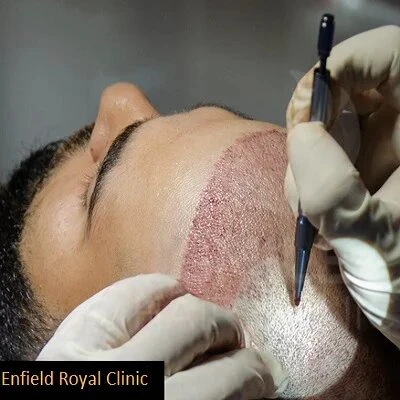

Embarking on the journey of a FUE Hair Transplant in Abu Dhabi is a significant step towards regaining confidence and a fuller head of hair. However, understanding the post-transplant healing process is crucial for managing expectations and ensuring optimal results. In this comprehensive guide, we will walk you through what to expect after your FUE hair transplant, from the immediate aftermath to the long-term recovery.
Immediate Post-Procedure Period: The First Few Days
Day 1: The First 24 Hours
The initial 24 hours after your FUE hair transplant are critical for a successful recovery. You may experience mild discomfort and swelling around the transplanted area. Your surgeon will provide specific post-operative care instructions, including how to clean the recipient and donor areas gently. It's essential to follow these instructions diligently to minimize the risk of infection and promote healing.
Days 2-3: Managing Swelling and Discomfort
During the next couple of days, you might notice increased swelling, particularly around the forehead and eyes. This is a normal part of the healing process and should subside within a week. Pain and discomfort are generally mild and can be managed with prescribed or over-the-counter pain medications.
The First Week: Initial Recovery Milestones
Day 4: Showering and Hair Washing
Around the fourth day, you'll likely be given the green light to start showering and washing your hair. Follow your surgeon's instructions on how to do this gently, avoiding any harsh movements or direct water pressure on the transplanted area.
Days 5-7: Shedding of Transplanted Hair
Don't be alarmed if you notice some shedding of transplanted hair during the first week. This is a natural part of the process, and new hair growth will begin in the coming months. It's crucial to remain patient and trust the process.
Week 2-4: Transitioning Towards Normalcy
Swelling Subsides
By the end of the second week, most of the swelling should have subsided. The transplanted area might still appear red, but this is a normal part of the healing process.
Resuming Regular Activities
You can gradually resume normal daily activities, but it's advisable to avoid strenuous exercises, direct sun exposure, and swimming during this period. Following these guidelines will help ensure a smoother recovery.
Avoiding Alcohol and Smoking
It's essential to abstain from alcohol and smoking during the early weeks of recovery, as these can negatively impact the healing process.
Months 1-3: Early Signs of Hair Growth
Shock Loss
Some individuals may experience what is known as "shock loss" during the first few weeks. This is the temporary shedding of existing hair in the transplanted area, which makes way for new hair growth. Don't be discouraged; this is a positive sign that your hair follicles are preparing for new, healthy growth.
New Hair Growth Begins
Around the third month, you should start noticing the early signs of new hair growth. While the hair may be thin and fine initially, it will gradually thicken and become more noticeable in the coming months.
Months 4-6: Visible Improvement
Increased Hair Density
As you approach the fourth to sixth month, the transplanted hair will continue to thicken, and the overall density will improve. This is an exciting phase as you begin to witness the visible results of your FUE hair transplant.
Camouflaging Donor Scars
If you opted for a short hairstyle, any donor scars should start to become less noticeable as the surrounding hair grows and conceals them.
Months 7-12: Continued Progress and Final Results
Full Hair Growth and Thickness
By the end of the first year, you should experience the full growth and thickness of your transplanted hair. This is when you'll see the final, transformative results of your FUE hair transplant.
Follow-Up with Your Surgeon
It's essential to maintain regular follow-up appointments with your surgeon to assess your progress and address any concerns. They may recommend additional treatments or adjustments to optimize the outcome.
Long-Term Care: Maintaining Your Results
Hair Maintenance Routine
Establishing a proper hair care routine is crucial for maintaining the health and appearance of your transplanted hair. Your surgeon can provide guidance on suitable shampoos, conditioners, and styling products.
Sun Protection
Protecting your scalp from direct sunlight is essential to prevent sunburn and maintain the longevity of your transplanted hair. Use hats or sunscreen with adequate SPF when exposed to the sun.
Lifestyle Choices
Adopting a healthy lifestyle, including a balanced diet and stress management, can contribute to the overall well-being of your hair. Avoiding excessive alcohol consumption and refraining from smoking will also support long-term hair health.
Conclusion: Patience Pays Off
In conclusion, the healing process after an FUE Hair Transplant in Abu Dhabi is a gradual journey towards regaining a fuller head of hair and boosted confidence. Patience is key, as results unfold over several months. By understanding and following post-operative care instructions, you'll contribute to the success of your FUE hair transplant and enjoy the transformative results for years to come.



























Sign in to leave a comment.