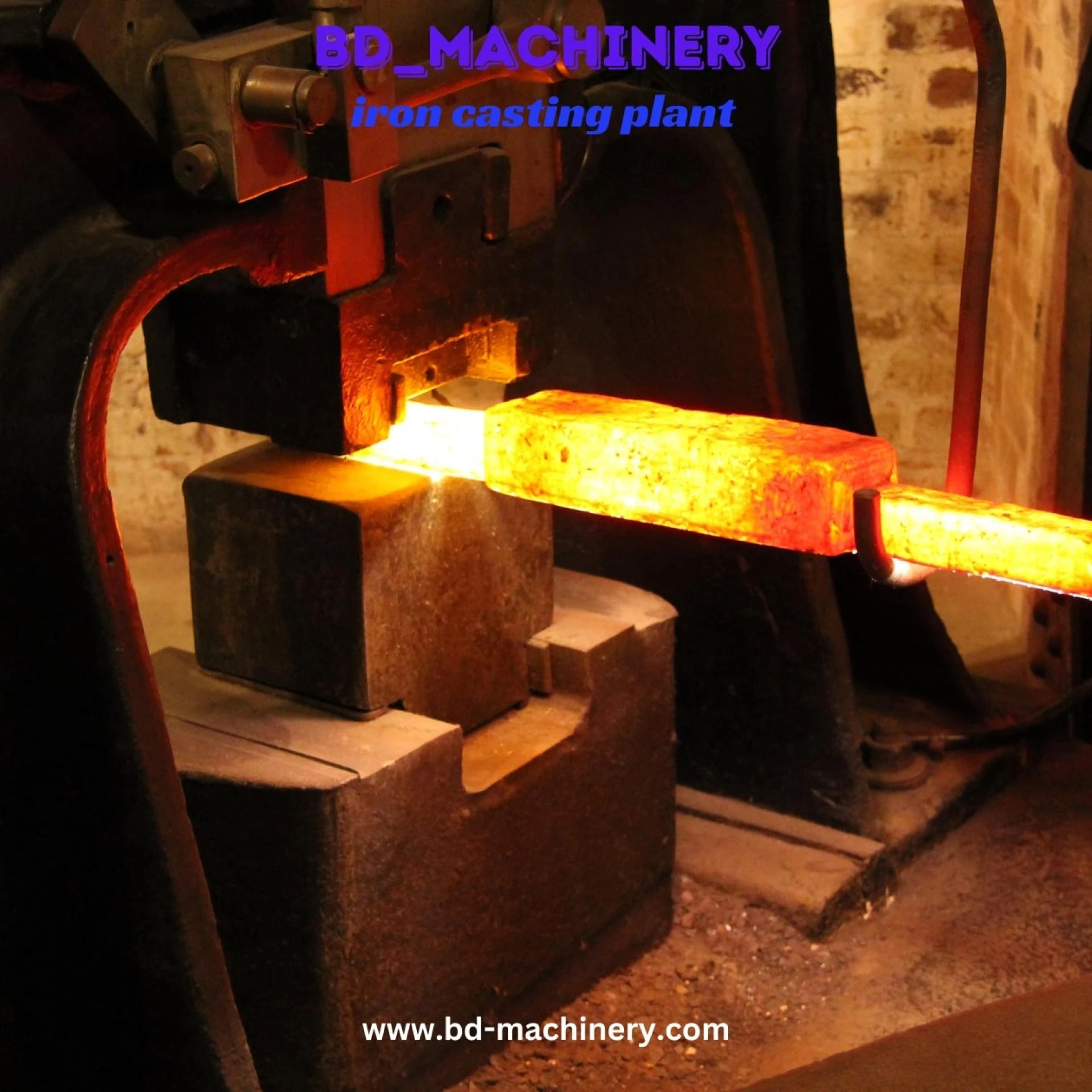

The rhythmic clang of metal, the fiery glow of molten iron, and the scent of burning sand – these are the hallmarks of an iron casting plant, a bustling hub where raw materials are transformed into the building blocks of modern society. This guide takes you on a journey inside this fascinating world, exploring the intricate processes, the specialized equipment, and the dedicated workforce that bring iron to life.
From Ore to Ingot:
The journey begins with iron ore, extracted from mines and transported to the plant. Here, the ore undergoes a series of transformations:
- Sintering: The ore is crushed, mixed with other materials like limestone and coke, and then sintered. This process involves heating the mixture to a high temperature, creating a porous, solid mass called sinter.
- Blast Furnace: The sinter is fed into a towering blast furnace, where it is heated to over 2,700°F with a blast of hot air. This intense heat melts the iron ore, separating it from impurities.
- Pig Iron: The molten iron is tapped from the furnace and cast into pig iron, a raw form of iron that serves as the primary input for casting.
The Art of Casting:
The heart of the plant lies in the casting process, where molten pig iron is transformed into desired shapes:
- Melting and Pouring: Pig iron is re-melted in a cupola furnace, a vertical cylindrical furnace, and then poured into ladles.
- Mold Preparation: Molds are created using various techniques, including sand casting, shell molding, and investment casting. Each technique involves creating a cavity in a mold material that will hold the molten iron.
- Pouring and Solidification: The molten iron is carefully poured into the mold, filling the cavity. The metal then cools and solidifies, taking the shape of the mold.
- Cleaning and Finishing: Once solidified, the cast iron piece is removed from the mold and cleaned of any excess material. It may then undergo further finishing processes, such as machining, grinding, or painting.
The Machinery of Steel:
Iron casting plants are equipped with a range of specialized machinery, each playing a vital role in the process:
- Blast Furnaces: These towering structures are the heart of iron production, where iron ore is smelted into pig iron.
- Cupola Furnaces: These smaller furnaces re-melt pig iron for casting.
- Ladles: These large containers transport molten iron from the furnaces to the molds.
- Molds: These are the heart of the casting process, creating the desired shape for the iron.
- Sand Handling Equipment: This equipment prepares and handles the sand used in mold making.
- Cleaning and Finishing Equipment: This equipment removes excess material and finishes the cast iron pieces.
A Dedicated Workforce:
Behind the machinery and processes lies a dedicated workforce, operating the equipment, maintaining the plant, and ensuring the quality of the finished products. From skilled operators to engineers and technicians, each member plays a vital role in the smooth functioning of the plant.
The Enduring Legacy of Iron:
Iron casting plants are not just factories; they are the foundations of modern society. The iron casting plant they produce finds its way into countless applications, from bridges and buildings to automobiles and appliances. The rhythmic clang of metal, the fiery glow of molten iron, and the dedication of the workforce remind us of the enduring legacy of this vital industry.



























Sign in to leave a comment.