
Imagine getting ready for a trip, only to find your car powerless, its battery dead. Automotive batteries, though seemingly simple components, are the lifeblood of your vehicle, responsible for delivering the initial surge of power needed to crank the engine and get you going.
This article dives into the world of automotive batteries, exploring their workings, various types, and essential maintenance tips to ensure your car starts reliably for years to come.
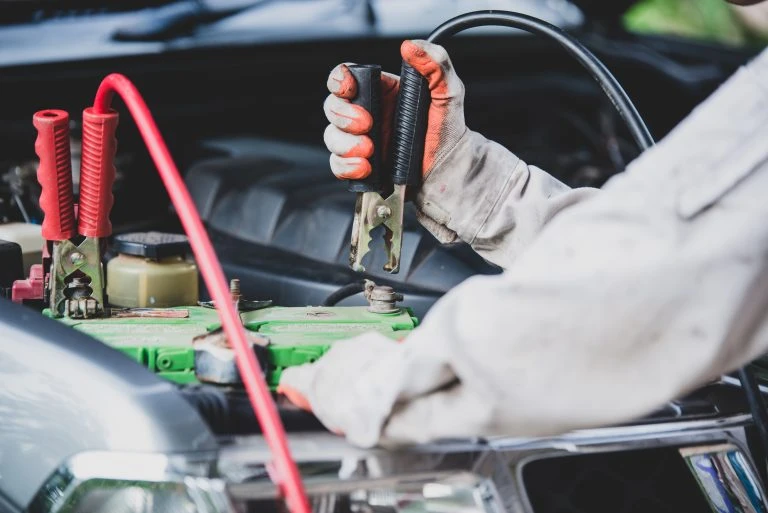
How Does an Automotive Battery Work?
At its core, an automotive battery is a rechargeable electrochemical cell. It consists of multiple lead acid cells, each containing lead plates submerged in an electrolyte solution (sulfuric acid). During a discharge cycle, a chemical reaction occurs between the lead plates and the electrolyte, generating electricity that flows to the car\'s starter motor, initiating engine cranking.
When the engine starts, the car\'s alternator takes over, supplying power to the electrical system and recharging the battery. This continuous cycle of discharge and recharge keeps your battery functional.
Types of Automotive Batteries:
There are two primary types of automotive batteries:
- Flooded Lead-Acid Batteries: These are the most common and affordable type. They feature removable caps that allow for checking and topping up the electrolyte level (distilled water). However, they require more maintenance and can be prone to spills.
- Sealed Maintenance-Free (SMF) Batteries: As the name suggests, SMF batteries are sealed units, eliminating the need for electrolyte level checks or topping up. They are generally more vibration-resistant and require less maintenance, but tend to be slightly more expensive than flooded batteries.
Choosing the Right Battery for Your Car:
When selecting a replacement battery, consider these factors:
- Battery Size: Batteries come in different sizes with varying physical dimensions and terminal positions. Ensure the new battery fits your car\'s designated battery tray and has compatible terminal placements.
- Cold Cranking Amps (CCA): CCA indicates the battery\'s ability to deliver a specific amount of current at low temperatures. This is crucial for starting your car in cold weather. Choose a battery with a CCA rating that meets or exceeds your car\'s manufacturer recommendations.
- Reserve Capacity (RC): RC signifies the battery\'s ability to power essential electrical components (lights, radio) in case the alternator fails. Consider your typical driving habits and choose an RC rating that suits your needs.
Maintaining Your Car Battery:
- Regular Cleaning: Keep the battery terminals clean and free of corrosion buildup. This ensures optimal electrical connection. You can use a baking soda and water solution to clean the terminals and surrounding areas, followed by rinsing with clean water and drying thoroughly.
- Extreme Temperature Protection: Park your car in a shaded area during extreme heat and avoid leaving it unused for extended periods in cold weather. Both extremes can shorten battery life.
- Tighten Connections: Ensure the battery terminals are securely tightened. Loose connections can impede current flow and hinder starting.
By understanding how automotive batteries work, choosing the right type for your car, and implementing proper maintenance practices, you can ensure reliable starts and extend the life of your battery. Remember, a healthy battery is an essential component of a safe and dependable driving experience.


























Sign in to leave a comment.