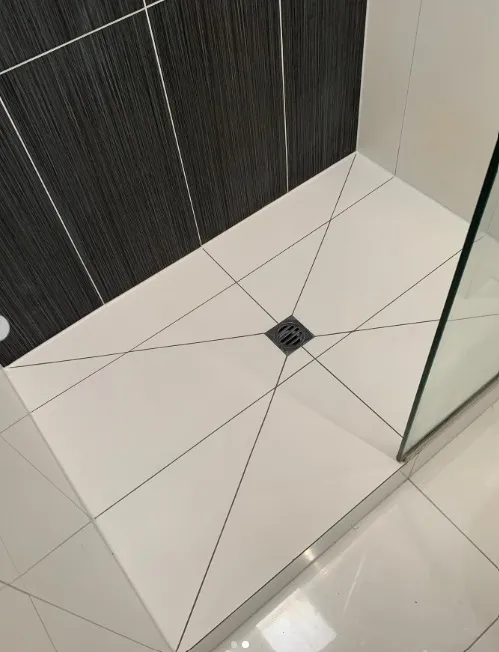

Home owners do not pay much attention to their grout until something goes wrong. It sits quietly between tiles, doing its job without drawing attention. Over time though, small cracks start to appear. At first, they seem harmless but the problem is those small cracks are often the beginning of much bigger issues.
Cracked grout is one of the most common early warning signs of waterproofing failure in homes, especially in bathrooms and balconies. It does not look serious in the beginning that is why people ignore. By the time the real damage becomes visible, the cost and complexity of repairs have already increased.
For anyone considering tile regrouting Carnegie, understanding this connection can help avoid a lot of unnecessary stress and expense.
Why grout plays a bigger role than most people realise
Grout is not just there to fill gaps between tiles but it acts as a barrier that helps control how moisture moves across a surface. Water can pass through small gaps or edges and grout helps manage that flow.
When grout is in good condition, it supports the waterproofing system underneath. It helps keep water where it should be and prevents it from reaching areas that are more vulnerable. Once grout starts to crack, that control is lost.
Even the smallest gap can allow water to seep through. It may not be noticeable straight away, but over time, that moisture begins to affect the layers beneath the tiles.
How small cracks turn into bigger problems
One of the reasons cracked grout is often overlooked is that the change is gradual. You might notice a thin line forming between tiles or a section that looks slightly worn. It does not feel urgent, so it gets pushed aside.
What is happening underneath tells a different story. Water begins to enter through those cracks and settles below the surface. It does not evaporate easily, especially in areas like bathrooms or balconies where airflow is limited.
As moisture builds up, it starts to weaken adhesives and surrounding materials. Tiles may begin to loosen slightly. In some cases, water travels further and affects nearby walls or ceilings.
The connection to waterproofing systems
Every tiled area relies on a waterproofing layer beneath the surface. This layer is designed to prevent water from penetrating deeper into the structure. It works well when everything above it is intact.
Over time, this repeated exposure puts pressure on the system. While waterproofing membranes are designed to handle moisture, they are not meant to deal with constant water intrusion through damaged grout.
Once that happens, repairs become far more involved. Tiles often need to be removed, the membrane replaced and the area rebuilt.
Why bathrooms and balconies are most affected
Certain areas of the home are more prone to this type of damage. Bathrooms are an obvious example because of regular water use. Showers, in particular, experience constant moisture exposure.
Balconies face a different kind of pressure. They are exposed to weather, temperature changes and direct sunlight. These conditions cause materials to expand and contract, which can lead to cracking over time. In both cases, grout is under constant stress. Without proper maintenance, it begins to fail sooner than expected.
The early signs most homeowners miss
The challenge with grout problems is that the early signs are subtle. They do not demand attention the way a leak or visible damage might.
Some of the most common indicators include fine cracks, discolouration that does not clean easily and areas where grout feels slightly rough or uneven. You might also notice tiles that sound hollow when tapped or surfaces that stay damp longer than usual.
These signs are easy to ignore, especially when everything still looks mostly intact. However, they are often the first indication that the protective barrier is weakening.
Why regrouting is more than a cosmetic fix
There is a common belief that regrouting is mainly about improving appearance. While it does refresh the look of tiled surfaces, its primary purpose is functional.
Removing damaged grout and replacing it with new material restores the barrier between tiles. It helps prevent water from entering the underlying layers and supports the overall integrity of the surface.
For many homeowners, tile regrouting Carnegie services provide a way to stop damage before it reaches the waterproofing layer. It is a targeted solution that addresses the root of the problem rather than just covering it up.
The cost difference between early action and major repairs
One of the biggest advantages of addressing grout issues early is cost control. Regrouting is a relatively straightforward process when compared to full waterproofing repairs. Once waterproofing fails, the work becomes more complex. Tiles need to be removed carefully, the damaged membrane replaced and the entire area rebuilt to ensure proper protection.
This not only increases the cost but also extends the time required to complete the work. It can disrupt daily routines, especially in areas like bathrooms.
Why professional assessment matters
While some homeowners attempt to handle grout repairs themselves, it can be difficult to assess the full extent of the issue without experience.
A professional service provides a more accurate understanding of what is happening beneath the surface. They can identify whether the problem is limited to grout or if there are early signs of deeper damage.
For those looking into grouting Melbourne solutions, working with experienced technicians ensures that the right approach is taken from the start.
Building a habit of regular inspection
One of the simplest ways to prevent costly repairs is to make grout inspection part of regular home maintenance. Taking a closer look at tiled areas every few months can help identify changes early. Pay attention to cracks, colour changes and any signs of moisture that do not seem to dry properly. This does not require specialised tools or detailed knowledge. It is about being aware of how surfaces change over time.
Final thoughts
Cracked grout might seem like a small issue, but it is the beginning of more serious damage. The connection between grout condition and waterproofing performance is not always obvious, yet it plays a crucial role in how well a tiled area holds up over time.
For those exploring grouting Melbourne options, the key is to act before the damage spreads. Early intervention protects both the surface and the structure beneath it.
In the long run, maintaining grout is not just about keeping tiles looking neat. It is about preserving the integrity of the entire space and avoiding the kind of repairs that could have been prevented with a simple step at the right time.


























Sign in to leave a comment.