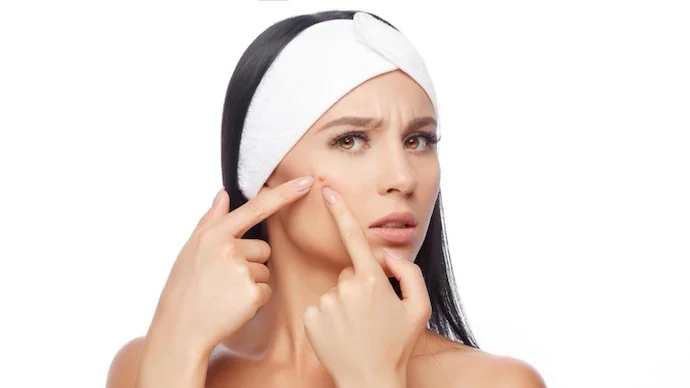

The skin constantly reacts to environmental and internal temperature changes. While most skincare discussions focus on oil production and clogged pores, skin temperature also plays an important role in acne development. When skin temperature rises, sebum production, bacterial activity, and inflammation may increase. Many people searching for clearer skin often begin their routine with products like a salicylic acid daily gentle cleanser, which helps remove excess oil and impurities from the surface. However, understanding how temperature affects the skin can provide deeper insight into why acne appears and how it heals.
Skin temperature is influenced by weather, physical activity, emotional stress, and indoor environments. Even small changes in temperature can affect how the skin behaves. Learning how temperature interacts with the skin barrier helps individuals develop smarter skincare habits and prevent recurring breakouts.
Understanding Skin Temperature Regulation
Human skin functions as a protective barrier while also helping regulate body temperature. Blood vessels located beneath the skin expand and contract to maintain thermal balance. When the body becomes warmer, blood flow increases near the surface to release heat.
This process can affect the skin in several ways:
• Increased oil production
• Higher sweat activity
• Expansion of pores
• Increased bacterial growth
When these changes occur repeatedly throughout the day, the skin environment becomes more favorable for acne formation.
Why Higher Skin Temperature Encourages Breakouts
Sebum production is closely linked to skin temperature. Studies have shown that even small increases in skin temperature can stimulate sebaceous glands to produce more oil. Excess oil mixes with dead skin cells and bacteria, creating clogged pores.
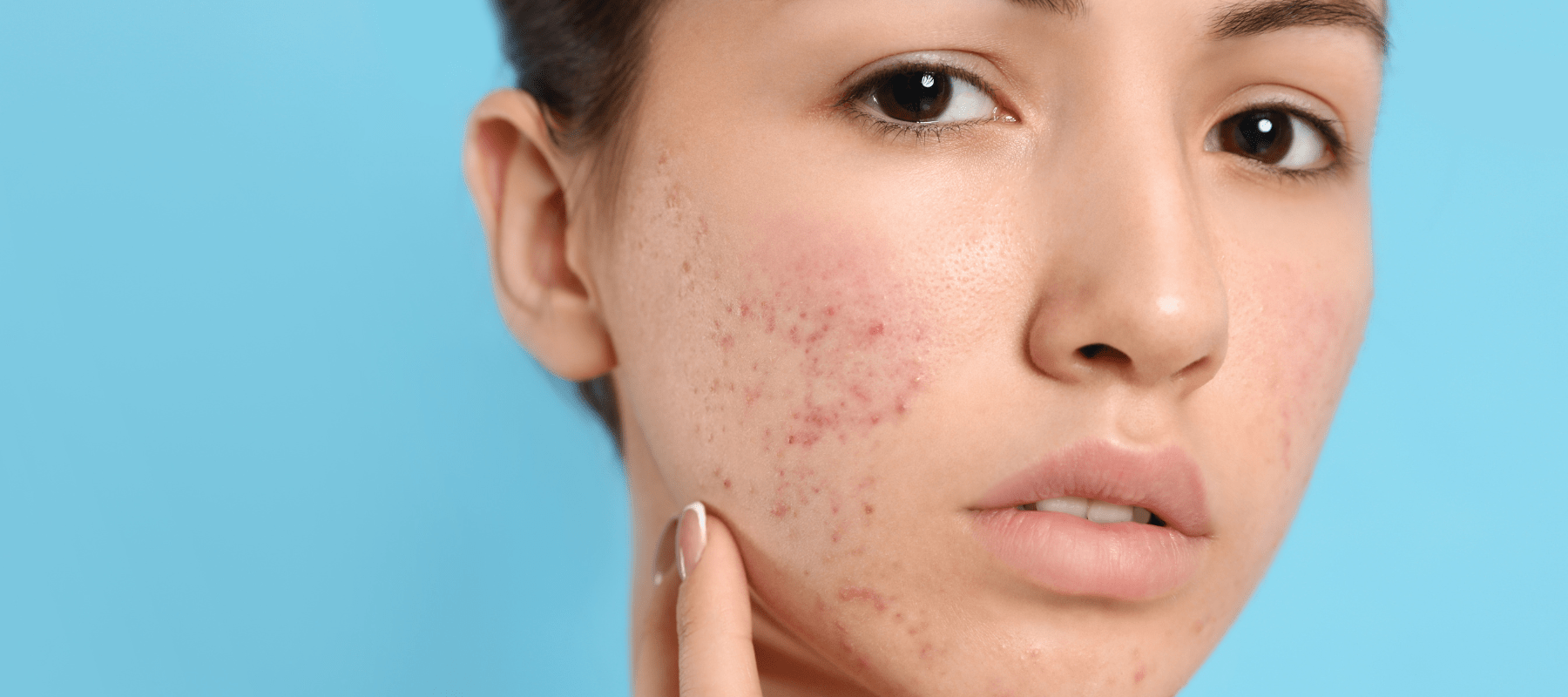
When pores become blocked, acne can develop. Warmer skin also creates an ideal environment for acne causing bacteria to multiply. These bacteria trigger inflammation that results in pimples, redness, and swelling.
Common factors that increase skin temperature include:
• Hot weather conditions
• Intense physical activity
• Emotional stress
• Heavy skincare or makeup layers
• Poor ventilation indoors
When these triggers occur frequently, acne may become more persistent.
The Role of Sweat in Acne Formation
Sweat itself does not cause acne, but it can contribute to breakouts when combined with oil and bacteria. Sweat glands become more active when body temperature rises.
Sweat can mix with:
• Sebum
• Dead skin cells
• Environmental pollutants
This mixture can settle inside pores, leading to congestion. If the skin is not properly cleansed afterward, bacteria may multiply within the blocked pores.
This is why cleansing the skin after sweating or exercise is an important part of acne prevention.
Skin Inflammation and Heat
Heat exposure can increase inflammatory responses within the skin. Inflammation is one of the key factors that causes acne lesions to become red, swollen, and painful.
Several processes occur when skin temperature rises:
• Increased blood circulation
• Activation of inflammatory mediators
• Greater sensitivity of nerve endings
These reactions may make existing acne appear more severe. Inflamed skin may also take longer to heal, especially when irritation continues.
Cooling the skin and maintaining a balanced skincare routine can help control these inflammatory responses.
Scientific Evidence Linking Temperature and Sebum Production
Dermatological studies have examined how skin temperature affects oil production. Research published by the National Center for Biotechnology Information indicates that sebum secretion increases when skin temperature rises.
The study suggests that each increase in skin temperature may stimulate sebaceous gland activity. This finding explains why acne often becomes worse during hot weather or after activities that raise body temperature.
Understanding this relationship allows individuals to adjust their skincare habits based on environmental conditions.
Environmental Conditions That Affect Skin Temperature
Many everyday situations influence the temperature of the skin without people realizing it. Modern lifestyles often expose skin to heat for extended periods.
Common contributors include:
• Prolonged screen exposure
• Indoor heating systems
• Tight or occlusive clothing
• Protective face masks
• Urban pollution and heat
Even sleeping in warm environments can raise skin temperature overnight. This may increase oil production during sleep, contributing to morning breakouts.
Managing environmental heat exposure can reduce stress on the skin.
The Importance of Maintaining Skin Balance
Balanced skincare helps the skin adapt to temperature fluctuations. Over cleansing or using harsh products may damage the skin barrier, making it more vulnerable to inflammation.
A balanced skincare routine usually includes:
• Gentle cleansing
• Lightweight hydration
• Targeted acne treatments
• Consistent sun protection
The goal is to remove impurities without stripping the skin of essential moisture.
Maintaining balance helps the skin regulate oil production naturally.
Lifestyle Factors That Influence Skin Temperature
Daily habits can either increase or stabilize skin temperature. Certain lifestyle choices may unknowingly contribute to acne flare ups.
Factors that may raise skin temperature include:
• Spicy foods
• Alcohol consumption
• High stress levels
• Lack of sleep
• Intense physical exertion without proper skincare afterward
Adopting healthier habits can help regulate internal body temperature and support clearer skin.
Regular hydration and proper rest also help maintain stable skin conditions.
Conclusion
Skin temperature is an often overlooked factor in acne development. When the skin becomes warmer, oil production increases and bacteria thrive more easily. These conditions create an environment where clogged pores and inflammation can occur.
Understanding the role of temperature helps individuals make smarter decisions about skincare routines, lifestyle habits, and environmental exposure. Gentle cleansing, hydration, and barrier protection all support the skin's ability to maintain balance despite changing conditions.
When breakouts appear, targeted solutions such as acne spot corrector gel can help address individual blemishes while allowing the surrounding skin to heal naturally.
CTA
Take control of your skincare routine with science backed solutions designed to support healthy, balanced skin. Explore effective acne care products and skincare essentials at World of California .
FAQs
1. Does hot weather cause acne?
Hot weather can increase oil production and sweat, which may contribute to clogged pores and acne breakouts.
2. Why does my skin break out after exercising?
Exercise raises body temperature and sweat levels. If sweat and oil remain on the skin, pores may become blocked.
3. Can cooling the skin help reduce acne?
Cooling the skin may reduce inflammation and help control oil production, which can support acne management.
4. Does indoor heating affect skin health?
Yes. Heated indoor environments can raise skin temperature and dry out the skin barrier, leading to irritation.
5. How can I prevent heat related breakouts?
Maintaining a gentle cleansing routine, staying hydrated, and avoiding excessive heat exposure can help reduce acne triggers.


























Sign in to leave a comment.