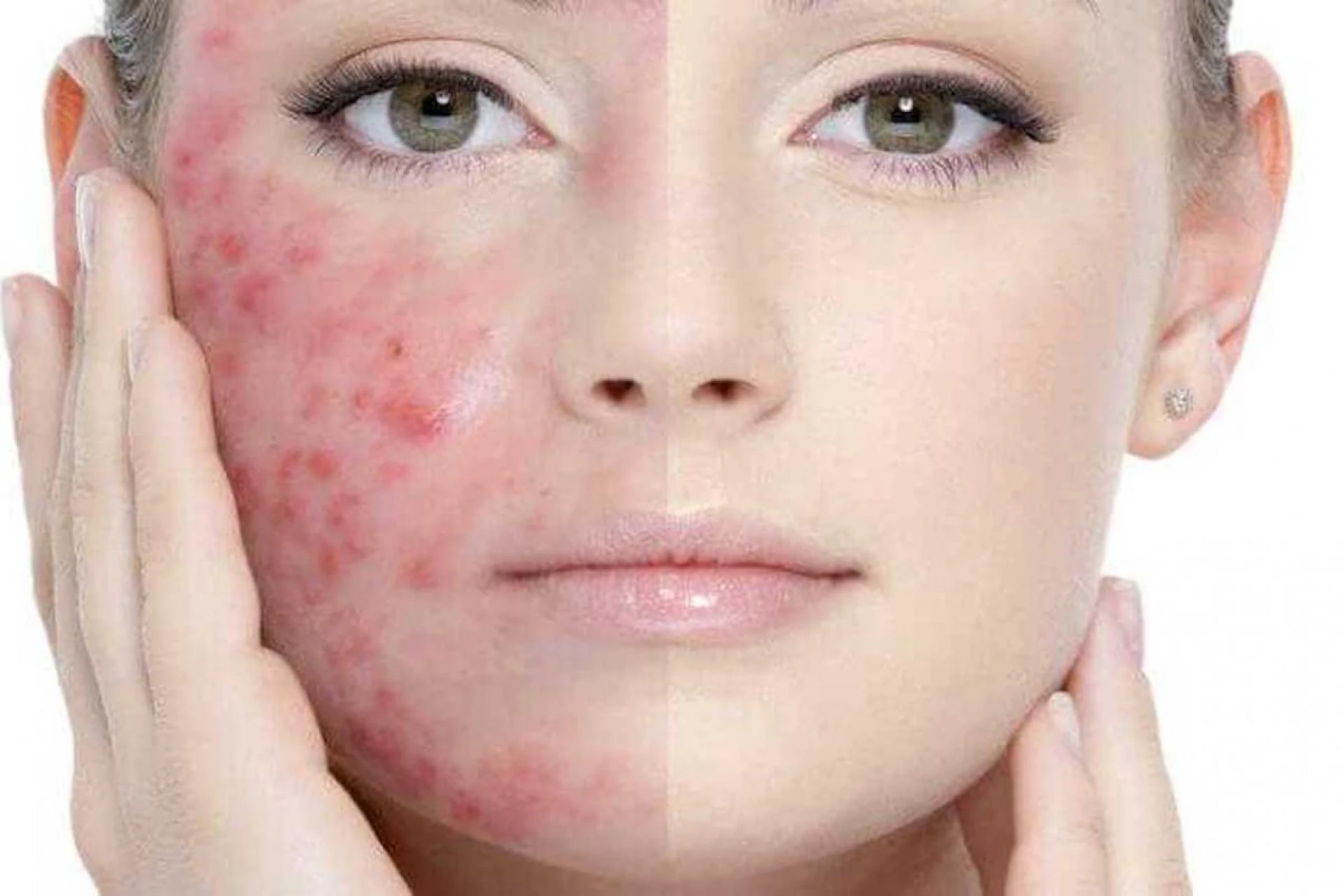

Acne is often associated with teenage years, but millions of adults continue to experience breakouts long after adolescence. In fact, adult acne has become one of the most commonly reported dermatological concerns worldwide. Unlike teenage acne, which is primarily linked to puberty and increased oil production, adult acne tends to be influenced by a combination of hormonal fluctuations, lifestyle factors, stress, and skin barrier health.
Many people assume that adult acne should be treated the same way as teenage breakouts, but this approach often leads to frustration. Adult skin typically requires gentler, more balanced care that focuses on inflammation control and hydration. Dermatologists often recommend supportive treatments like a niacinamide serum for oily skin because it helps regulate sebum production while calming inflammation and strengthening the skin barrier.
Understanding why adult acne behaves differently can help people choose skincare strategies that actually work for their skin type and age.
What Makes Adult Acne Unique
Teenage acne is primarily driven by hormonal changes during puberty. During this stage, the body produces higher levels of androgens, which stimulate the sebaceous glands to produce more oil.
Adult acne, however, is more complex. It is influenced by several factors working together rather than a single trigger.
Common causes of adult acne include:
• Hormonal fluctuations
• Chronic stress
• Skincare product buildup
• Environmental pollution
• Poor skin barrier health
Because these triggers differ from teenage acne, treatment approaches must also evolve.
Hormonal Fluctuations and Adult Breakouts
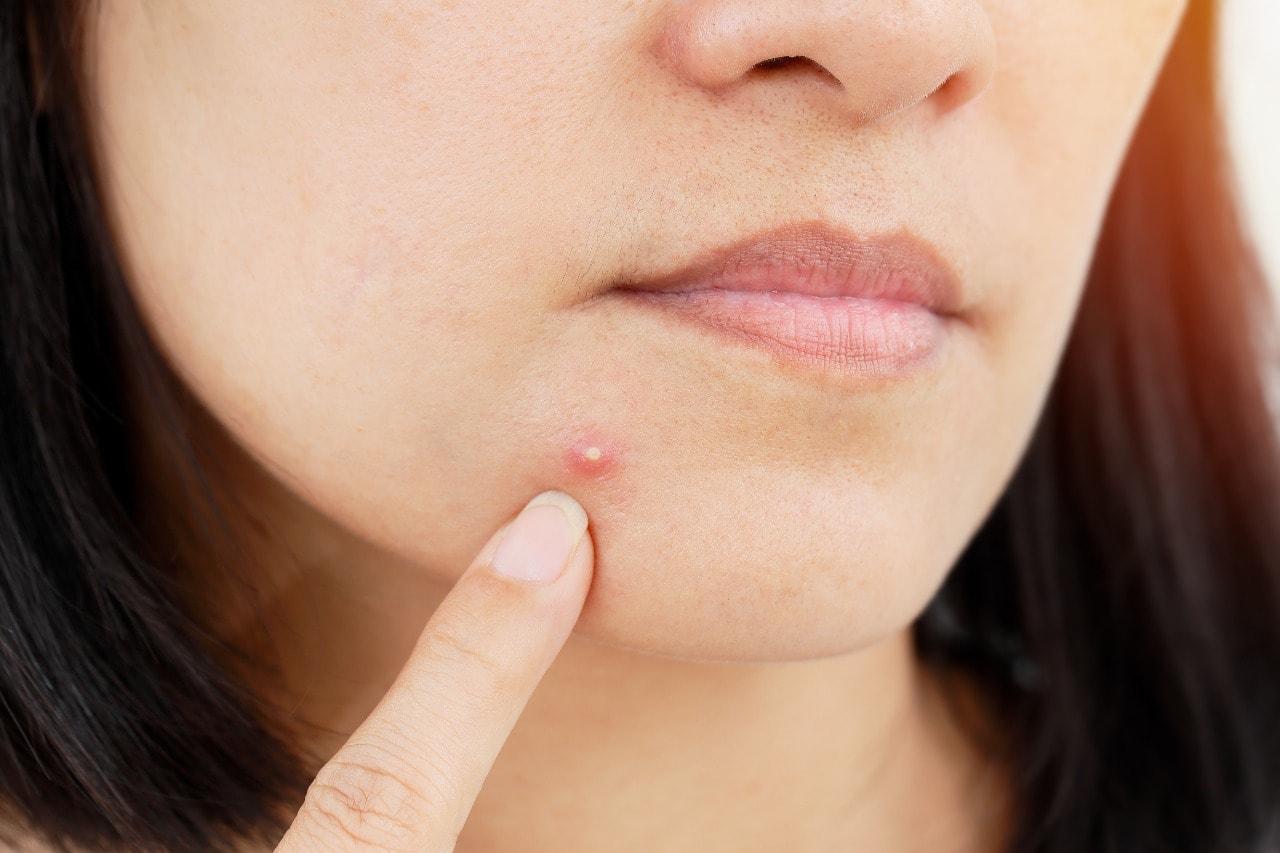
Hormones continue to influence skin health well into adulthood. For many people, hormonal changes linked to menstrual cycles, pregnancy, menopause, or stress can cause recurring breakouts.
Hormonal acne typically appears in specific areas of the face, including:
• The jawline
• The chin
• The lower cheeks
• The neck
These breakouts are often deeper and more painful than teenage acne because they develop further beneath the surface of the skin.
Managing hormonal acne requires a combination of skincare support and lifestyle adjustments that help reduce inflammation and stabilize oil production.
Stress and Its Impact on Acne
Stress is another major contributor to adult acne. When the body experiences stress, it releases cortisol, a hormone that increases oil production and inflammation in the skin.
This increased oil production can clog pores and create an environment where acne-causing bacteria thrive.
Additionally, stress may lead to behaviors that worsen acne, such as:
• Touching or picking the skin
• Skipping skincare routines
• Sleeping poorly
• Eating more processed foods
Reducing stress through sleep, exercise, and mindfulness can have a surprisingly positive impact on skin health.
Why Adult Skin Needs More Hydration
One of the biggest mistakes people make when treating adult acne is using overly harsh products. Adult skin tends to be more sensitive and prone to dryness than teenage skin.
When the skin barrier becomes damaged due to aggressive treatments, several problems can occur:
• Increased irritation
• Slower healing of breakouts
• Greater sensitivity to skincare ingredients
• Higher risk of post-acne marks
Hydration plays a crucial role in maintaining the skin barrier and preventing these issues. Balanced skincare routines that include gentle cleansing, targeted treatment, and moisturizing products are essential for maintaining skin stability.
Lifestyle Habits That Trigger Adult Acne
Modern lifestyles introduce many factors that can contribute to breakouts.
Some common triggers include:
• Pollution exposure in urban environments
• Long hours wearing makeup
• Digital device contact with the skin
• Poor sleep quality
• High sugar or processed food intake
These everyday factors can disrupt the skin barrier and increase inflammation, making acne more persistent.
Maintaining a consistent skincare routine helps protect the skin against these daily stressors.
Scientific Insight into Adult Acne
Research shows that adult acne is more common than many people realize.
According to the American Academy of Dermatology, acne affects up to 15 percent of adult women, making it one of the most common skin conditions in adulthood.
This statistic highlights why dermatologists increasingly focus on treatments that support long-term skin health rather than quick fixes.
Adult acne requires consistent care and patience, as the skin’s renewal process takes time.
Building a Skincare Routine for Adult Acne
A well-balanced skincare routine helps manage adult acne by addressing multiple causes simultaneously.
A typical routine may include:
Gentle cleansing
Removes impurities without damaging the skin barrier.
Targeted treatment
Helps reduce inflammation and control active breakouts.
Barrier support
Maintains hydration and strengthens the protective layer of the skin.
Preventive care
Protects the skin from environmental stressors that trigger acne.
When these steps are followed consistently, the skin gradually becomes more stable and less prone to breakouts.
Why Picking Pimples Makes Adult Acne Worse
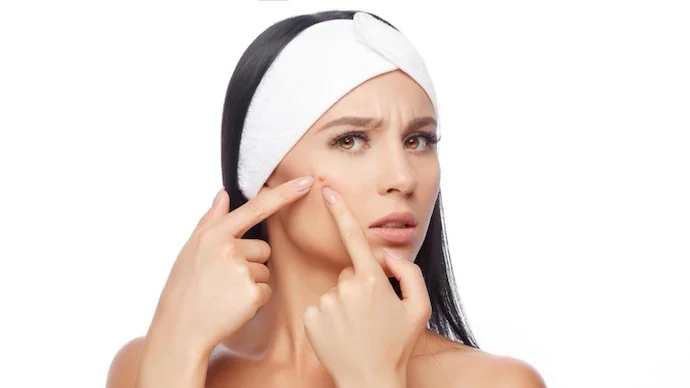
Another challenge many adults face is the temptation to pick or squeeze pimples. While this may seem like a quick solution, it can cause additional inflammation and push bacteria deeper into the skin.
Picking pimples often leads to:
• Prolonged healing time
• Increased redness and swelling
• Higher risk of acne scars
• Dark spots or post-inflammatory hyperpigmentation
Protective solutions that cover pimples can help prevent this habit while allowing the skin to heal naturally.
Conclusion
Adult acne is fundamentally different from teenage acne. Instead of being driven primarily by puberty-related hormones, adult breakouts are influenced by a combination of hormonal fluctuations, stress, lifestyle factors, and skin barrier health.
Managing adult acne requires a balanced skincare routine that supports the skin rather than aggressively stripping it. Gentle cleansing, targeted treatment, hydration, and barrier repair all play important roles in maintaining healthy skin.
Protective solutions like transparent pimple patches can also help manage breakouts by shielding them from bacteria and preventing the urge to pick at the skin.
By understanding the unique causes of adult acne, individuals can develop skincare routines that promote clearer, healthier skin over time.
Call To Action
If you are looking for skincare solutions designed to support acne-prone skin at every stage of life, explore the carefully developed formulations from World of California. Their skincare approach focuses on balancing cleansing, treatment, and hydration to help support healthier skin every day.
FAQs
1. Why does acne continue into adulthood?
Adult acne can result from hormonal fluctuations, stress, lifestyle habits, and skin barrier damage.
2. Is adult acne treated differently than teenage acne?
Yes. Adult skin often requires gentler treatments that focus on hydration and inflammation control rather than aggressive oil removal.
3. Can stress really cause acne?
Yes. Stress increases cortisol levels, which can stimulate oil production and trigger breakouts.
4. Why is moisturizing important for adult acne?
Moisturizing helps protect the skin barrier, which reduces irritation and prevents excess oil production.
5. How long does it take to see improvement in adult acne?
Most skincare routines require four to eight weeks to show noticeable improvements as the skin completes its natural renewal cycle.


























Sign in to leave a comment.