
In a mine site where mining is in progress, teams are required to lift heavy vehicles, replace oversized tyres, and operate under heavy loads. Most safety incidents do not occur because of visible damage. They begin with minute internal damage that progresses silently with time. These internal stress points remain hidden until equipment fails, mostly during critical lifting and tyre change activities.
- Small Parts Can Cause Big Problems
Most safety inspections focus on what the eyes can see. But some of the most dangerous hazards are found in parts that look safe on the surface. A typical example of this is the Tyre Valve. The internal seals of the system face permanent damage from movement, temperature changes, and dust accumulation. The valve stem appears undamaged but allows air to escape through a gradual leak.
This steady loss of pressure increases tyre flex and temperature as it operates. The tyre material experiences degradation with time because its failure signs remain hidden. The servicing process requires valve replacement to protect against unknown risks that could lead to expensive accidents.
- Internal Stress in High-Capacity Jacks
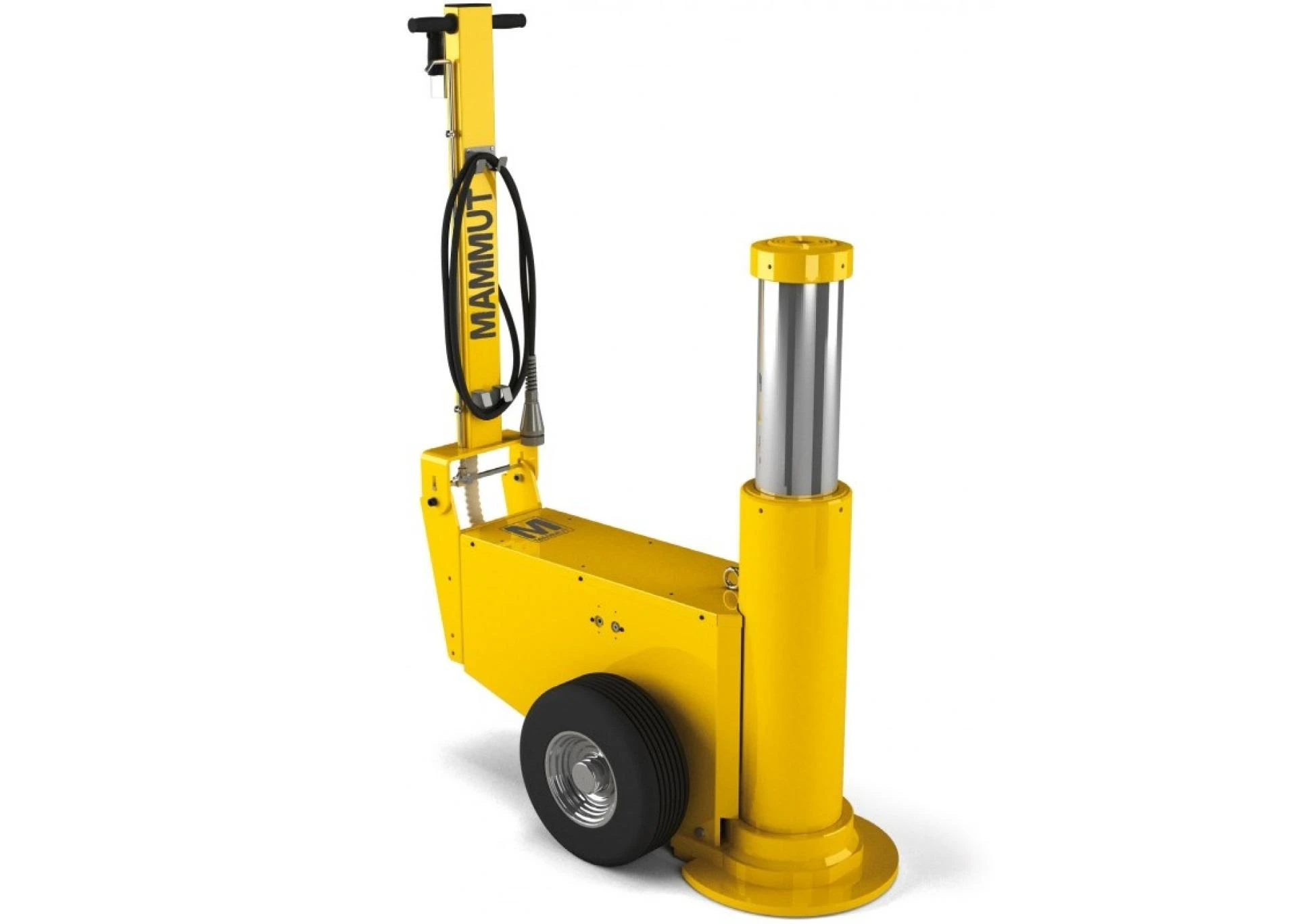
Lifting systems encounter enormous forces daily. Mining Jacks focus on extreme loads during tyre changes and maintenance. Inside these, jacks, seals, pistons, and hydraulic systems experience repeated stress with each lift. Contamination from oil, seal wear, and internal degradation cumulatively affect lifting capacity.
These problems are difficult to identify during regular maintenance checks. A jack can still function but release pressure unevenly or fail completely without warning. This is especially true for equipment beyond its service life. Westate Mining Supplies offers mining-specific jacks to help teams use equipment built for heavy and frequent lifting.
- Why Jack Stands Frequently Fail Without Notice
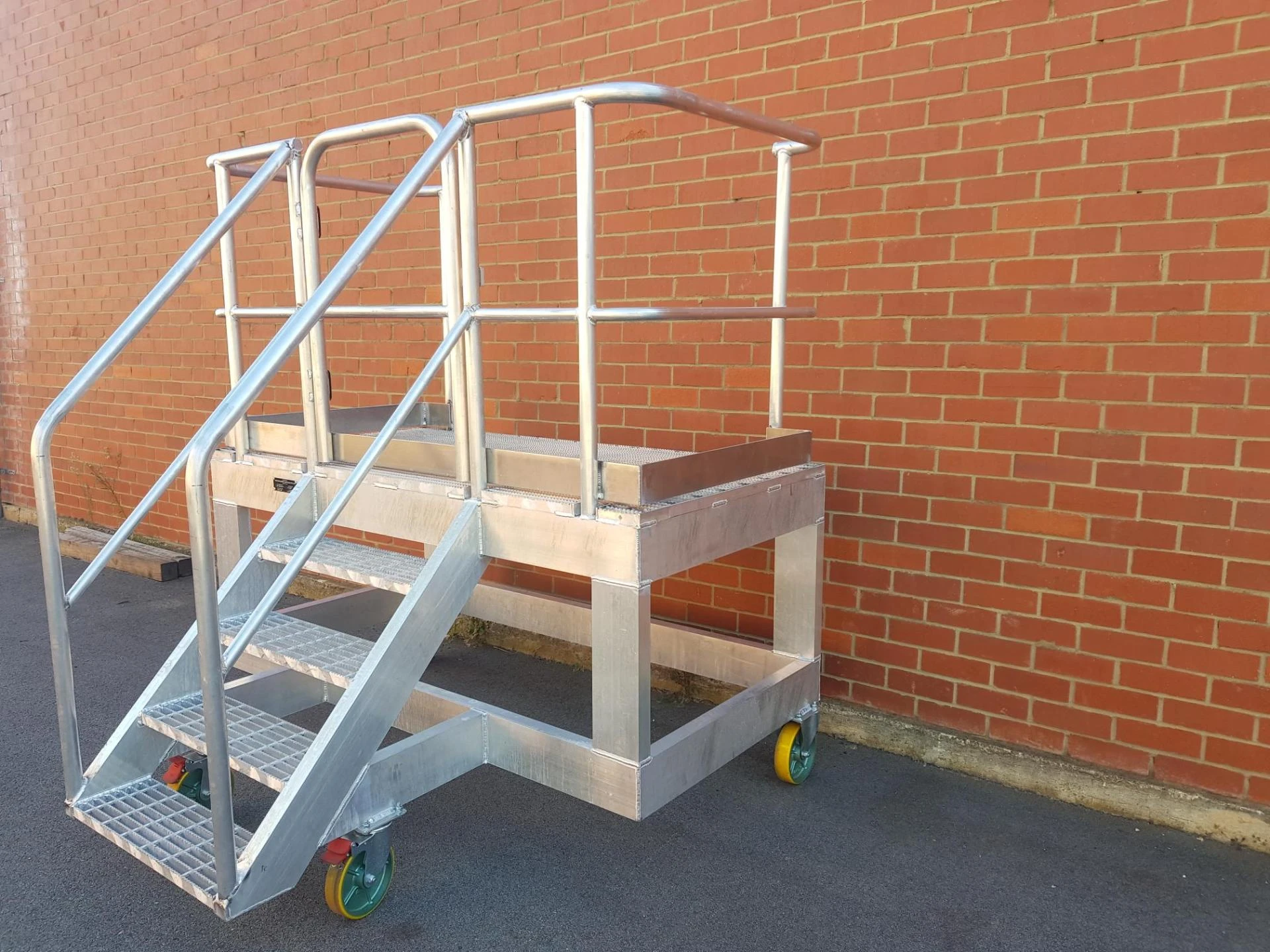
Jack stands are the last line of support during maintenance. They protect personnel after the lifting is complete. Heavy Duty Truck Jack Stands typically fail from fatigue rather than a sudden event. The system experiences stress accumulation at its welds, locking pins, and load-bearing points because of its continuous operation.
Paint and joint areas create obstacles that prevent easy detection of cracks in hidden locations. A stand can appear sound until its strength fails. Using stands rated for mining loads and removing them from service on schedule greatly reduces this risk.
- Warning Signs Teams Often Miss
Hidden stress points always provide warning signs before they happen. Teams that understand what to look for can take steps before failures happen. Warning signs include:
- Leakage of air during tyre inflation.
- Unbalanced lifting or slow jack reaction.
- Changes in hydraulic fluid colour or viscosity.
- Small cracks near welds or locking pins.
Missing these signs puts teams at risk during routine work.
- Smarter Maintenance Reduces Risk
Modern maintenance practices emphasise prevention over response. Many mines now monitor service hours rather than just appearance. Regular inspections, oil checks, and parts replacement minimise unexpected failures.
Selecting Mining Jacks that are built for real site loads is also important. Under-rated equipment stresses beyond design specifications. Westate Mining Supplies provides mining teams with lifting and wheel service designed for tough mining environments.
Final Thoughts
Mining operations become safer when workers understand the dangerous elements that exist in their work environment. The safety of personnel and equipment requires constant replacement of valves, maintenance work for jacks, and proper disposal of old stands.
Westate Mining Supplies provides long-lasting lifting equipment and wheel service products that help in mining operations under extreme pressure. Mining operations begin with the identification of hidden stress points to ensure a safe working environment.





















Sign in to leave a comment.