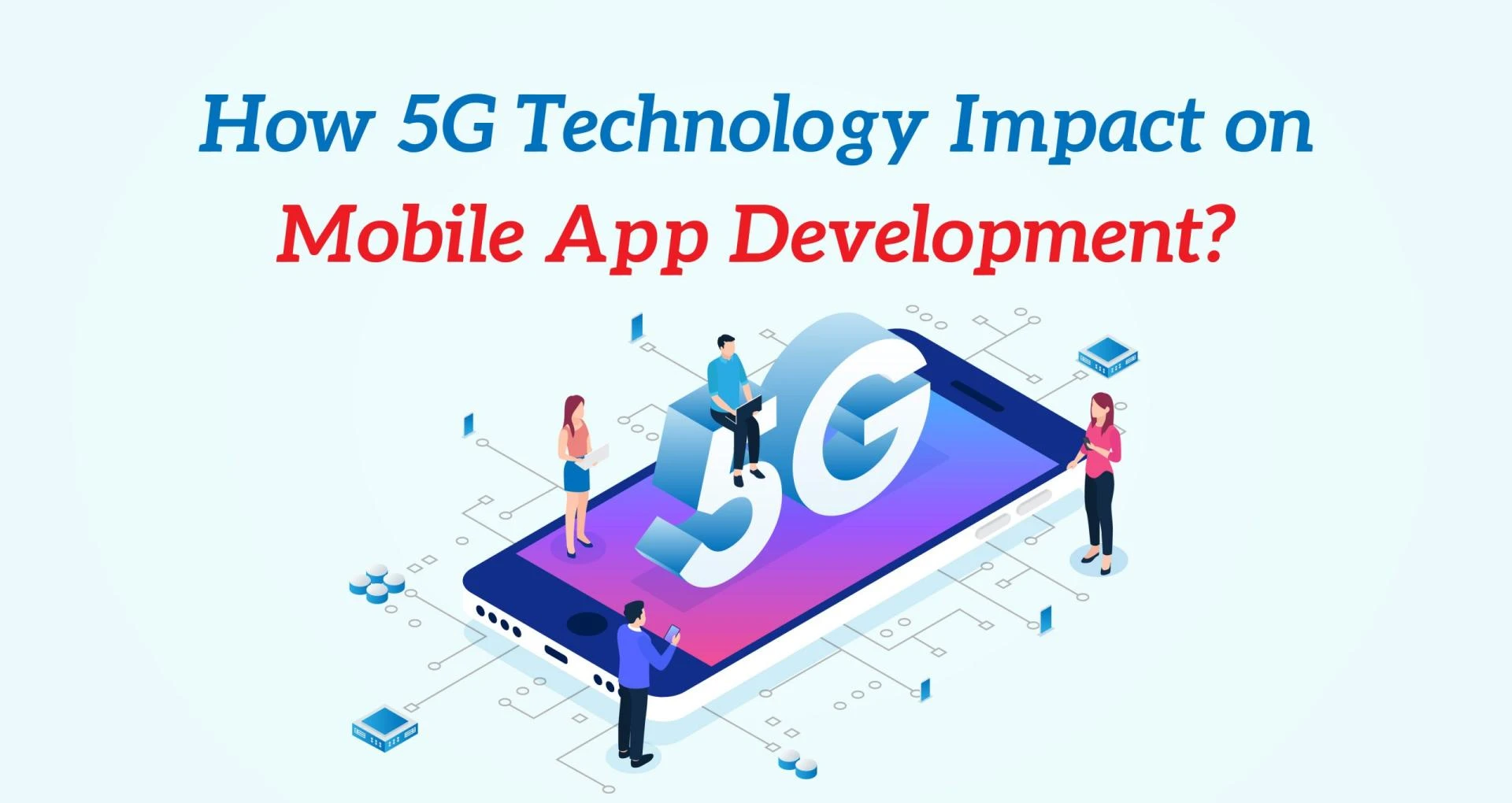

The arrival of 5G promises to radically transform mobile application development company in USA, not only in terms of innovation and possibilities but also through concrete data and figures. This article delves into the numbers behind 5G, its cost differences, connection speed examples, and how these improvements bring real value to the world of mobile development.
Speeds and Latencies: Specific Data
5G is not only an incremental improvement over its predecessor; It is a revolution in connection speed. While 4G can offer average download speeds of around 20-30 Mbps, 5G is projected to reach speeds of up to 10 Gbps. This means that what previously took minutes to download under 4G, such as a high-definition movie, can now be completed in seconds.
In terms of latency, 5G reduces this response time to just 1 millisecond (ms), compared to 50 ms for 4G. This improvement is not only crucial for applications that require real-time responses, such as online games and autonomous vehicles, but also for the development of new applications that were previously impossible to imagine without this technology.
Differences in Costs
The deployment of 5G comes with significant challenges in terms of infrastructure and associated costs. Installing new antennas and upgrading existing ones to support 5G require considerable investments from operators. However, in the long term, 5G promises to reduce operating costs thanks to its greater efficiency and ability to handle higher volumes of data at faster speeds.
For consumers, the initial cost of 5G devices may be higher compared to 4G devices. However, as the technology becomes more widespread and production volumes increase, prices are expected to stabilize, offering greater value for investment thanks to improvements in speed and performance.
Connection Speed Example
Let's imagine downloading a 2-hour movie, which on average can have a size of 3 GB. Under a 4G network, this download could take approximately 20 minutes, depending on network congestion and other factors. In contrast, under a 5G connection, the same file could be downloaded in just 35 seconds, revolutionizing the user experience and opening up new opportunities for streaming content in high definition and without interruptions.
If it's so good, why don't we have 5G yet?
Despite the revolutionary promises of 5G technology, its global deployment still faces several significant challenges. One of the main obstacles is the need for completely new infrastructure. Unlike 4G, which could use much of the existing infrastructure, 5G requires the installation of a large number of small cells and antennas due to its high frequency and shorter range. This network density is not only costly but also involves complexities in terms of urban planning and regulatory approvals.
Another challenge is the initial investment required by both telecommunications operators and consumers. Operators must invest significantly in upgrading their networks to support 5G, while consumers need to purchase new 5G-compatible devices, the cost of which can be high initially. Furthermore, geographic coverage is still limited, concentrating mainly in urban areas and leaving rural and remote areas waiting for this technology.
The transition to 5G also raises security and privacy concerns that must be addressed, given the greater amount of data transmitted and the integration of a wider range of services and devices on the network. All of these factors contribute to a gradual adoption of 5G, as technical, financial and regulatory challenges are overcome. Although the implementation process is underway, achieving global coverage and mass adoption will take time, effort and collaboration between multiple stakeholders.
Conclusion
5G is poised to take mobile application development services to new horizons, delivering tangible improvements in speed, latency and capacity. Although the initial costs of implementation and adoption may be high, the long-term benefits in terms of efficiency, improved user experiences, and new development possibilities justify the investment. As we move towards a more connected era, 5G is established as the foundation on which the mobile innovations of the future will be built.
























Sign in to leave a comment.