
Introduction
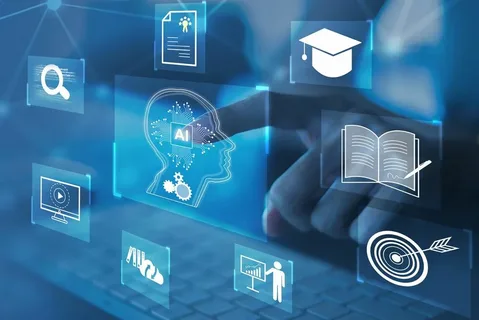
Education has always been a cornerstone of societal development, shaping the future of individuals and communities. In recent years, technological advancements have significantly changed how knowledge is delivered and consumed. Among these innovations, artificial intelligence has emerged as a powerful force that is reshaping the educational landscape. From personalized learning experiences to automated administrative tasks, AI is transforming traditional methods of teaching and learning.
The integration of AI in education is creating new opportunities for students, teachers, and institutions. It allows for smarter systems that can adapt to individual learning needs and provide real-time feedback. As a result, education is becoming more accessible, efficient, and engaging. This transformation is not only improving academic outcomes but also preparing students for a future driven by technology and innovation.
Personalized Learning Experiences
One of the most significant impacts of artificial intelligence in education is the ability to deliver personalized learning experiences. Every student has a unique learning style, pace, and set of strengths and weaknesses. Traditional classroom settings often struggle to address these differences effectively. However, AI-powered systems can analyze student performance and tailor educational content to meet individual needs.
With AI in education, students can receive customized lessons, practice exercises, and feedback based on their progress. This ensures that learners can focus on areas where they need improvement while advancing at their own pace. Teachers also benefit from these insights, as they can better understand student performance and provide targeted support. Personalized learning not only enhances understanding but also increases student engagement and motivation, making the learning process more effective and enjoyable.
Enhancing Teaching Methods
Artificial intelligence is not only transforming the way students learn but also how teachers deliver instruction. AI tools can assist educators in creating more interactive and dynamic lessons by providing access to a wide range of digital resources and teaching aids. These tools can analyze classroom data and suggest effective teaching strategies, helping educators improve their methods.
The use of AI in education also reduces the administrative burden on teachers. Tasks such as grading assignments, tracking attendance, and managing records can be automated, allowing teachers to focus more on teaching and student interaction. Additionally, AI-powered virtual assistants can help answer student queries outside of classroom hours, ensuring continuous learning support. By enhancing teaching methods and reducing workload, AI is empowering educators to deliver higher-quality education.
Improving Accessibility and Inclusion
One of the most promising aspects of artificial intelligence in education is its ability to improve accessibility and promote inclusive learning environments. Students from different backgrounds and with varying abilities can benefit from AI-powered tools that cater to their specific needs. For example, speech recognition, text-to-speech, and language translation technologies make learning more accessible to students with disabilities or language barriers.
With the integration of AI in education, learning is no longer confined to physical classrooms. Online platforms and virtual learning environments allow students to access educational content from anywhere in the world. This is particularly beneficial for individuals in remote or underserved areas. By breaking down barriers and providing equal learning opportunities, AI is helping create a more inclusive and equitable education system for all.
The Future of AI in Education
As technology continues to evolve, the role of artificial intelligence in education will become even more significant. Future developments may include more advanced adaptive learning systems, immersive virtual reality classrooms, and intelligent tutoring systems that can provide real-time guidance. These innovations will further enhance the learning experience and make education more interactive and engaging.
The continued growth of AI in education will also require careful consideration of ethical and privacy concerns. Institutions must ensure that student data is protected and that AI systems are used responsibly. Despite these challenges, the potential benefits of AI in education are immense. By embracing these technologies, educators and institutions can create a future where learning is more personalized, accessible, and effective, ultimately preparing students for success in a rapidly changing world.



























Sign in to leave a comment.