
Fast fashion has revolutionized the clothing and footwear market, offering trendy styles at rock-bottom prices.
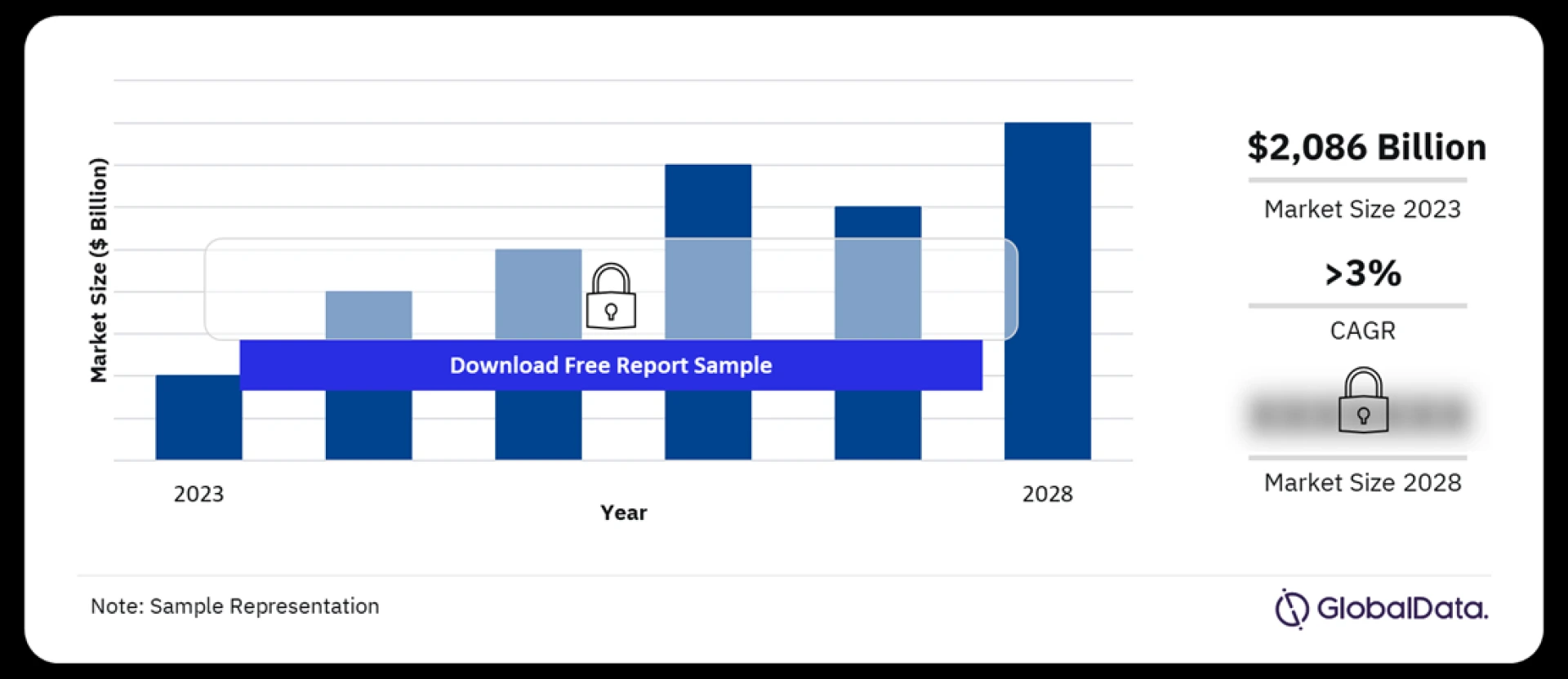
Buy the Full Report for More Insights on the Clothing & Footwear Market Forecast
Download a Free Sample Report
However, its impact is a double-edged sword, presenting both significant advantages and alarming consequences.
Revolutionizing Accessibility and Affordability
Fast fashion's core strength lies in its ability to:
Democratize Fashion: Previously, trendy clothing was reserved for the wealthy. Fast fashion allows consumers of all income levels to keep up with the latest trends without breaking the bank.Drive Innovation and Design: Fast fashion's rapid design cycles push the boundaries of style and affordability, constantly introducing new trends and designs to the market.Cater to a Wider Audience: The sheer variety of styles and sizes offered by fast-fashion retailers caters to a diverse customer base, ensuring wider accessibility and inclusivity.The Dark Side: Environmental and Social Costs
While fast fashion offers undeniable advantages, its environmental and social costs raise serious concerns:
Environmental Degradation: Fast fashion relies on cheap, synthetic materials and high production volumes, leading to significant textile waste and pollution. This impacts water resources, land use, and greenhouse gas emissions.Exploitation of Labor: The pressure to maintain low prices often translates to unfair labor practices in developing countries, with garment workers facing low wages, unsafe working conditions, and long hours.Disposable Culture: Fast fashion's emphasis on low prices and fleeting trends encourages a culture of disposability, leading to excessive clothing waste and a disregard for quality and longevity.Market Response and Shifting Consumer Preferences
The negative aspects of fast fashion are not going unnoticed. Consumers are becoming increasingly aware of the industry's environmental and social impact, leading to a shift in preferences:
Rise of Sustainable Brands: A growing number of brands are focusing on sustainable materials, ethical production practices, and transparency in their supply chains.Second-Hand Market Boom: Resale platforms and vintage clothing stores are experiencing a surge in popularity as consumers embrace more sustainable and affordable clothing options.Demand for Transparency and Ethics: Consumers are demanding greater transparency from brands regarding their sourcing and manufacturing practices.The Future of Fashion: Balancing Affordability and Sustainability
Fast fashion is likely to remain a significant player in the clothing and footwear market. However, the future is likely to see a more balanced approach:
Technological Advancements: Innovations in sustainable materials and production processes can help reduce fast fashion's environmental footprint.Increased Consumer Awareness: Educating consumers about the true cost of cheap clothing and promoting sustainable alternatives are crucial for long-term change.Industry Collaboration: Collaboration between brands, policymakers, and NGOs can drive sustainable practices and ethical production throughout the supply chain.Conclusion
Fast fashion's impact on the clothing and footwear market is undeniable. While it offers undeniable benefits in affordability and accessibility, its environmental and social costs cannot be ignored. The future lies in finding a balance between affordability, style, and sustainability. By embracing innovation, ethical practices, and consumer awareness, the industry can navigate a more responsible path towards a future of fashion that doesn't cost the Earth.



























Sign in to leave a comment.