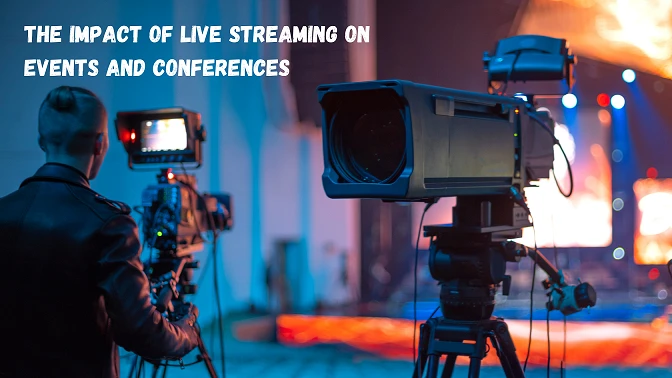

In recent years, the landscape of events and conferences has undergone a significant transformation, largely due to the advent of live streaming technology. Gone are the days when attendance was limited to those physically present at the venue; now, with the click of a button, individuals from all corners of the globe can participate in and engage with events in real-time. This paradigm shift has had profound implications for both organizers and participants alike, ushering in a new era of accessibility, engagement, and reach.
Accessibility is perhaps one of the most notable benefits of live streaming technology. No longer constrained by geographical limitations or logistical constraints, individuals can now attend events and conferences from the comfort of their own homes or offices. This democratization of access ensures that knowledge and insights shared at these gatherings are no longer confined to a select few, but rather disseminated widely to a global audience. Moreover, live streaming allows for greater inclusivity, enabling individuals with disabilities or mobility restrictions to participate in events that they may otherwise be unable to attend.
In addition to widening access, live streaming enhances engagement by providing interactive features that foster real-time communication and interaction. Attendees can ask questions, participate in polls, and engage in discussions with speakers and fellow participants, thus creating a more dynamic and immersive experience. Furthermore, the ability to share content instantly on social media platforms extends the reach of events beyond the immediate audience, amplifying their impact and generating buzz long after the event has concluded.
From the perspective of event organizers, live streaming offers a host of advantages. Firstly, it extends the reach of events, enabling organizers to tap into global audiences and attract participants from diverse backgrounds and locations. This not only enhances the visibility and prestige of the event but also increases the potential for networking and collaboration among attendees. Moreover, live streaming can serve as a valuable revenue stream, as organizers can offer virtual tickets or access passes to individuals unable to attend in person.
However, while the benefits of live streaming are undeniable, it is not without its challenges. Technical issues such as poor internet connectivity or equipment failure can disrupt the streaming experience, leading to frustration and disengagement among participants. Furthermore, ensuring the security and privacy of sensitive information shared during live streams is paramount, particularly in the age of data breaches and cyber threats.
In conclusion, live streaming technology, facilitated by innovative live streaming video production companies, has revolutionized the landscape of events and conferences, offering unprecedented levels of accessibility, engagement, and reach. These companies play a crucial role in ensuring seamless streaming experiences, providing expertise in video production, technical support, and creative solutions. By breaking down geographical barriers and fostering real-time interaction, live streaming has transformed events into truly global phenomena, enriching the experiences of both organizers and participants alike. While challenges remain, such as technical issues and security concerns, the potential of live streaming to shape the future of events and conferences is undeniable. It promises a more inclusive, interactive, and impactful landscape for years to come, with live streaming video production companies at the forefront of innovation and advancement in this dynamic field.





























Sign in to leave a comment.