
Introduction
The Canon EOS R50 still holds a strong place in the camera market in 2026, even though it is no longer the newest option in Canon’s mirrorless line-up. Newer models have arrived, the conversation has shifted, and buyers now have more choices than they did when this camera first launched. Even so, the canon r50 continues to show up in searches, comparison posts, and buying guides for a very simple reason: it still makes sense for a lot of people. It remains one of the easiest cameras to recommend to beginners, casual creators, and anyone moving up from a phone who wants a proper camera without walking straight into complexity.
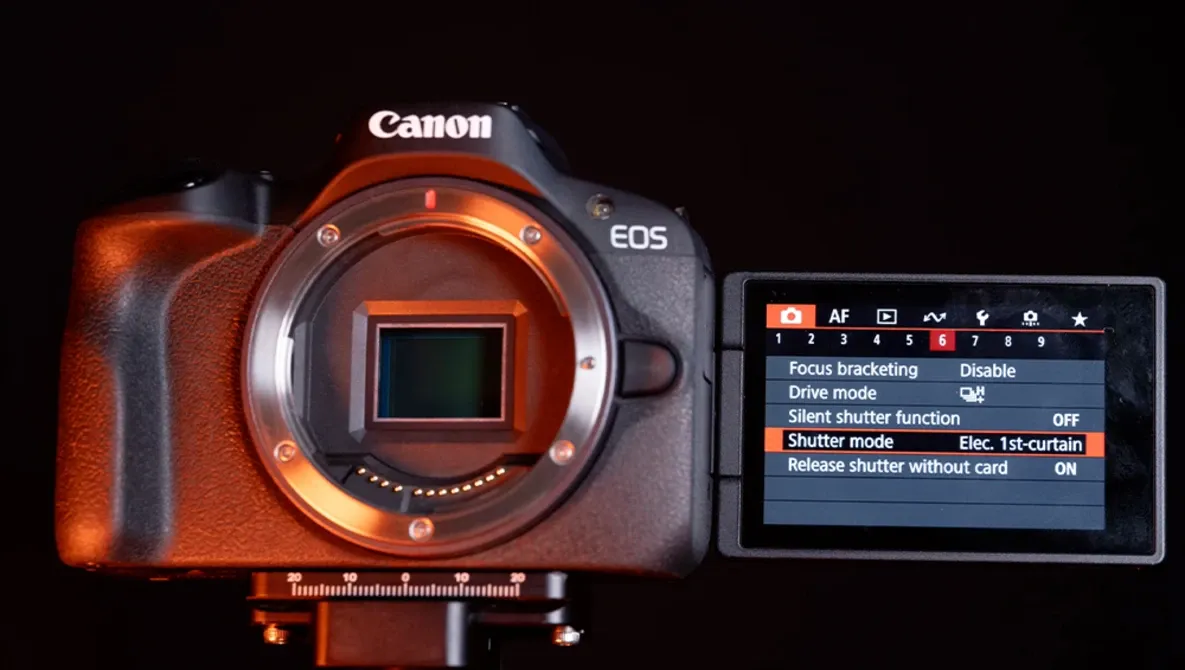
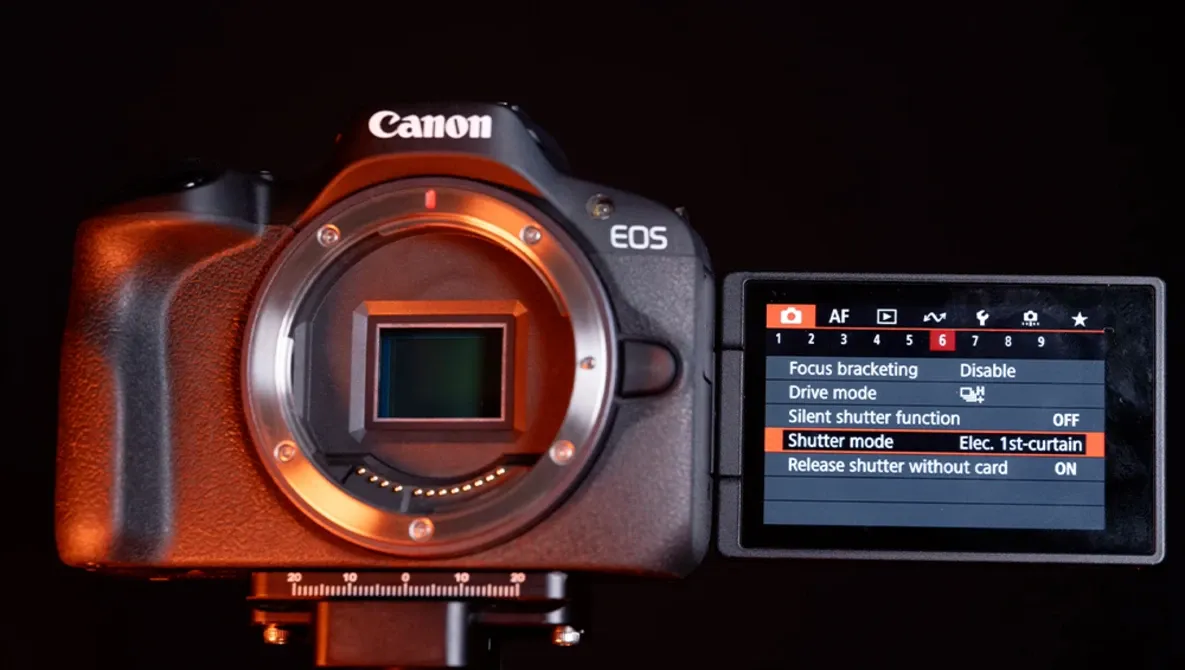
That is really the key to understanding why the EOS R50 still matters. This camera was never built to impress people who only shop by spec sheet. It was built for people who want clean image quality, reliable autofocus, simple handling, and video features that are good enough for real-world content. It combines a 24.2MP APS-C sensor, Canon’s DIGIC X processor, Dual Pixel CMOS AF II, uncropped 4K 30p oversampled from 6K, and a very compact 375g body. Those are not small details. They are the exact reasons the cannon r50 Camera still keeps appearing in buyer conversations years after launch.
The better question in 2026 is not whether the camera is good. The better question is whether it is still the right buy today. That is where things get more interesting. Some newer alternatives may look stronger on paper, especially if your focus is mostly video. But cameras are not chosen on paper alone. They are chosen by how they feel in the hand, how easy they are to use, and whether they fit the way a real person actually shoots. That is why the Canon EOS R50 still deserves a proper look.
Why the Canon EOS R50 Still Matters
A lot of camera reviews treat age like a weakness by default. That sounds logical at first, but it misses how most people actually buy a camera. Most buyers are not chasing the newest release just because it is new. They want a camera that feels approachable, produces files they like, focuses well, and does not make every outing feel like a lesson in frustration. That is exactly where the Canon EOS R50 still earns its place. Canon gave it a small, lightweight body, a fully articulating touchscreen, a built-in electronic viewfinder, and one of the most dependable autofocus systems in its class. Those things are easy to overlook when people rush straight to comparison charts, but they matter every time the camera comes out of the bag.
The value of the canon r50 is not really about beating every rival in every category. It is about solving the most common problems beginners and casual users run into. If someone is worried about missed focus, Canon’s subject detection helps. If someone is nervous about too many buttons and settings, the camera’s layout feels manageable. If someone wants something they will actually carry, the compact body makes a real difference. A camera that feels easy to live with will almost always be used more often than one that looks better on paper but feels like work. That makes the EOS R50 more relevant than many people assume.
There is also the simple fact that not everyone needs a camera that grows into a semi-professional system. Many people just want a camera that can shoot family moments, holidays, daily life, portraits, and content for social platforms without fuss. The cannon r50 Camera still does that very well. It has enough performance to feel modern, but not so much complexity that it becomes intimidating. That balance is a big part of why it continues to get recommended.
Core Specs That Still Hold Up
The EOS R50 still looks well-rounded in 2026 when you focus on what actually matters in day-to-day use. It gives you a 24.2MP APS-C CMOS sensor, DIGIC X image processing, ISO 100–32000 expandable to 51200, Dual Pixel CMOS AF II with 651 autofocus zones, 12fps using electronic first curtain, 15fps with the electronic shutter, 4K UHD up to 29.97fps, and Full HD up to 119.88fps. It also includes Wi-Fi, Bluetooth, USB-C, micro-HDMI, and a microphone input. On top of that, it works with Canon RF and RF-S lenses, while older EF and EF-S lenses can be used with an adapter. For the kind of buyer this camera is made for, that is still a very respectable package.
What keeps these specs relevant is the way they work together. The resolution is enough for detailed photos, prints, travel shots, product images, and portraits without feeling excessive. The processor keeps the camera responsive, so menus, autofocus, and shooting all feel quick enough to avoid annoyance. The burst speeds are more than enough for children, pets, travel moments, and casual action. The 4K video still looks better than many people expect because it is oversampled from 6K and uses the full width of the sensor. That gives footage a cleaner, sharper look than the usual “entry-level” label might suggest.
It is also worth remembering that a lot of people do not need more than this. They do not need huge files, extreme frame rates, or specialist features they may never touch. They need a camera that does the core things well and stays out of their way. The canon r50 still does that, which is why its specs continue to feel balanced rather than outdated. It may not be the newest camera on the shelf, but it still covers the basics in a way that makes sense.
Image Quality: Still Good Enough to Impress
Image quality is still one of the strongest reasons to consider the Canon EOS R50 in 2026. The 24.2MP APS-C sensor produces images that look sharp, detailed, and natural. Canon has always had a strong reputation for colour, and that continues here. Skin tones look pleasing, skies do not feel strange or over-processed, and everyday scenes come out with a look that many people find appealing straight away. That matters because most buyers in this category are not looking to spend hours correcting every photo. They want files that already look good, even before editing begins.
The EOS R50 also makes life easier because its JPEG output is strong. That is important for beginners and casual creators who may not want to rely heavily on RAW editing. Photos straight out of the camera often feel polished enough to share. At the same time, RAW files still give you room to adjust exposure, colour, and detail without falling apart too quickly. That balance works well for people who are learning and want space to grow without being forced into a more demanding workflow.
Low-light performance is better than many people expect from a camera at this level. No, it is not replacing a full-frame body, and no one should pretend otherwise. But that is not really the point. For indoor family photos, evening walks, restaurant shots, and casual event photography, the canon r50 holds up well enough to remain useful. Once you pair it with a better lens than the basic kit option, the results get even more convincing. That is why the cannon r50 Camera still feels capable rather than limited for the audience it is designed for.
Autofocus Is Still a Major Selling Point
If there is one area where the Canon EOS R50 continues to feel especially strong, it is autofocus. Canon’s Dual Pixel CMOS AF II remains one of the main reasons people keep recommending this camera. It can detect and track people, animals, and vehicles, and in real use it simply makes the camera easier to trust. That matters more than many reviews admit. A beginner is far more likely to enjoy photography when the camera helps them get sharp shots consistently instead of punishing them for not being technically experienced yet.
The autofocus is not just helpful on paper. It changes the whole experience of using the camera. Eye detection works well, subject tracking is dependable, and the camera does a good job of keeping up when people or pets are moving around the frame. For family use, portraits, casual street photography, or filming yourself, that kind of consistency goes a long way. It reduces second-guessing, makes the camera feel smarter, and helps people focus on composition instead of fighting the basics.
This is one of the reasons the canon r50 can feel better than some rivals that might look competitive in a feature list. A lot of entry-level cameras offer decent image quality, but not all of them make the shooting experience feel easy. The EOS R50 does. It gives new users confidence, and that confidence often matters more than having one or two extra features they may never fully use. For many buyers, autofocus alone is enough to keep this camera relevant in 2026.
Video: Strong for the Price, but No Longer Untouchable
The EOS R50 still offers solid video for the price, and that remains one of its biggest strengths. It records uncropped 4K 30p oversampled from 6K, which gives footage a detailed and polished look. It also offers Full HD 120p for slow motion, a microphone input for better audio, and a fully articulating screen that makes self-recording much easier. For YouTube videos, travel clips, talking-head content, and everyday creator use, the canon r50 still makes a strong case for itself.
That said, 2026 makes its limits easier to notice. The camera does not have in-body image stabilisation, so handheld footage depends more on lens stabilisation, digital stabilisation, or extra support like a tripod or gimbal. Rolling shutter is still visible during faster pans or movement. These are not deal-breakers for everyone, but they do matter if video is your main focus. Newer options are starting to feel more purpose-built for video-first users, especially if you spend a lot of time filming rather than shooting stills.
That is really where the conversation becomes more balanced. The cannon r50 Camera is still very good for hybrid users and casual creators, but it is no longer the obvious choice for every video-focused buyer. If someone mainly wants a camera for standard content creation, it still does the job well. If someone wants stronger video features above everything else, there are now better reasons to compare more carefully. That does not weaken the Canon EOS R50 too much. It just gives it a clearer place in the market.
Handling, Feel, and Everyday Use
One of the most overlooked parts of buying a camera is the simple question of whether it feels good to use. That matters because even the best camera becomes less appealing if it feels awkward, heavy, or overly technical. The Canon EOS R50 gets a lot right here. Its body is small, light, and easy to carry. The grip is modest but comfortable for most users, and the controls are laid out in a way that feels approachable rather than cluttered. It does not try too hard to feel “professional,” and that is actually part of its charm.
The fully articulating screen adds a lot to the overall experience. It helps with selfies, filming, awkward angles, vertical shooting, and general everyday convenience. Combined with the electronic viewfinder, it gives the camera a more complete feel than some video-focused models that lean away from traditional shooting. That makes the EOS R50 a better fit for people who want a camera that can handle both stills and video without feeling too specialised in either direction.
Of course, there are limits. People with larger hands may find the body slightly cramped, and more advanced users may want more physical controls and customisation. But for the audience this camera is built for, the handling makes sense. The canon r50 feels easy to pick up, easy to understand, and easy to carry. Those are not flashy strengths, but they are the kind that often matter most over time.
The Biggest Weakness: Lens Ecosystem and Long-Term Growth
If there is one area where the Canon EOS R50 feels less convincing as a long-term system, it is the native APS-C lens ecosystem. The camera uses the RF mount, which is a positive because it gives access to Canon’s broader system. It also supports older EF and EF-S lenses through an adapter, which opens up a huge range of options. That part is encouraging. The issue is more specific: the affordable RF-S lens line-up still does not feel as broad as many crop-sensor buyers would ideally want.
For some people, this is not a serious problem. They will use the kit lens, add one prime, and stay happy for years. For others, it becomes more important. If someone already knows they want to build a varied lens kit without spending heavily, the canon r50 is not the most generous system in that specific sense. You can adapt older Canon glass, and that works well, but it also adds size and weight, which takes away from one of the camera’s best qualities: portability.
This does not make the EOS R50 a bad buy. It simply means the camera is easier to recommend as a starting point than as the perfect long-term APS-C value system for every kind of user. If your needs are simple, the lens situation is unlikely to bother you much. If your future plans are more ambitious, it is something worth thinking about before you commit.





























Sign in to leave a comment.