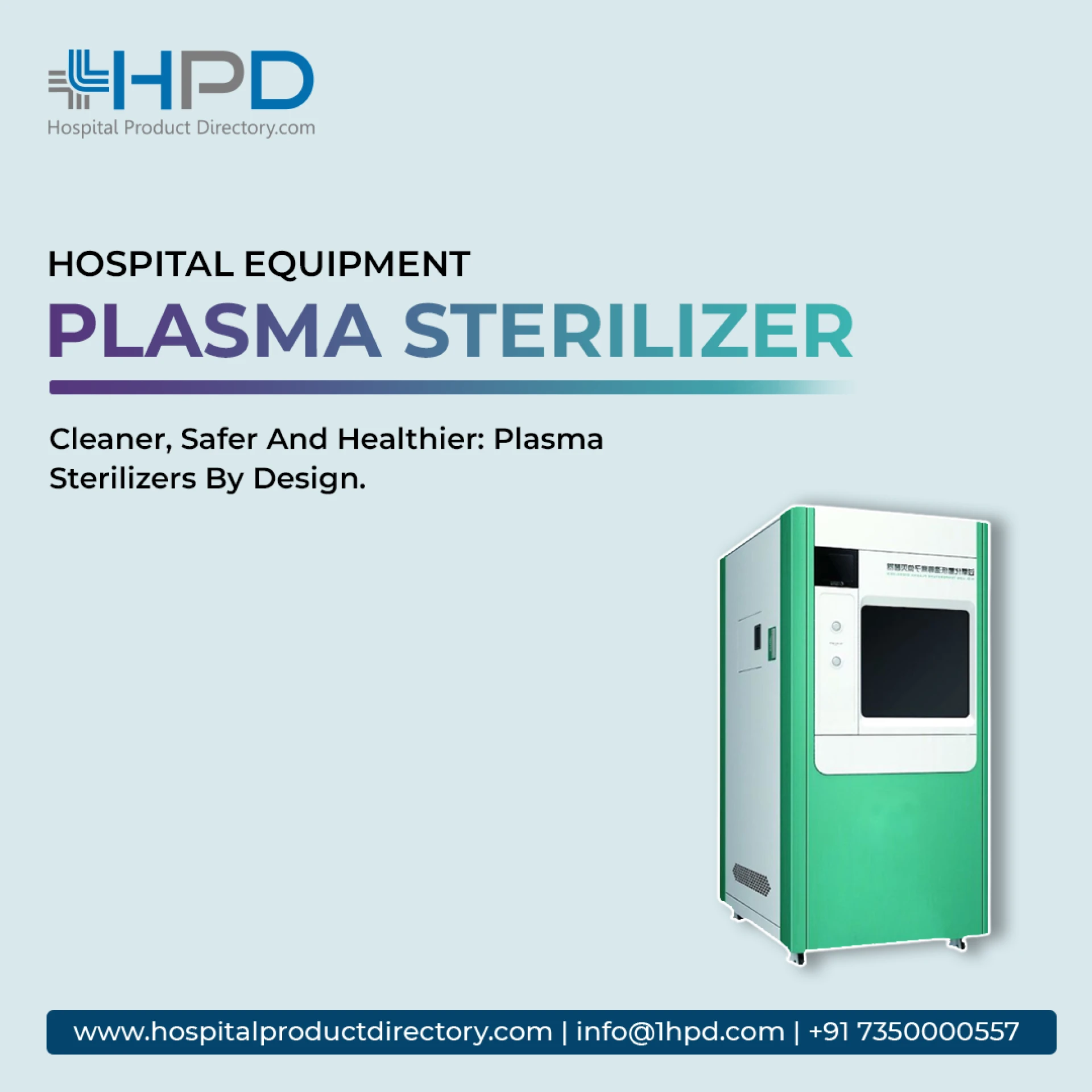

Plasma sterilization is a revolutionary technology that has made a significant impact in the medical field. Unlike traditional sterilization methods, such as steam or chemical sterilization, plasma sterilization utilizes low-temperature plasma to effectively eliminate harmful microorganisms on medical equipment and instruments. One of the key advantages of plasma sterilization is its ability to penetrate even the most intricate and delicate medical devices, ensuring thorough sterilization without compromising their functionality. This is particularly important in the medical field, where precision instruments are used for various procedures. Another advantage of plasma sterilization is its compatibility with a wide range of materials. Unlike other sterilization methods that may cause damage or degradation to certain materials, plasma sterilization is gentle yet highly effective. This makes it suitable for sterilizing not only metal and glass instruments but also plastics, rubber, and even sensitive electronic components. Furthermore, plasma sterilization is known for its rapid cycle times, allowing for efficient and streamlined sterilization processes. This is particularly beneficial in healthcare settings where time is of the essence, such as operating rooms or emergency departments
Applications of plasma sterilizers in healthcarePlasma sterilizers built by Plasma Sterilizer Manufacturers have revolutionized the healthcare industry by offering a highly effective and efficient method of sterilizing medical equipment and instruments. These advanced devices utilize plasma technology to eliminate harmful microorganisms, ensuring a safe and sterile environment for both patients and healthcare professionals. The applications of plasma sterilizers in healthcare are vast and have significantly improved patient care and infection control protocols. One of the key applications of plasma sterilizers is the sterilization of surgical instruments. These instruments are critical components in any surgical procedure, and ensuring their cleanliness and sterility is of utmost importance. Plasma sterilizers can effectively penetrate complex medical instruments, eliminating even the most stubborn bacteria and viruses, including those with resistance to traditional sterilization methods. In addition to surgical instruments, plasma sterilizers are also used to sterilize delicate and heat-sensitive medical equipment, such as endoscopes and catheters. These devices require a gentle yet powerful sterilization process, and plasma sterilizers offer a safe and efficient solution. The low-temperature plasma technology eliminates the risk of damage to these sensitive instruments while effectively eradicating any potential pathogens. Furthermore, plasma sterilizers find applications in the sterilization of laboratory equipment, ensuring accurate and reliable results in research and diagnostic settings. From petri dishes to pipettes, plasma sterilizers provide a thorough and consistent sterilization process, minimizing the risk of cross-contamination and preserving the integrity of scientific experiments and medical tests. Plasma sterilizers supplied by Plasma Sterilizer Suppliers have also proven invaluable in the sterilization of personal protective equipment (PPE) during the ongoing COVID-19 pandemic. With the increased demand for PPE, ensuring its proper sterilization and reuse has become crucial. Plasma sterilizers offer a rapid and effective method of sterilizing masks, gowns, and other protective gear, enabling healthcare facilities to conserve resources and maintain a continuous supply of essential equipment.
The benefits of plasma sterilization for patient safetyPlasma sterilization has revolutionized the healthcare industry, bringing significant benefits for patient safety. Traditional sterilization methods using heat or chemicals can be harsh on delicate medical equipment, and there's always a risk of residual chemicals or heat damage. However, plasma sterilizers offer a safer and more effective alternative. One of the key benefits of plasma sterilization is its ability to penetrate even the tiniest crevices and hard-to-reach areas of medical devices. This ensures thorough sterilization, eliminating any hidden pathogens that could pose a risk to patients. The plasma process effectively destroys bacteria, viruses, fungi, and other microorganisms, making it highly reliable for infection control. Another advantage is that plasma sterilization is a low-temperature process, which means it can be safely used on heat-sensitive equipment, such as plastic or electronic devices. This is particularly valuable in the medical field, where many intricate instruments and devices require sterilization. By utilizing plasma sterilizers, healthcare facilities can ensure the safety and longevity of their equipment without the fear of damage.
The future of sterilization technology: advancements and innovations
The field of healthcare is continually evolving, obsessed by advancements in technology. One area that has seen significant progress is sterilization technology. Traditional methods of sterilization, such as heat and chemical-based processes, have been effective but come with limitations. However, with the emergence of plasma sterilizers bought from Plasma Sterilizer Dealers, the future of sterilization technology is poised for incredible advancements and innovations. Plasma sterilizers utilize low-temperature plasma to effectively sterilize medical instruments and equipment.. Firstly, plasma sterilization is non-toxic and environmentally friendly, as it does not require the use of harmful chemicals or high temperatures. This makes it a safer option for both patients and healthcare professionals. Another key benefit of plasma sterilizers is their ability to penetrate complex shapes and delicate materials without causing damage. Medical instruments with intricate designs or sensitive components can be easily sterilized without compromising their functionality or integrity. This is a significant advancement that ensures the highest standards of patient safety and reduces the risk of infections. Furthermore, plasma sterilization is faster and more efficient than traditional methods. The process is automated and can be completed in a relatively short time, enhancing workflow efficiency in healthcare settings. This allows medical professionals to focus more on patient care and less on time-consuming sterilization procedures. Looking ahead, the future of sterilization technology holds even more exciting possibilities. Ongoing research and development are focused on improving plasma sterilizers, aiming to make them even more effective, versatile, and accessible. Scientists and engineers are exploring new sterilization methods, such as atmospheric pressure plasma, which could revolutionize the field further.





























Sign in to leave a comment.