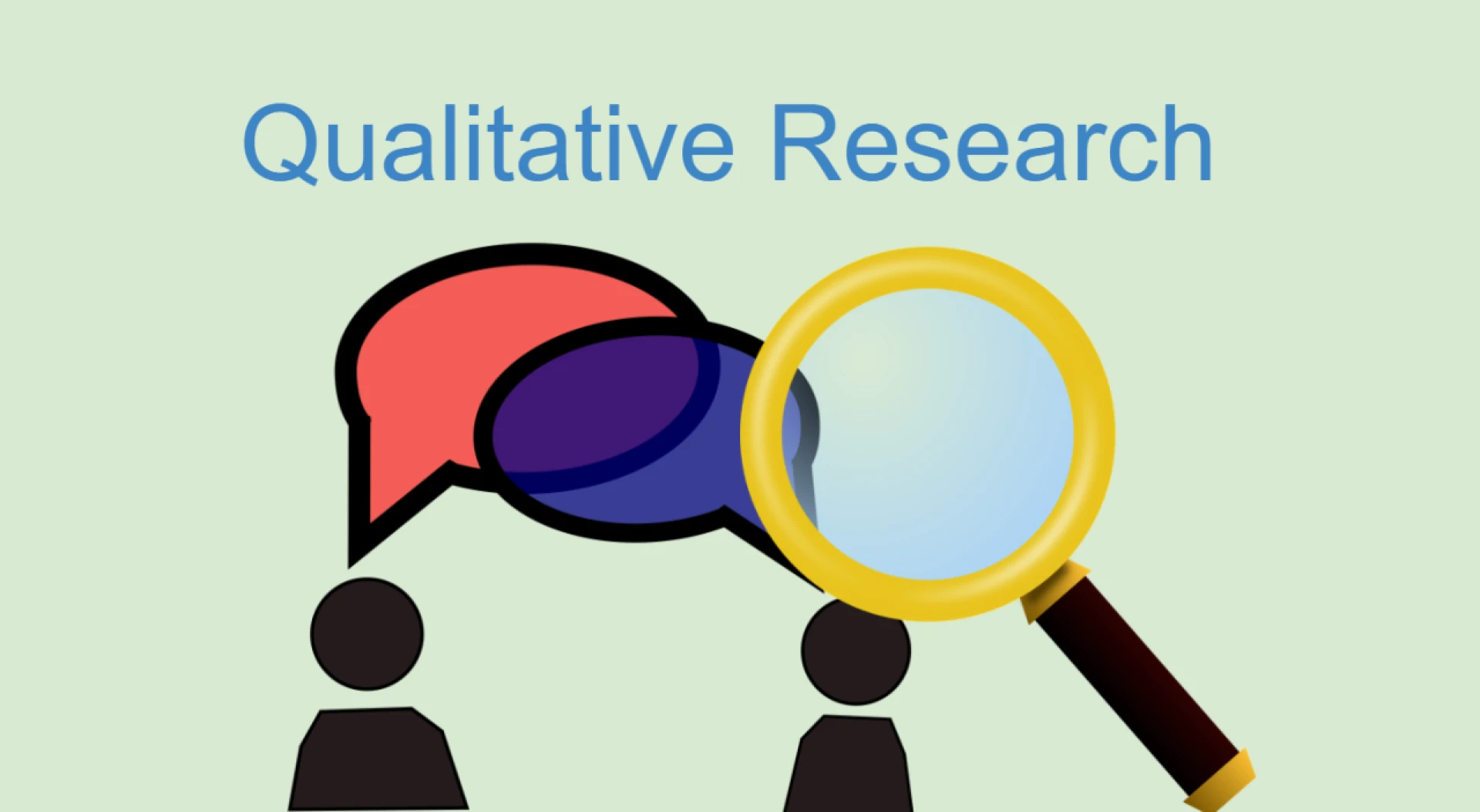

Professional transcription is pivotal in qualitative research, where data accuracy is essential. Qualitative research transcription services cater to such research, which relies on spoken words and narratives instead of quantitative data for conclusions.
Here, transcription is not just about converting speech to text; it's about preserving the essence of information conveyed in interviews, focus groups, and other verbal interactions.
Let us now dive into the key aspects where professional transcription significantly impacts qualitative research.
Ensuring Data Integrity
The foremost benefit of professional transcription in qualitative research is the assurance of data integrity. Professional transcribers are trained to capture nuances, dialects, and even non-verbal cues like pauses and intonations, which are crucial in understanding the context and emotions behind spoken words.
This level of detail is often missed in automated transcriptions or by those unfamiliar with the subject matter or dialect. Lastly, accurate transcription, an essential aspect of technical translation services in the UK, ensures researchers have a reliable text for their core analysis.
Facilitating In-Depth Analysis
Transcribed data allows researchers to engage in a more thorough analysis. With texts in hand, researchers can easily reference specific parts of their data, code them, and identify patterns or themes.
This is particularly important in fields like sociology, psychology, and market research, where understanding human behaviour and opinions is vital. Professional transcription provides a straightforward, searchable, organised dataset indispensable for qualitative analysis.
Enhancing Accessibility and Collaboration
Professional transcription, integral to technical translation services in the UK, enhances the accessibility of research data. Transcribed texts can be shared easily among team members, regardless of location. This facilitates collaboration, as researchers can work on the same dataset simultaneously, discuss findings, and draw collective conclusions.
Moreover, for researchers who are not native speakers of the language used in the audio or video files, professionally transcribed documents are invaluable.
Compliance with Ethical Standards
In qualitative research, maintaining the confidentiality and anonymity of participants is often a requirement. Professional transcribers adhere to ethical standards, ensuring that sensitive information is handled carefully. This is particularly crucial in research involving vulnerable groups or sensitive topics.
Final Thoughts
In conclusion, qualitative research transcription services are not merely procedural but a critical component that significantly impacts research outcomes. By ensuring data integrity, facilitating in-depth analysis, enhancing accessibility and collaboration, and adhering to ethical standards, professional transcription services play an indispensable role in the success of qualitative research projects.
As the demand for nuanced and detailed qualitative data grows, the role of professional transcription will become increasingly vital in the research landscape.



























Sign in to leave a comment.