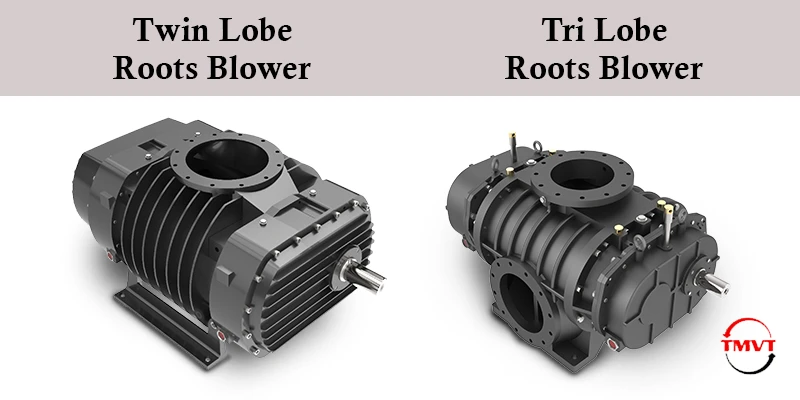

Roots type blowers are crucial components in various industrial processes, such as material handling, pneumatic conveying, and wastewater treatment. These blowers are known for their reliability, efficiency, and ability to deliver high volumes of air or gas at a constant flow. However, one factor that can significantly affect their performance is temperature. The performance of a Roots type blower can vary considerably under different temperature conditions, which can impact its efficiency, durability, and overall functionality.
In this article, we will explore how temperature influences the performance of Roots type blowers, the potential problems that arise with temperature variations, and how to mitigate these issues to ensure optimal blower performance.
Understanding Roots Type Blowers
Before delving into the temperature effects, it's essential to understand the mechanics behind a Roots type blower. These blowers operate on the positive displacement principle, where two rotors, which rotate in opposite directions, move air through the blower casing. As the rotors turn, air is trapped in the pockets between the rotors and the casing, and is moved through the outlet. This process creates a continuous and consistent airflow, which is the key to their widespread use in various industries.
Roots type blowers are typically used in applications requiring a stable and high flow of air or gas. Their versatility makes them ideal for many industries, from mining to food processing to wastewater treatment plants.
The Impact of Temperature on Roots Type Blower Performance
Temperature can affect the performance of Roots type blowers in several ways. Let’s look at how both high and low temperatures can influence their operation.
1. High Temperatures
When the temperature rises beyond the specified range for the blower, it can lead to several performance issues:
- Reduced Efficiency: High temperatures can cause the air entering the blower to expand. As a result, the blower must work harder to compress the air, reducing its efficiency. The blower's capacity to move air is directly related to the temperature of the incoming air. Hot air is less dense, meaning the blower has to work more to achieve the same output.
- Increased Wear and Tear: Prolonged exposure to high temperatures can accelerate wear on the blower components, particularly the bearings and seals. These parts may experience greater friction due to the heat, leading to premature failure if not adequately maintained.
- Lubrication Issues: High temperatures can affect the lubrication within the blower, leading to poor lubrication performance. The oil in the blower system may thin out at high temperatures, reducing its ability to create a protective film over the moving parts, thus increasing friction and heat generation, ultimately shortening the lifespan of the blower.
- Motor Overheating: The motor driving the Roots type blower can also be affected by high temperatures. Overheating of the motor can lead to reduced performance, potential motor damage, and even complete failure if the motor is not adequately cooled.
2. Low Temperatures
On the other hand, low temperatures can also create challenges for the Roots type blower:
- Viscosity of Lubricants: In colder temperatures, the viscosity of the lubricant increases, making it thicker and less effective in reducing friction between the moving parts. This can cause greater resistance within the blower, leading to a drop in efficiency and potentially increasing the strain on the motor and blower components.
- Condensation and Freezing Risks: In some industrial applications, air or gas that enters the blower may carry moisture, which can condense and freeze in colder temperatures. Ice formation can block airflow or damage internal components of the blower, resulting in downtime or expensive repairs.
- Thermal Expansion and Contraction: When temperatures fluctuate, the materials in the blower, such as metals and rubber seals, may expand and contract. Over time, these fluctuations can cause seals to crack or components to become misaligned, leading to leaks and reduced blower performance.
3. Temperature Fluctuations and Their Impact
In many industrial environments, temperature is not constant. For example, ambient temperatures may vary throughout the day or seasonally, creating additional challenges for Roots type blowers. The blowers may be exposed to rapid temperature fluctuations, which can lead to condensation issues, material fatigue, and mechanical stress on internal components.
Mitigating Temperature-Related Issues
To ensure optimal performance and longevity of Roots type blowers, certain measures should be taken to mitigate the impact of temperature fluctuations:
- Use of Temperature Control Systems: Installing temperature control systems, such as cooling fans or heaters, can help maintain the temperature of the air entering the blower within the recommended range. This ensures the blower operates efficiently and reduces the likelihood of overheating or freezing issues.
- Regular Maintenance: Routine maintenance is crucial to avoid temperature-related problems. Regularly checking the lubrication system, cleaning filters, and inspecting components like bearings and seals can prevent wear and tear caused by high or low temperatures.
- Correct Lubricants: Choosing the appropriate lubricant for the specific temperature range of your application is essential. Some lubricants are designed for high-temperature environments, while others are better suited for low temperatures.
- Insulation: Insulating the blower and its components can help prevent condensation in colder temperatures and protect the motor from overheating in high-temperature conditions.
- Monitoring Temperature: Implementing temperature sensors and monitoring systems can provide real-time data about the blower’s performance and help identify potential issues before they lead to failure.
Conclusion
The performance of a Roots type blower is significantly influenced by temperature, with both high and low temperatures posing unique challenges. By understanding these temperature effects and implementing preventive measures, you can ensure that your Roots type blower operates efficiently and lasts longer. Regular maintenance, proper lubrication, and the use of temperature control systems are key to mitigating the impact of temperature on blower performance.
Sign in to leave a comment.