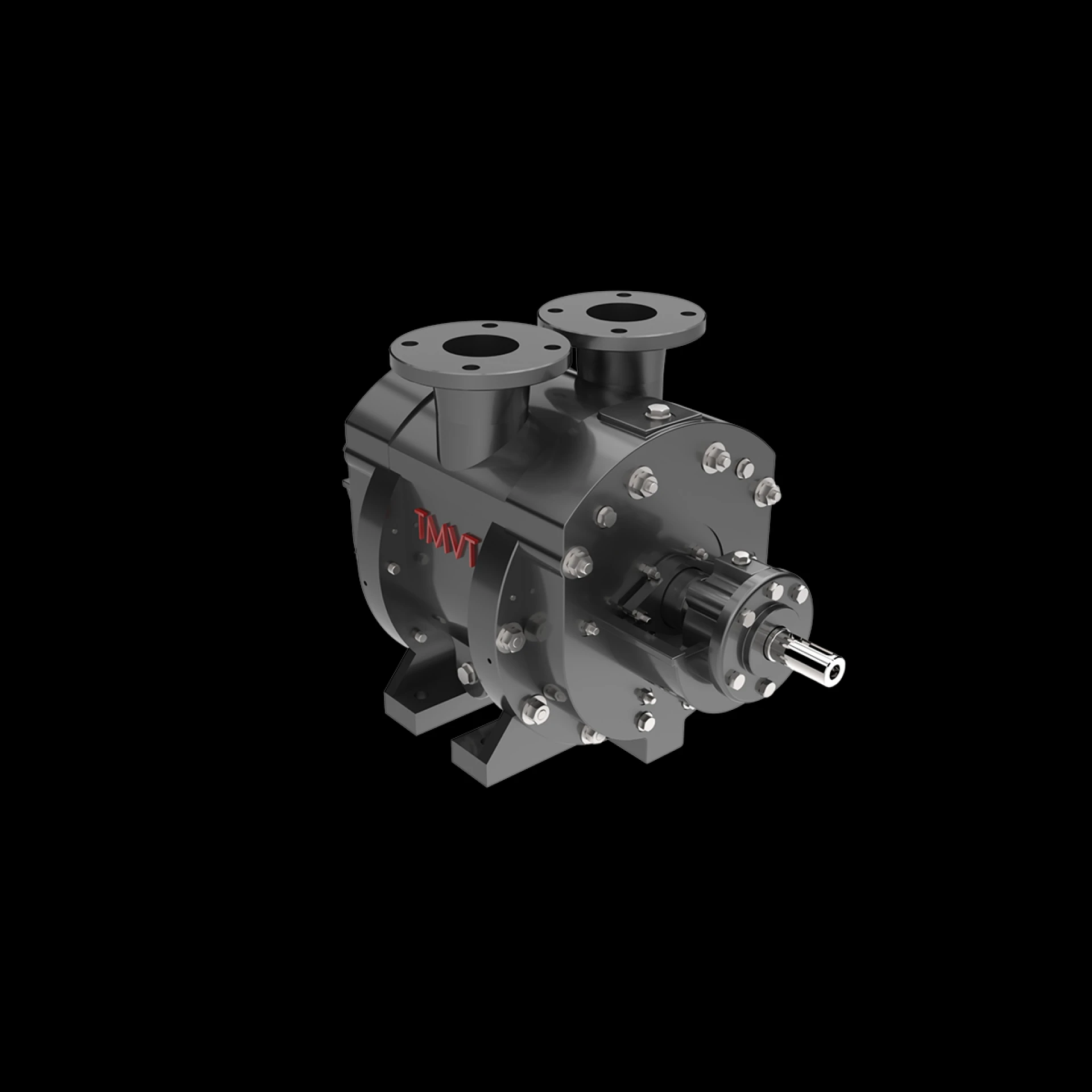

Liquid Ring Vacuum Pumps (LRVPs) are integral to the efficient operation of power generation systems, including thermal, nuclear, and renewable energy plants. These pumps utilize a rotating impeller to create a liquid seal, forming a vacuum that effectively handles gases and vapors. Their unique design and functionality make them indispensable in various applications within the power industry.
Understanding Liquid Ring Vacuum Pumps
A Liquid Ring Vacuum Pump operates by rotating an impeller within a cylindrical casing, causing a liquid (commonly water) to form a ring along the casing's inner wall. This liquid ring acts as a sealant, trapping gases within the chambers formed between the impeller blades. As the impeller rotates, these gas pockets are compressed and expelled, creating a vacuum effect. This design allows LRVPs to handle wet, corrosive, or particulate-laden gases efficiently, making them suitable for demanding applications in power generation.
Applications in Power Generation
1. Condenser Vacuum Systems
In thermal and nuclear power plants, steam turbines generate electricity by converting thermal energy into mechanical energy. After passing through the turbine, steam enters a condenser where it is cooled and condensed back into water. Maintaining a vacuum within the condenser is crucial to enhance heat exchange efficiency and reduce back pressure on the turbine. LRVPs effectively remove non-condensable gases, such as air, from the condenser, ensuring optimal performance and efficiency. citeturn0search4
2. Flue Gas Desulfurization (FGD)
Coal-fired power plants produce sulfur dioxide (SO₂) as a byproduct, which contributes to air pollution and acid rain. To mitigate this, FGD systems are employed to remove SO₂ from exhaust gases. LRVPs play a vital role in these systems by creating the necessary vacuum to facilitate the absorption and removal of sulfur compounds from the flue gas stream. Their ability to handle moist and corrosive gases makes them ideal for this application. citeturn0search4
3. Fly Ash Handling
Fly ash, a fine particulate matter produced during combustion in power plants, needs to be efficiently collected and transported for disposal or reuse. LRVPs are utilized in pneumatic conveying systems to transport fly ash from collection hoppers to storage silos or processing units. Their robust design allows them to handle abrasive materials and maintain consistent performance over time. citeturn0search0
4. Geothermal Power Generation
Geothermal power plants harness heat from the Earth's interior to generate electricity. The steam extracted from geothermal wells contains non-condensable gases, such as hydrogen sulfide (H₂S), which can be corrosive and detrimental to equipment. LRVPs are employed to remove these gases from the steam before it enters the turbine, protecting the system and ensuring efficient operation. citeturn0search0
Benefits of Liquid Ring Vacuum Pumps
1. High Efficiency
LRVPs are designed to operate efficiently under varying load conditions, maintaining consistent vacuum levels. Their ability to handle large volumes of gas with minimal energy consumption contributes to the overall efficiency of power generation systems.
2. Durability and Reliability
Constructed with durable materials and featuring a simple design with fewer moving parts, LRVPs offer long service life and reliability. This robustness is essential in power plants where continuous operation is critical.
3. Environmental Compliance
By efficiently removing non-condensable gases and pollutants, LRVPs help power plants comply with environmental regulations. Their role in FGD and gas removal systems aids in reducing harmful emissions, contributing to cleaner air and environmental sustainability.
4. Versatility
LRVPs can be adapted for various applications within the power industry, including vacuum distillation, solvent recovery, and deaeration of feedwater. Their versatility makes them a valuable asset in diverse power generation processes.
Conclusion
Liquid Ring Vacuum Pumps are essential components in modern power generation systems. Their ability to efficiently handle gases and vapors under challenging conditions ensures the optimal performance and environmental compliance of power plants. As the energy sector continues to evolve, the role of LRVPs in enhancing efficiency, reliability, and sustainability remains paramount.






























Sign in to leave a comment.