
Introduction
In the world of power generation, efficiency is the key to maximizing energy output while minimizing costs and environmental impact. One of the most essential components in achieving this efficiency is the heat exchanger. As a leading heat exchanger manufacturer, we understand how vital these systems are in optimizing power plants’ performance. Heat exchangers play a critical role in transferring heat between two fluids—whether it's from the exhaust gases in a gas turbine or from the cooling water used to maintain ideal temperatures in various processes. This article will explore how heat exchangers contribute to the efficiency of power generation plants, providing crucial benefits in energy recovery, temperature regulation, and overall performance.
What is a Heat Exchanger?
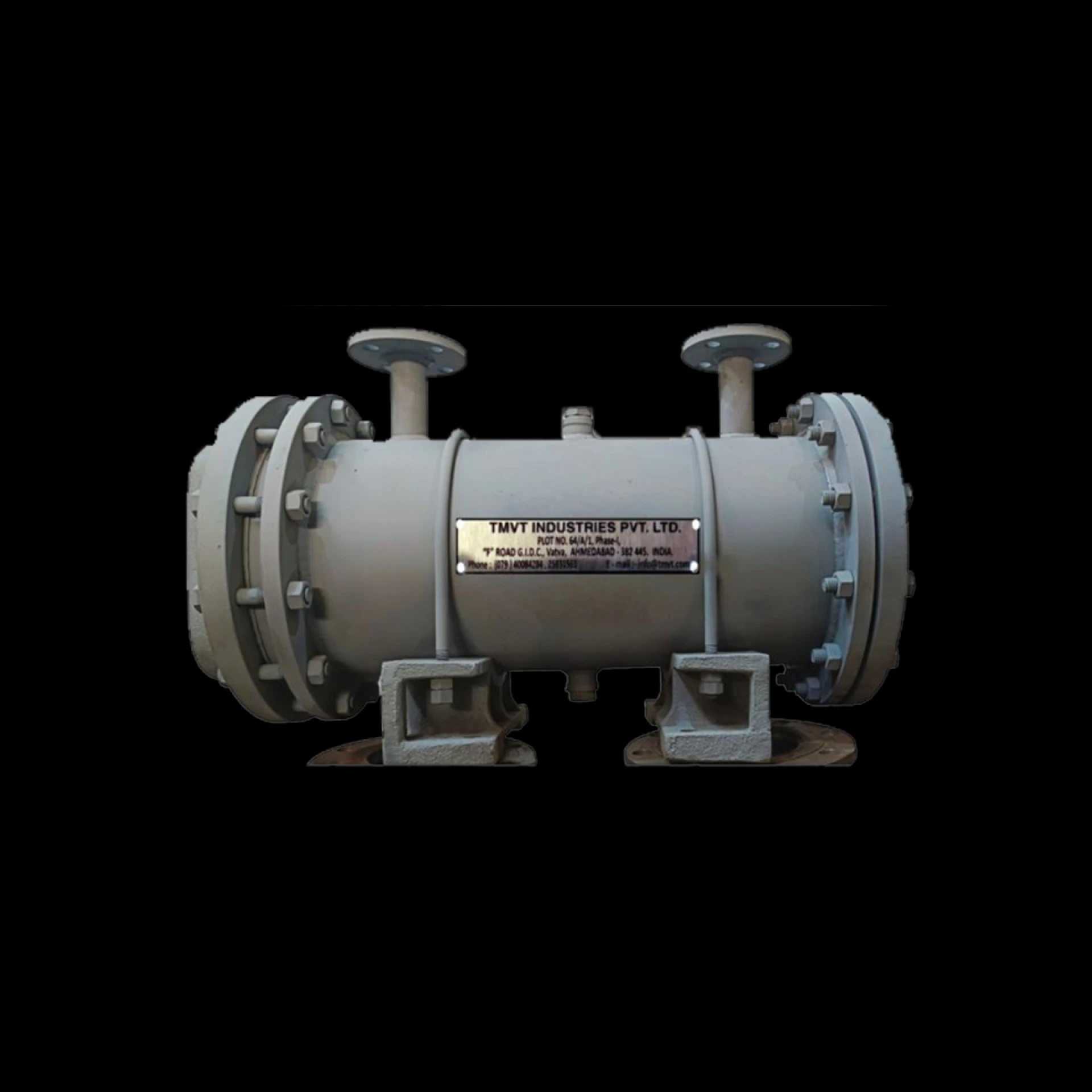
A heat exchanger is a device that facilitates the transfer of thermal energy between two fluids, usually without them mixing. In a power generation plant, the primary function of heat exchangers is to improve the efficiency of energy transfer, ultimately reducing the operational cost of the plant. This process enables the plant to generate more power with less fuel and lower emissions, which is crucial in the context of rising energy demands and environmental concerns.
The Role of Heat Exchangers in Power Plants
Heat exchangers serve multiple functions in a power generation plant, each contributing to the overall efficiency of the system:
- Heat Recovery and Fuel Efficiency
One of the primary ways heat exchangers enhance plant efficiency is through heat recovery. In power plants, especially those that use combustion engines or gas turbines, a significant amount of heat is generated during the fuel-burning process. Without an efficient heat exchange system, much of this heat would go to waste. Heat exchangers allow for the recovery of waste heat, which can then be reused in the process, reducing the need for additional fuel consumption and improving overall fuel efficiency. - Temperature Control
Another important aspect of power plant efficiency is the maintenance of optimal temperature levels throughout the system. Heat exchangers help maintain these temperatures by transferring heat from high-temperature fluids (like exhaust gases) to lower-temperature fluids (such as water or air). By controlling the temperature of fluids in critical processes, heat exchangers help prevent overheating, which can reduce wear and tear on machinery and prevent energy losses that occur when temperature regulation fails. - Enhanced Performance and Reduced Emissions
Efficient temperature management and heat recovery not only improve the efficiency of power generation but also help to reduce greenhouse gas emissions. By utilizing heat exchangers, power plants can extract more usable energy from the same amount of fuel, leading to a decrease in fuel consumption and, by extension, a reduction in the emissions associated with power generation. This is especially important as governments and industries worldwide aim to meet stricter environmental regulations. - Supporting Combined Heat and Power (CHP) Systems
Heat exchangers are also integral to Combined Heat and Power (CHP) systems, which are designed to generate both electricity and useful thermal energy from the same energy source. In these systems, heat exchangers allow the plant to use the heat produced during electricity generation for other applications, such as heating water or space heating, further enhancing the overall energy efficiency of the plant.
Types of Heat Exchangers Used in Power Plants
Power generation plants use various types of heat exchangers, depending on their specific needs and processes. Some common types include:
- Shell and Tube Heat Exchangers: These are widely used in power plants due to their ability to handle high-pressure systems, such as in steam boilers or condensers.
- Plate Heat Exchangers: These are used when space is limited and high thermal efficiency is required. They are often found in smaller, modular systems or in cooling towers.
- Air Cooled Heat Exchangers: These are used in plants where water is scarce, and air is used as the cooling medium instead.
Benefits of Heat Exchangers in Power Generation Plants
In addition to improving energy efficiency, heat exchangers offer several other benefits in power generation plants:
- Cost Savings: By recovering waste heat and improving fuel efficiency, heat exchangers significantly reduce operational costs over time.
- Increased Reliability: Heat exchangers help maintain the plant’s reliability by ensuring optimal operating temperatures and reducing the risk of equipment failure.
- Sustainability: Using heat exchangers to recover and repurpose waste heat contributes to a more sustainable operation, reducing the environmental footprint of power generation plants.
Conclusion
In conclusion, heat exchangers are indispensable components in the optimization of power generation plants. They enhance fuel efficiency, control temperatures, and reduce emissions, making them essential for both economic and environmental reasons. As a heat exchanger manufacturer, we understand that selecting the right heat exchanger for your power plant can significantly impact your operational performance. By investing in advanced heat exchanger systems, power generation facilities can improve efficiency, reduce costs, and contribute to a greener, more sustainable future.




























Sign in to leave a comment.