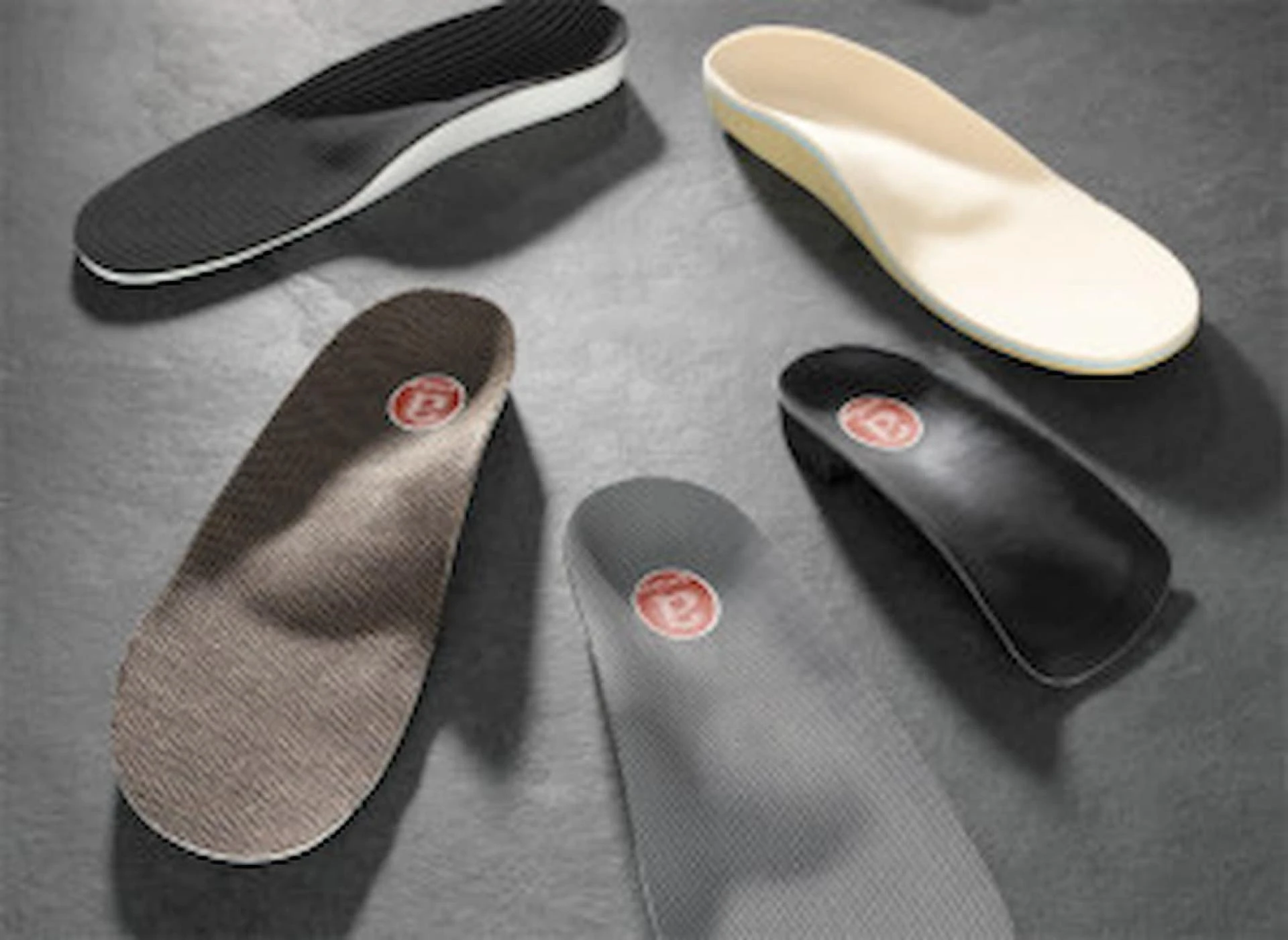

Foot health plays a vital role in overall comfort, posture, and mobility. Many people focus on choosing the right shoes but overlook the condition of the insoles inside them. Over time, insoles naturally compress, lose structure, and stop providing the support they were designed to deliver. When this happens, it may be Time to replace insoles, especially if daily activities begin to feel uncomfortable or tiring. Ignoring worn-out insoles can gradually affect not only the feet but also the ankles, knees, hips, and lower back.
Insoles act as the foundation within footwear. They help distribute body weight evenly, absorb shock, and maintain proper alignment. As they deteriorate, the protective barrier between the foot and the hard surface beneath becomes less effective. This subtle change can lead to a range of problems that often develop slowly and go unnoticed until discomfort becomes persistent.
Loss of Cushioning and Shock Absorption
One of the most noticeable effects of worn-out insoles is reduced cushioning. Every step places pressure on the heel and forefoot. Healthy insoles absorb much of that impact, reducing strain on muscles and joints. When the cushioning flattens, the force of each step travels more directly through the skeletal system.
Without proper shock absorption, individuals may experience heel pain, forefoot tenderness, or a burning sensation after standing or walking for extended periods. Over time, this increased stress can contribute to conditions such as plantar fasciitis, shin discomfort, and joint stiffness.
Compromised Arch Support
Arch support is essential for maintaining foot alignment. Insoles are often designed to support the natural curve of the foot, helping prevent excessive rolling inward or outward. As materials wear down, the arch support weakens or collapses.
When arch support diminishes, the foot may overpronate or supinate, placing uneven stress on ligaments and tendons. This imbalance can lead to fatigue, instability, and discomfort that extends beyond the foot. The knees and hips may compensate for the misalignment, creating strain that affects posture and movement patterns.
Individuals with flat feet or high arches are especially vulnerable to the consequences of deteriorating insoles. For them, consistent support is not merely about comfort but about maintaining functional alignment throughout the body.
Increased Risk of Foot Fatigue
Foot fatigue often develops gradually. At first, it may feel like general tiredness after a long day. However, worn-out insoles reduce the efficiency of movement by failing to support the foot’s natural mechanics.
When the foot lacks adequate support, muscles must work harder to stabilize each step. This added effort can lead to soreness in the arches, calves, and even the lower back. Over time, persistent fatigue may discourage physical activity, affecting overall well-being.
Replacing insoles at the right time helps restore energy efficiency during walking and standing. Proper support allows the foot to function as intended, reducing unnecessary strain on surrounding structures.
Skin Irritation and Pressure Points
Another impact of worn insoles is uneven surface texture. As insoles break down, they may develop compressed areas, cracks, or rough spots. These irregularities can create pressure points that irritate the skin.
Friction from degraded materials may lead to blisters, calluses, or redness. For individuals with sensitive skin or circulation concerns, even minor irritation can escalate into more serious issues. Fresh insoles provide a smoother, more supportive surface that reduces the likelihood of friction-related problems.
Altered Posture and Alignment
Footwear influences posture more than many people realize. The feet serve as the body’s base of support, and when that base becomes unstable, alignment throughout the body may shift.
Worn-out insoles can subtly tilt the foot inward or outward. This change can affect ankle stability, knee tracking, and hip positioning. Over time, compensatory patterns may develop, leading to discomfort in areas far removed from the feet.
Back pain, hip tightness, and even neck strain can sometimes be traced to improper support at ground level. Ensuring that insoles remain functional helps preserve balanced alignment and promotes smoother movement patterns.
Signs It May Be Time for Replacement
Recognizing the signs of worn-out insoles can prevent minor discomfort from becoming a chronic issue. Flattened cushioning, visible creases, thinning material, or a noticeable loss of support are common indicators. Persistent foot pain, increased fatigue, or discomfort that improves when switching shoes may also signal that insoles are no longer effective.
Odor retention can be another sign. As insoles age, they absorb moisture and bacteria, which may lead to persistent smells despite cleaning efforts. Replacing them not only restores support but also improves hygiene within the shoe.
Regular inspection of insoles helps identify wear before it significantly impacts foot health. Paying attention to subtle changes in comfort can make a meaningful difference in long-term mobility.
Impact on Athletic Performance
For active individuals, worn-out insoles can affect performance and recovery. Running, walking, or participating in sports places repeated stress on the feet. Adequate support helps maintain efficiency and reduce strain.
When insoles lose resilience, athletes may notice decreased comfort, slower recovery times, or increased soreness after activity. The body may compensate for reduced cushioning by altering stride or posture, increasing the risk of overuse injuries.
Maintaining supportive insoles contributes to smoother motion, better balance, and improved endurance. Even recreational exercisers benefit from consistent support that adapts to their activity level.
Foot Health in Occupational Settings
Many professions require prolonged standing or walking. In these settings, insoles serve as critical support throughout the day. Worn-out insoles can intensify discomfort, making work tasks more physically demanding.
Employees who stand for extended periods may experience swelling, heel pain, or arch strain when insoles no longer provide adequate cushioning. Replacing them can improve daily comfort and reduce fatigue, contributing to better productivity and overall well-being.
Work environments with hard flooring surfaces increase the importance of proper insole maintenance. Fresh insoles help absorb impact and reduce cumulative stress on the body.
Long-Term Preventive Care
Foot health is closely connected to preventive care. Small adjustments, such as replacing worn insoles, can prevent larger issues from developing. Consistent support protects soft tissues, maintains alignment, and reduces unnecessary strain.
Incorporating regular insole checks into a footwear routine is a simple yet effective practice. Storing shoes properly, allowing them to dry between uses, and selecting insoles suited to individual foot types can further enhance their lifespan and effectiveness.
Preventive care also includes paying attention to changes in comfort. Discomfort should not be dismissed as a normal part of daily activity. Addressing the root cause early can preserve mobility and reduce the need for more intensive interventions later.
Supporting Overall Wellness
Healthy feet contribute to overall wellness. When feet feel supported, individuals are more likely to remain active, engage in exercise, and maintain healthy routines. Worn-out insoles, on the other hand, can create subtle barriers to movement that gradually limit activity levels.
Replacing insoles is a small but meaningful investment in comfort and mobility. By ensuring proper cushioning and alignment, individuals can protect their joints, reduce fatigue, and enhance daily performance.
Awareness of foot health empowers individuals to make informed decisions about their footwear. Paying attention to the condition of insoles and recognizing when support has diminished can prevent unnecessary discomfort and promote long-term well-being.
Maintaining foot comfort is not solely about choosing stylish or durable shoes. It involves understanding the role that insoles play in absorbing impact, supporting arches, and stabilizing movement. When insoles wear out, their ability to perform these functions declines, often without immediate notice. Proactive replacement helps sustain healthy biomechanics and encourages a more active lifestyle.
For readers seeking in-depth insights into foot health, mobility, and preventive strategies, Ler Magazine continues to explore topics that support informed decisions and lasting comfort.





























Sign in to leave a comment.