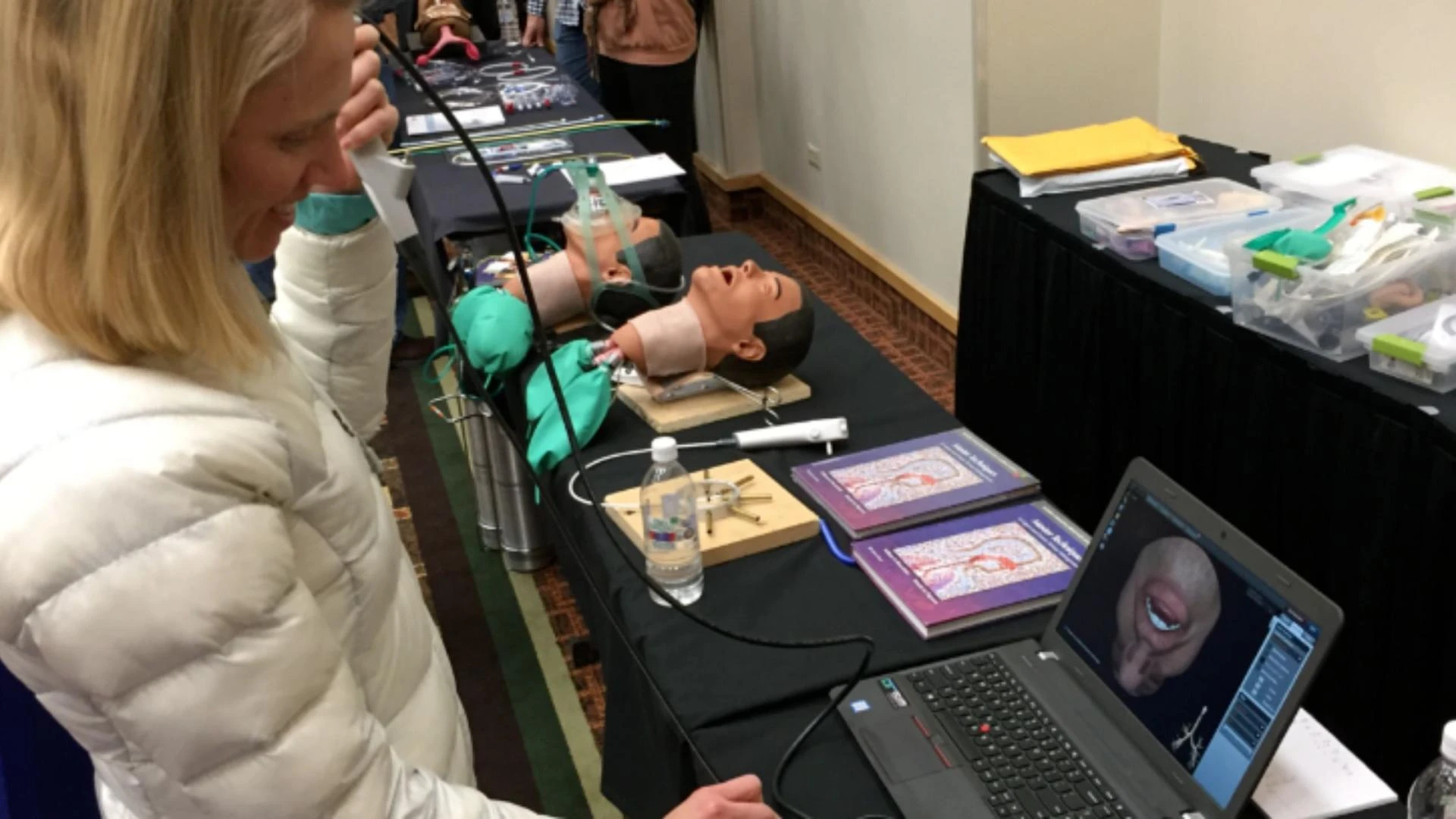

When a person stops breathing properly, every second matters. In many emergencies, the biggest danger is not bleeding or broken bones. It is the loss of a clear airway. Without oxygen, the brain and vital organs begin to suffer within minutes. This is why airway management skills are considered one of the most critical parts of emergency care.
Understanding What Airway Management Really Means
Airway management is the process of keeping a person’s airway open so oxygen can move in and out of the lungs. This sounds simple, but in real emergencies, it is often very challenging.
An airway can become blocked for many reasons, such as:
- Loss of consciousness causing the tongue to block the throat
- Choking on food or a foreign object
- Swelling from allergic reactions or infections
- Trauma to the face, neck, or chest
- Vomit, blood, or fluids blocking airflow
Emergency airway education teaches how to quickly identify these problems and respond in the safest way possible.
Why Airway Problems Become Life-Threatening So Fast
The human body cannot survive long without oxygen. Brain damage can begin within four to six minutes of oxygen loss. After that, the risk of death rises quickly.
In many emergencies, people focus on visible injuries and miss the airway problem. A patient may look calm at first but suddenly stop breathing. This is why airway management is always a top priority in emergency care. It comes before most other treatments.
An emergency airway management course trains learners to think clearly under pressure and act before the situation becomes irreversible.
Airway Management in Real Emergency Situations
Airway emergencies happen more often than many people realize. They occur in everyday settings, not just in hospitals or ambulances.
Common real-life situations include:
- A choking child at home or school
- A car accident victim who is unconscious
- A cardiac arrest patient who is not breathing
- An elderly person with a stroke or severe infection
- A worker exposed to smoke or chemical fumes
In these moments, basic airway skills can mean the difference between life and death.
Core Airway Management Skills Everyone Should Understand
Emergency airway education focuses on simple but powerful skills that can be used even before advanced medical help arrives.
Key skills taught include:
- Recognizing signs of airway obstruction
- Proper head and jaw positioning to open the airway
- Safe use of airway tools when trained
- Clearing visible obstructions
- Providing rescue breathing when needed
These skills are designed to be practical, fast, and effective, even in stressful environments.
The Role of Training and Practice
Airway management is not something people should guess or learn only from videos. Proper training builds confidence and muscle memory.
An emergency airway management course provides:
- Hands-on practice with real-life scenarios
- Clear steps for decision-making under stress
- Guidance on patient safety and infection control
- Understanding when to act and when to wait
Practice helps reduce panic. When the situation is real, trained individuals are more likely to respond calmly and correctly.
Why Airway Skills Matter for Healthcare and Non-Healthcare Workers
Many people think airway management is only for doctors and paramedics. This is not true. While advanced techniques require professional training, basic airway skills are useful for many roles.
These skills are valuable for:
- Nurses and medical students
- First responders and emergency volunteers
- Caregivers for children or elderly people
- Teachers, coaches, and security staff
- Workplace safety teams
Emergency airway education empowers people from different backgrounds to act during critical moments instead of waiting helplessly.
Reducing Errors During High-Stress Emergencies
Mistakes often happen during emergencies due to fear and confusion. Airway problems can worsen if handled incorrectly.
Common errors include:
- Delaying airway checks
- Improper head positioning
- Ignoring breathing changes
- Attempting advanced techniques without training
An emergency airway management course focuses on preventing these errors through structured learning and repeated practice.
How Airway Management Improves Survival Outcomes
Studies and real-world experience show that early airway intervention improves survival rates. Patients who receive timely airway support are more likely to recover without long-term damage.
Good airway management helps:
- Maintain oxygen flow to the brain
- Prevent cardiac arrest caused by oxygen loss
- Stabilize patients until advanced care arrives
- Reduce complications during transport
This is why airway skills are considered a foundation of emergency care worldwide.
Building Confidence Through Emergency Airway Education
Confidence is just as important as knowledge. In life-threatening situations, hesitation can cost lives. Training builds the ability to act quickly and responsibly.
Emergency airway education helps learners:
- Trust their skills
- Stay focused during chaos
- Communicate clearly with others
- Make safe decisions under pressure
This confidence benefits both the responder and the patient.
Why Continuous Learning Matters
Emergency care practices continue to improve. Techniques, tools, and safety guidelines change over time. Ongoing education ensures skills remain effective and up to date.
Taking refresher sessions or an updated emergency airway management course helps reinforce learning and adapt to new standards. This commitment to learning reflects responsibility and professionalism.
Final Analysis:
Airway management is not just a medical skill. It is a life-saving ability that can be applied in everyday emergencies. When breathing stops, nothing else matters until the airway is restored. Investing time in learning and practicing these skills prepares individuals to protect life when it matters most.






















Sign in to leave a comment.