
Inflammation is your body’s autoimmune response for fighting diseases or illnesses. When you tissue is harmed by toxins, bacteria, or any other causes, it can leak dangerous chemicals through that injury. To prevent this from happening, our body triggers inflammation as a response.
However, inflammation should also only happen for a limited time as an acute body defensive response. If it does not go away after a while, that can become a problem. During inflammation, your antibodies look at all tissue as anomalies that need to be removed from the body, and tend to cause damage to them, which is why chronic inflammation can be a problem if not treated as soon as possible.
In this piece, we will look at anti inflammatory supplements and which ones can be effective.
What Do Anti Inflammatory Supplements Do?
Now we know what inflammation is and why it can be terrible for your body long-term, but what about anti inflammatory supplements? How exactly do they work?
One think to note is that chronic inflammation is not just bad on its own, but it also increases your vulnerability to other diseases, such as heart and type 2 diabetes.
Anti inflammatory drugs have two uses, in that they block pain as well as the specific enzyme that causes inflammation in the first place called prostaglandins. These drugs reduce the body’s ability to produce these enzymes, helping reduce discomfort and pain.
However, this also lowers the body’s ability to property synthesize antibodies, which means that while anti inflammatory supplements can be necessary under certain circumstances, they still come with their own caveats.
Supplements to Reduce Inflammation
Here are a few supplements known to help treat chronic inflammation.
Fish OilCurcuminGingerVitamin CGarlicGreen TeaVitamin D
Fish Oil
Fish oil supplements have fatty acids in them called omega-3, which are a necessary supplement to maintain health. The fish oil omega-3 acids contain EPAs (eicosapentaenoics) and DHAs (docosahexaenoics), which your body then turns into ALA (alpha-lipoic acid), an anti-oxidant used to make glucose into energy.
Fish oil is also touted as a post-exercise supplement to help improve muscle regrowth and repair, which is a process necessary for building muscle after it is damaged during exercise. This, however, is still not a proven theory, though the DHA within the fish oil has been shown to reduce inflammation significantly.
As a rule, consuming this supplement in small doses of 2 grams is recommended, as the fish oil can lead to certain side effects such as bad breath and burping. It is recommended that you consult a doctor before taking on this supplement on a regular basis or even in the short term.
Curcumin
Curcumin is a spice typically found in South Asian dishes and cuisine, and is known for it bright yellow color. Apart from reducing inflammation, curcumin has several other health benefits, such as reducing cholesterol, improving mental states, reducing blood pressure, etc.
It also helps reduce pain for arthritis patients, and is often lauded as supplement with much better properties than any other placebo in medical treatments. Its properties in improving one’s metabolism directly line up with inflammation often becoming a problem in unhealthy bodies or those with weak metabolisms and high risk of diabetes.
Despite all this, curcumin is not often used on its own as a supplement, as the body’s ability to properly make use of the substance is relatively low on its own. However, when combined with black pepper, its possible negative effects can be significantly reduced as the latter helps boost the body’s ability to absorb curcumin.
This particular supplement is one that can easily be used in home cooking, making it an ideal supplement to keep one’s body healthy in addition to fighting inflammation.
Ginger
Like curcumin, ginger is also a common cooking ingredient, though it is also used in herbal medicine to help with indigestion. Ginger contains zingerone and gingerol, which help reduce inflammation occurring from other diseases, such as type 2 diabetes. It also helps regulate blood sugar.
Just like fish oil, ginger is only recommended in small doses, as they can have blood-thinning effects if taken regularly. Typically, the amount used in regular cooking is enough as a supplement but it is always recommended to consult a professional.
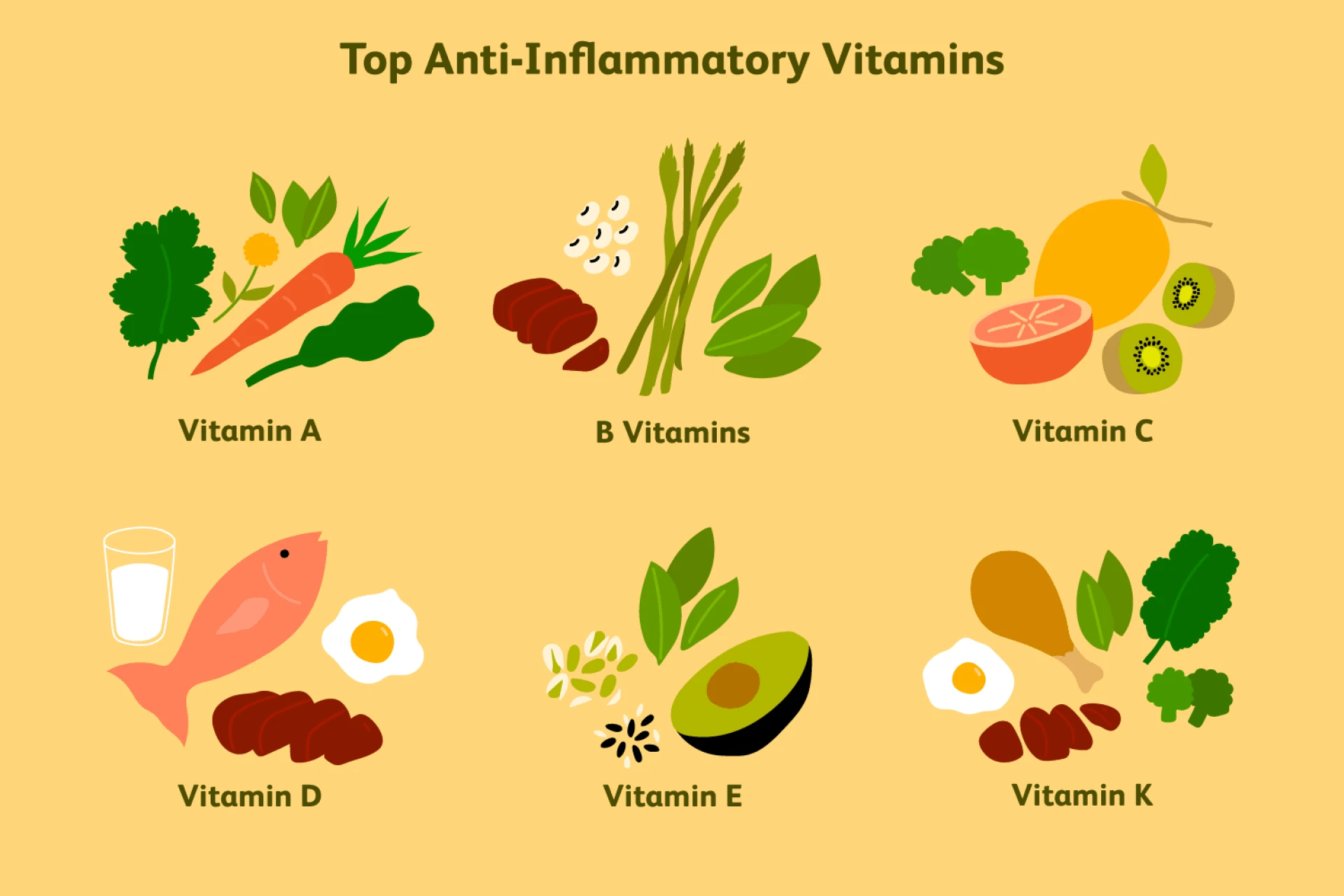
Vitamin C
Vitamin is an effective antioxidant and a powerful substance for building up your body’s immunity. However, its effects on fighting inflation is not through reducing, but through optimizing it, as chronic inflammation is when the body stays on the defensive for too long.
High doses of vitamin C supplements, however, can still reduce inflammation, though it is best to determine your dosage through a professional. Most high doses are used as intravenous treatments in hospitals to reduce inflammation in patients with severe respiratory illnesses.
Vitamin C supplements are generally considered safe and free of any caveats, unless the doses are considerably higher, such as higher than 2,000 mg. Generally speaking, fruits and vegetables are often rich in vitamin C, so this can only be a viable supplement if you cannot eat those fruits and vegetables instead.
Garlic
Garlic is also a supplement commonly found in food that contain anti inflammatory substances. Garlic contains large amounts of allicin, which is an agent that helps reduce inflammation and strengthen the immune system as well.
Garlic is an ingredient recommended for long-term anti inflammation health as well, as eating even a single clove of garlic in a day can help gain anti inflammation benefits.
Green Tea
Green tea has been a part of medicinal remedies for a long time, and contains numerous health benefits besides just anti inflammation properties.
Green tea extract contains epigallocatechin-3-gallate, which is an antioxidant that gives it its potent anti inflammation properties. Green tea extract comes both with and without caffeine, so be sure to know what you are getting before using it as a supplement.
Vitamin D
Vitamin D is a fat-soluble nutrient, helping dissolve the fat in the body in addition to its anti inflammation benefits. Low vitamin D and inflammation presence has been linked by researchers quite often, and regular consumption of it does reduce inflammation significantly.
Vitamin D deficiency is also found in people with obesity, which is linked to type 2 diabetes as well. However, too much vitamin D consumption over a long period of time can lead to toxicity.
Conclusion
Anti inflammatory supplements are often not like diet pills, as they are all natural and contain several benefits in addition to their inflammation reduction abilities. Here are just a few of them that have been discussed.





























Sign in to leave a comment.