
Introduction:
A car timing belt may seem like a small component, but it plays a crucial role in the proper functioning of your vehicle's engine. Understanding its importance and knowing when to replace it can save you from potential breakdowns and costly repairs. In this blog, we will explore six key points about car timing belts that every car owner should know.
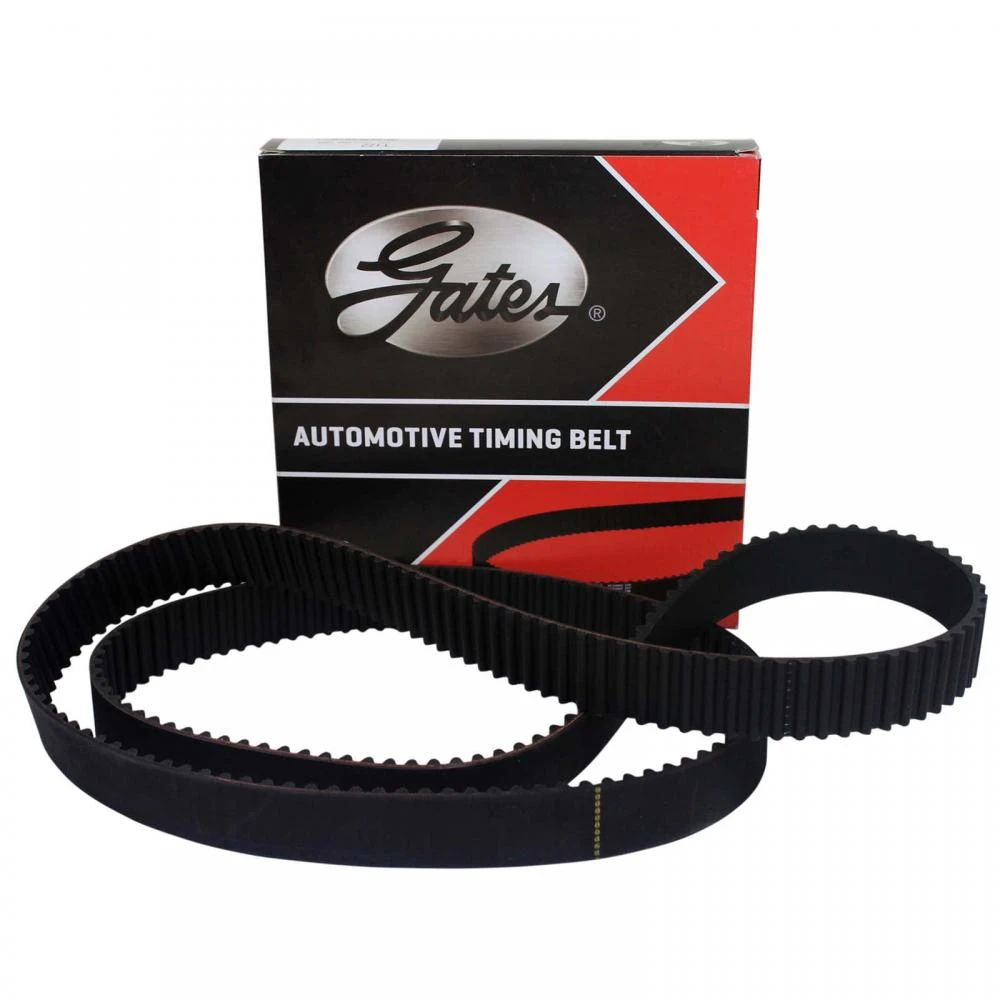
The timing belt, also known as a cam belt, is a reinforced rubber belt that connects the engine's crankshaft and camshaft(s).It ensures the synchronized movement of various engine components, such as valves and pistons, allowing the engine to run smoothly.
2. Importance of timing belt maintenance:
Regular maintenance and timely replacement of the timing belt are essential to prevent engine damage and costly repairs.Over time, the belt can wear out, stretch, or develop cracks, which can lead to engine misfires, valve damage, or complete engine failure.Manufacturers typically provide a recommended replacement interval for the timing belt, which should be followed diligently.
3. Signs of a failing timing belt:
It is crucial to be aware of signs that indicate a failing timing belt, as catching the issue early can prevent more extensive damage.Common signs include engine misfires, rough idling, difficulty starting the car, unusual engine noise, or visible wear on the belt itself.If you experience any of these symptoms, it is best to have your timing belt inspected by a professional mechanic.
4. Replacement cost and frequency:
The cost of replacing a timing belt can vary depending on the make and model of your car, as well as the labor charges.Generally, timing belts should be replaced every 60,000 to 100,000 miles, or as recommended by the manufacturer.It is worth noting that some engines use a timing chain instead of a belt, which does not require regular replacement but may still require maintenance.
5. Timing belt replacement and professional help:
Timing belt replacement is a complex procedure that requires professional expertise and specialized tools.It typically involves removing various engine components to access the timing belt, inspecting and replacing associated components, and properly tensioning the new belt.It is highly recommended to consult a certified mechanic or visit a reputable auto service center for timing belt replacement to ensure the job is done correctly.
6. DIY timing belt inspection:
While timing belt replacement should be left to professionals, you can visually inspect the belt for signs of wear or damage.Locate your timing belt cover (usually found near the front of the engine) and inspect the belt for cracks, fraying, or missing teeth.If you notice any abnormalities, it is advisable to have your timing belt inspected by a professional even if it is not yet due for replacement.
Conclusion:
The car timing belt may be a small component, but it plays a critical role in keeping your engine running smoothly. Regular maintenance, timely replacement, and careful inspection are key to avoiding potential engine damage and costly repairs. By staying informed about the importance of the timing belt and recognizing the signs of a failing belt, you can ensure the longevity and reliability of your vehicle's engine. Remember to consult a professional mechanic for timing belt replacement and enjoy worry-free driving.



























Sign in to leave a comment.