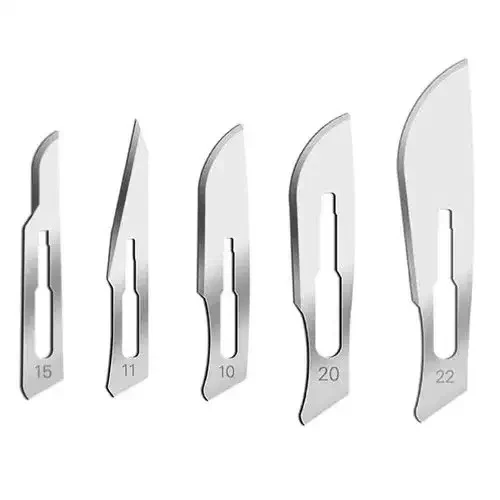

Surgical blades are an essential component of any medical procedure that involves cutting through tissue or bone. The type of Surgical Blade used for a particular procedure can significantly impact the outcome of the surgery, making it essential to choose the right surgical blade for each operation. In this article, we will discuss the importance of choosing the right surgical blade for each procedure.
Precision
One of the most important factors to consider when choosing the right surgical blade is precision. Different surgical blades are designed for various types of tissue and provide varying degrees of accuracy and control. For instance, microsurgical blades are specifically designed for delicate procedures that require a high level of precision, such as neurosurgery or ophthalmic procedures. Selecting the right blade for each procedure ensures that the surgeon can make accurate incisions, thereby minimizing the risk of complications.
Speed
Another crucial factor to consider when choosing the right surgical blade is speed. Certain blades are designed to cut through tissue quickly and efficiently, while others are designed to make precise incisions. Choosing the right blade for each procedure ensures that the surgeon can complete the procedure quickly and effectively, thereby minimizing the patient's exposure to anesthesia and reducing the risk of complications.
Tissue Type
The type of tissue being cut is another important factor to consider when choosing the right surgical blade. Different blades are designed for various types of tissue, and using the wrong blade can result in tissue damage, bleeding, and other complications. For example, serrated blades are ideal for cutting through tough tissue or bone, while scalpel blades are ideal for making precise incisions in delicate tissue.
Blade Size and Shape
The size and shape of the surgical blade are also essential factors to consider when selecting the right blade for each procedure. Blades come in different sizes and shapes, and choosing the right size and shape ensures that the surgeon can make the necessary incisions without damaging surrounding tissue or causing unnecessary bleeding. A larger blade may be required for larger incisions, while a smaller blade may be ideal for more precise work.
Patient Factors
Patient factors such as age, weight, and medical history can significantly impact the choice of surgical blade for each procedure. For example, a patient with fragile skin may require a smaller and more delicate blade, while a patient with thicker skin may require a larger and more robust blade. The surgeon must consider the patient's individual factors when choosing the right blade for each procedure to ensure the best possible outcome.
Infection Control
Infection control is another important factor to consider when choosing the right surgical blade for each procedure. Disposable blades are commonly used in situations where a high degree of sterility is required, such as in dental procedures or in surgeries where infection control is critical. Reusable blades are typically used in situations where a high degree of precision is required, such as in neurosurgery or ophthalmic procedures.
Cost
The cost of surgical blades is another factor that should be considered when selecting the right blade for each procedure. Different blades come at varying costs, and choosing the right blade ensures that the surgeon can perform the procedure effectively while also being cost-efficient. However, it is important to note that cost should not be the primary factor in selecting a surgical blade. The quality and suitability of the blade for the particular procedure must be the primary consideration.
Conclusion
In conclusion, choosing the right surgical blade for each procedure is crucial to achieving the desired outcome and avoiding potential complications. Factors such as precision, speed, tissue type, blade size and shape, patient factors, infection control, and cost must be considered when selecting the right blade for each procedure. It is crucial for surgeons and medical professionals to be familiar with the different types of surgical blades and their uses to ensure that they select the appropriate blade for each procedure. Ultimately, choosing the




























Sign in to leave a comment.