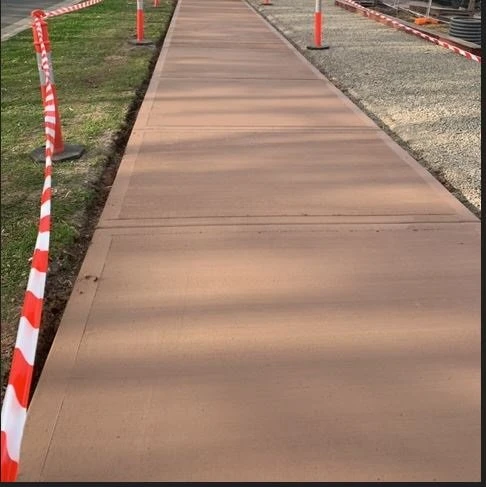

When it comes to building safe and long-lasting pedestrian pathways, proper drainage planning is one of the most important factors. In many footpath construction Melbourne projects, drainage issues are often underestimated. Without proper water management, surfaces may suffer damage, pose safety risks, and result in expensive repairs over time. This is why councils, engineers, and every footpath contractor Melbourne must focus on effective drainage systems as part of the design and construction process.
In this article, we will explore why drainage is so critical, how civil construction company Melbourne teams manage it, and what role Australian standards and council requirements play in ensuring high-quality outcomes.
Why Drainage Matters in Footpath Construction
Drainage is the system that removes excess water from the surface and subsurface of a footpath. Without proper planning, water can pool on pathways and lead to several problems. Slippery surfaces put pedestrians at risk of accidents, while water infiltration weakens the foundation and leads to long-term structural damage. Continuous exposure to moisture can also erode construction materials, resulting in cracks, potholes, and uneven surfaces that make the footpath unsafe. Over time, these issues reduce the lifespan of the footpath and force councils or property owners to spend more on maintenance and repairs.
For a growing city like Melbourne, where public spaces and urban walkways play a key role in daily life, these challenges are unacceptable. That is why expert infrastructure construction services always include drainage as a central part of their planning and execution.
Council Requirements for Footpath Construction in Australia
In Australia, footpath construction must comply with strict council and government regulations. These rules ensure that projects meet safety, durability, and accessibility standards. Some important Council requirements for footpath construction in Australia include having proper stormwater management systems to handle heavy rainfall, designing crossfall gradients that allow water to drain to the kerb instead of pooling on the surface, and ensuring compliance with accessibility laws so that paths remain safe for prams, wheelchairs, and mobility aids even in wet weather. Another key requirement is the use of approved construction materials designed to withstand Australian climate conditions. A reliable footpath contractor Melbourne is well-versed in these requirements and ensures every project passes inspection without delays.
Footpath Construction Materials Approved by Australian Standards
Choosing the right materials is just as important as the drainage design itself. The Footpath construction materials approved by Australian standards are selected based on strength, safety, and water resistance. Commonly used options include concrete, which is durable, cost-effective, and resistant to weathering; asphalt, which is flexible and ideal for areas with heavy pedestrian use; paving blocks, which are popular for decorative pathways but require precise drainage planning to avoid displacement; and reinforced materials such as reinforced concrete, which provide added strength and stability in high-traffic zones. A professional civil construction company Melbourne ensures that all materials used meet the required Australian standards, helping councils and developers avoid compliance issues.
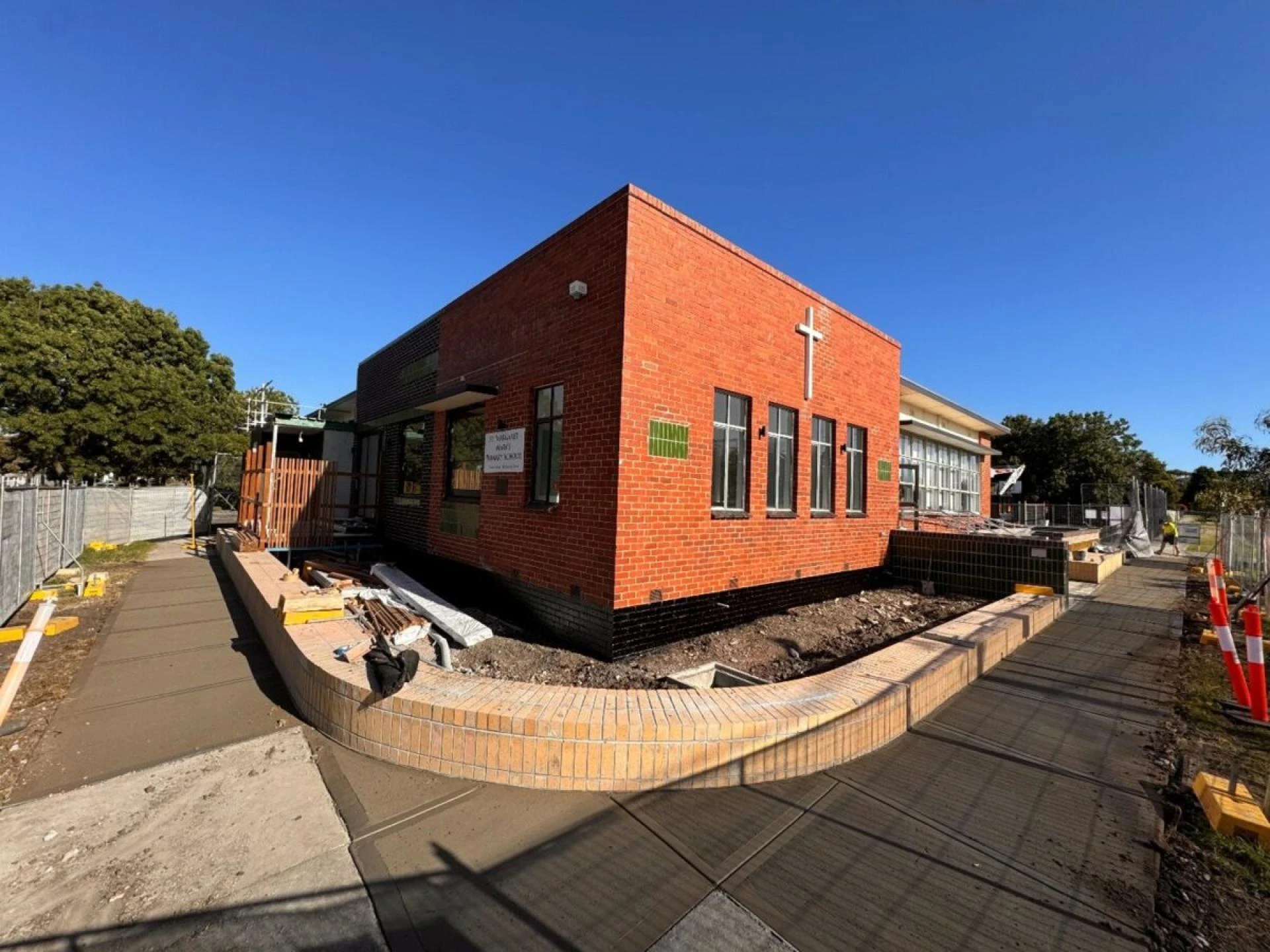
How Civil Construction Companies Plan Drainage
When planning footpath projects, drainage is never an afterthought. A trusted civil construction company Melbourne will consider:
- Site assessment – Checking soil type, slope, and existing drainage systems.
- Designing gradients – Ensuring the footpath has the correct slope for water flow.
- Stormwater integration – Connecting footpath drainage to larger stormwater networks.
- Material selection – Using permeable or reinforced materials depending on the site conditions.
- Regular inspections – Monitoring drainage during and after construction to avoid future issues.
This level of planning not only ensures compliance with Council requirements for footpath construction in Australia but also saves money on long-term maintenance.
Role of Contractors and Infrastructure Services
Every footpath contractor Melbourne plays a vital role in ensuring proper drainage installation. They work hand in hand with engineers and councils to deliver safe and durable walkways. With professional infrastructure construction services, the risks of flooding, erosion, and surface cracking are reduced significantly.
In addition, civil contractors provide:
- Detailed project management for on-time delivery.
- Specialised drainage expertise for different soil and climate conditions.
- Ongoing maintenance support, ensuring drainage continues to perform effectively.
By partnering with an experienced civil construction company Melbourne, councils and developers can achieve both functional and aesthetic pathways that serve the community for decades.
Long-Term Benefits of Proper Drainage Planning
Although drainage planning in footpath projects may appear to be an extra expense initially, the long-term benefits significantly outweigh the costs. Some of these include:
- Extended lifespan of footpaths due to reduced water damage.
- Lower maintenance and repair costs for councils and property owners.
- Increased safety for pedestrians, cyclists, and mobility aid users.
- Improved compliance with Australian standards and council expectations.
- Enhanced community satisfaction with safer and more reliable public spaces.
Drainage planning is not just a technical detail in footpath projects – it’s the backbone of sustainable and safe infrastructure. Without it, footpaths can quickly deteriorate, becoming hazardous and costly to maintain. That’s why councils, engineers, and every footpath contractor Melbourne place strong emphasis on drainage during planning and execution.
By using footpath construction materials approved by Australian standards, adhering to Council requirements for footpath construction in Australia, and engaging trusted infrastructure construction services, cities like Melbourne can build durable pathways that stand the test of time.
If you’re planning a project, partnering with a reliable civil construction company Melbourne is the smartest way to ensure that drainage, compliance, and quality are all taken care of from start to finish.


























Sign in to leave a comment.