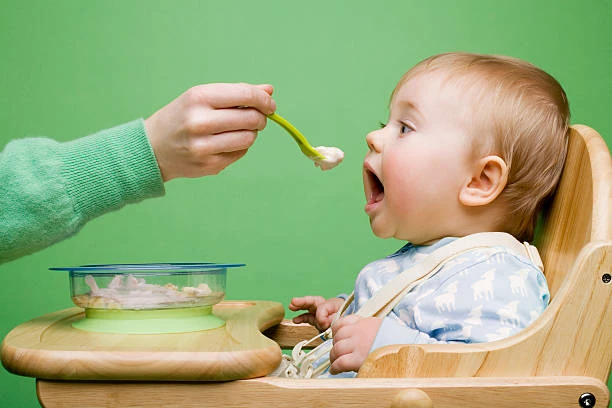

Feeding during infancy is about more than just nutrition. It sets the stage for future growth, self-regulation, and even language development. Proper sucking, swallowing, and breathing patterns are closely tied to speech and motor skills down the line. Delayed intervention may not only prolong feeding issues but could also contribute to later developmental challenges.
This is why many pediatricians and child development experts recommend infant feeding therapy in Houston as early as possible when red flags appear. The earlier therapy is introduced, the better the chance of reshaping feeding habits, improving oral motor strength, and preventing complications in the future.
Families who receive early support often report improvements not just in feeding mechanics, but in the overall relationship with their child. When mealtimes become less stressful, the entire family dynamic shifts, allowing for more joyful, connected caregiving.
What Is Infant Feeding Therapy?
Infant feeding therapy is a specialized service that helps infants who are experiencing difficulties with feeding. These challenges can stem from a variety of causes, including prematurity, medical conditions, oral motor delays, or sensory processing difficulties. Therapists who specialize in feeding—such as speech-language pathologists (SLPs) or occupational therapists (OTs)—work closely with families to assess feeding problems and develop individualized treatment plans.
The primary goal of infant feeding therapy is to help infants feed safely, efficiently, and comfortably. It also aims to reduce stress and anxiety for parents by providing them with the tools and confidence they need to support their baby’s feeding journey.
Signs Your Infant May Need Feeding Therapy
Feeding difficulties can present in a variety of ways. Some signs that may indicate a need for professional evaluation include:
- Difficulty latching during breastfeeding
- Poor weight gain or slow growth
- Coughing, choking, or gagging during feeds
- Fussiness or refusal to eat
- Long or inefficient feeding times
- Reflux symptoms or excessive spit-up
- Resistance to transitioning to solid foods
If you notice any of these signs, it’s a good idea to consider infant feeding therapy in Houston to determine the underlying causes and receive appropriate support.
The Benefits of Early Intervention
Early intervention is critical when it comes to infant feeding. Feeding issues that are not addressed early can lead to long-term problems, such as oral aversions, nutritional deficiencies, delayed speech and language development, or persistent picky eating behaviors.
By identifying and treating feeding difficulties early, therapists can support healthy development and help prevent complications down the road. Therapy sessions often include both hands-on techniques and parent education, creating a comprehensive approach that addresses the infant’s needs while empowering caregivers.
What to Expect During Feeding Therapy
When starting infant feeding therapy in Houston, families can expect a thorough evaluation that includes observing the baby during feeding, reviewing medical and developmental history, and identifying any structural, sensory, or behavioral challenges.
Based on the assessment, a customized therapy plan is developed. This plan may include:
- Oral motor exercises to strengthen the muscles used in feeding
- Positioning strategies to support safe and efficient feeding
- Techniques to improve latch or bottle feeding
- Sensory integration techniques for babies with aversions
- Guidance on introducing and advancing solid foods
- Home activities and caregiver coaching
Therapists may also work in collaboration with other professionals, such as pediatricians, lactation consultants, and nutritionists, to ensure a well-rounded approach to care.
Why Choose Infant Feeding Therapy in Houston?
Houston is a diverse and vibrant city with a growing network of pediatric specialists dedicated to infant health and development. Families looking for infant feeding therapy in Houston benefit from access to highly trained professionals who understand the unique challenges of feeding in infancy and early childhood.
Houston-based feeding therapists are known for their family-centered approach. They take into account cultural feeding practices, parental goals, and the individual needs of each child. Whether your baby is breastfed, bottle-fed, or beginning solids, you can find expert support in Houston to meet your family’s specific circumstances.
Feeding Therapy for Breastfed and Bottle-Fed Infants
Many parents assume that feeding therapy is only for babies transitioning to solid foods, but that’s not the case. Infants who are breastfeeding or bottle-feeding can also face significant challenges. Common issues include trouble latching, weak suck strength, tongue or lip ties, and swallowing coordination problems.
Infant feeding therapy in Houston addresses these issues by focusing on the mechanics of feeding and ensuring that infants can feed safely and effectively. Therapists may work alongside lactation consultants to improve breastfeeding techniques or provide recommendations for bottles and nipples that match the infant’s oral motor abilities.
Supporting the Transition to Solids
Starting solid foods is a major developmental step that can be exciting—but also overwhelming—especially when challenges arise. Some infants may have trouble accepting new textures, resist being spoon-fed, or show limited interest in self-feeding. Others may gag frequently or have difficulty chewing and swallowing.
Feeding therapists help make this transition smoother by using a step-by-step approach that honors each baby’s pace and comfort level. Strategies may include sensory play, adaptive utensils, food chaining, and positive mealtime routines that reduce stress and encourage exploration.
The Role of Parents and Caregivers
One of the most valuable aspects of infant feeding therapy is the emphasis on caregiver involvement. Parents are not just observers—they are active participants in therapy sessions. Therapists provide coaching, answer questions, and demonstrate techniques so that families feel confident continuing therapy activities at home.
This collaborative approach creates consistency between therapy and everyday routines, helping infants progress more quickly and reinforcing healthy feeding habits that last beyond the early years.
Creating Positive Mealtime Experiences
Feeding therapy is about more than just technique—it’s also about creating positive associations with food and mealtimes. For infants who have experienced stress, discomfort, or trauma related to feeding, rebuilding trust is essential. Therapists help families foster calm, nurturing environments that make feeding feel safe and enjoyable.
Through infant feeding therapy in Houston, families receive not just clinical support but also emotional reassurance. Mealtimes become opportunities for bonding and connection, not frustration or fear.
Final Thoughts
Feeding your baby should be a joyful experience, but for many families, it comes with unexpected challenges. If your infant is struggling to feed effectively, you are not alone—and you don’t have to navigate the journey by yourself.
Infant feeding therapy in Houston offers expert guidance, compassionate care, and personalized strategies to help your baby thrive. Whether your little one is having trouble breastfeeding, bottle-feeding, or starting solids, support is available to help you overcome obstacles and build a healthy foundation for lifelong eating habits.

























Sign in to leave a comment.