

Pregnancy is a time filled with anticipation, questions, and careful monitoring to ensure both mother and baby remain healthy. One of the most essential tools used throughout this journey is obstetric ultrasound. Many expectant parents begin their search for an obstetric ultrasound near me early on, recognising its role in providing reassurance and valuable medical insight. This safe and non-invasive imaging technique allows healthcare professionals to monitor the baby’s growth, detect potential concerns, and guide important decisions during pregnancy.
What Is an Obstetric Ultrasound?
An obstetric ultrasound is a diagnostic imaging procedure that uses high-frequency sound waves to create images of the developing baby inside the womb. Unlike X-rays, it does not use radiation, making it safe for both the mother and the baby when performed as recommended.
How It Works
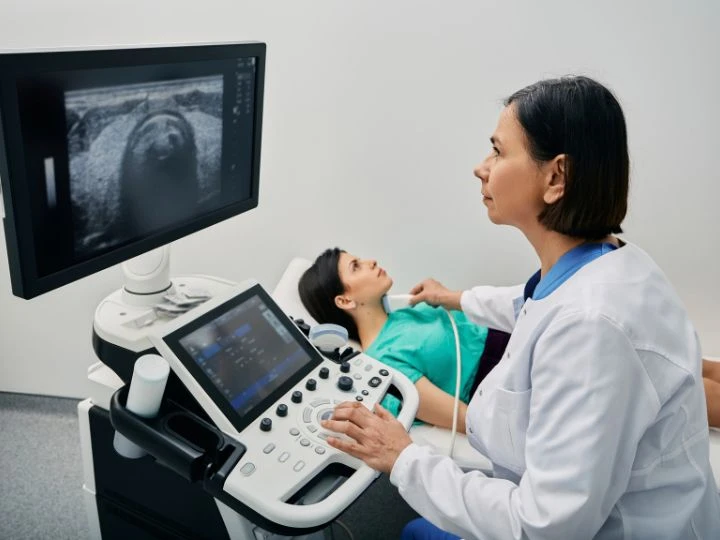
During the scan, a handheld device called a transducer is moved across the abdomen. It sends sound waves into the body, which bounce back to create images on a screen. These images help clinicians assess the baby’s position, size, and overall development.
Why Obstetric Ultrasound Is Important
Obstetric ultrasounds play a critical role throughout all stages of pregnancy. They are not just about seeing the baby—they provide vital medical information.
Confirming Pregnancy and Due Date
In early pregnancy, an ultrasound helps confirm the pregnancy and determine how far along it is. This is important for estimating the due date accurately, which helps guide future care and testing.
Monitoring Baby’s Growth and Development
As the pregnancy progresses, ultrasounds track the baby’s growth. Measurements of the head, abdomen, and limbs help ensure the baby is developing as expected. Any deviations can be identified early, allowing for timely intervention if needed.
Detecting Potential Complications
Ultrasounds can identify certain complications, such as:
- Ectopic pregnancy
- Placenta issues
- Abnormal fluid levels
- Structural abnormalities in the baby
Early detection allows healthcare providers to plan appropriate care and minimise risks.
Different Types of Obstetric Ultrasounds
Not all ultrasounds are the same. Different scans are performed at various stages for specific purposes.
First Trimester Ultrasound
This scan confirms the pregnancy, checks the baby’s heartbeat, and determines the due date. It may also identify multiple pregnancies, such as twins.
Second Trimester (Anatomy Scan)
Often performed around 18–22 weeks, this detailed scan examines the baby’s organs, spine, brain, and limbs. It is one of the most comprehensive assessments during pregnancy.
Third Trimester Ultrasound
Later scans focus on the baby’s position, growth, and the condition of the placenta. These are especially important if there are concerns about growth or other risk factors.
Emotional Reassurance for Parents
While obstetric ultrasounds are primarily medical, they also offer emotional benefits. Seeing the baby for the first time can be a powerful experience for parents. It helps build a connection and provides reassurance that the pregnancy is progressing well.
For many, hearing the baby’s heartbeat or watching movement during a scan brings a sense of comfort and excitement. It transforms the pregnancy from an abstract idea into something real and tangible.
Safety and Frequency
Ultrasounds are considered safe when used appropriately. They are typically scheduled at key stages rather than performed excessively. Healthcare providers recommend scans based on individual needs, ensuring both safety and effectiveness.
It is important to follow medical advice regarding the timing and number of ultrasounds rather than seeking unnecessary scans.
Final Thoughts
Obstetric ultrasound is an invaluable part of modern pregnancy care. It provides essential information about the baby’s health, supports early detection of potential issues, and offers reassurance to expecting parents. While it is a routine procedure, its impact is significant, helping ensure that both mother and baby receive the best possible care throughout the pregnancy journey.
FAQs
1. How many ultrasounds are typically needed during pregnancy?
Most pregnancies involve at least two to three ultrasounds, but the number may vary depending on individual circumstances and medical needs.
2. Are obstetric ultrasounds safe for the baby?
Yes, ultrasounds are considered safe when performed by trained professionals and used as recommended.
3. Can ultrasounds detect all abnormalities?
While ultrasounds can detect many conditions, not all abnormalities are visible. They are an important screening tool but not a guarantee.
4. Do I need to prepare for an ultrasound?
Preparation depends on the type of scan. Early ultrasounds may require a full bladder, while later scans usually do not.
5. Can I find out the baby’s gender through an ultrasound?
Yes, the baby’s gender can often be identified during the second trimester scan, although this depends on the baby’s position and parental preference.
Dr Kavita Maravar’s Practice
The Bond, Suite 4.04,
Level 4/8 Elizabeth Macarthur Dr,
Bella Vista NSW 2153,
Australia





























Sign in to leave a comment.