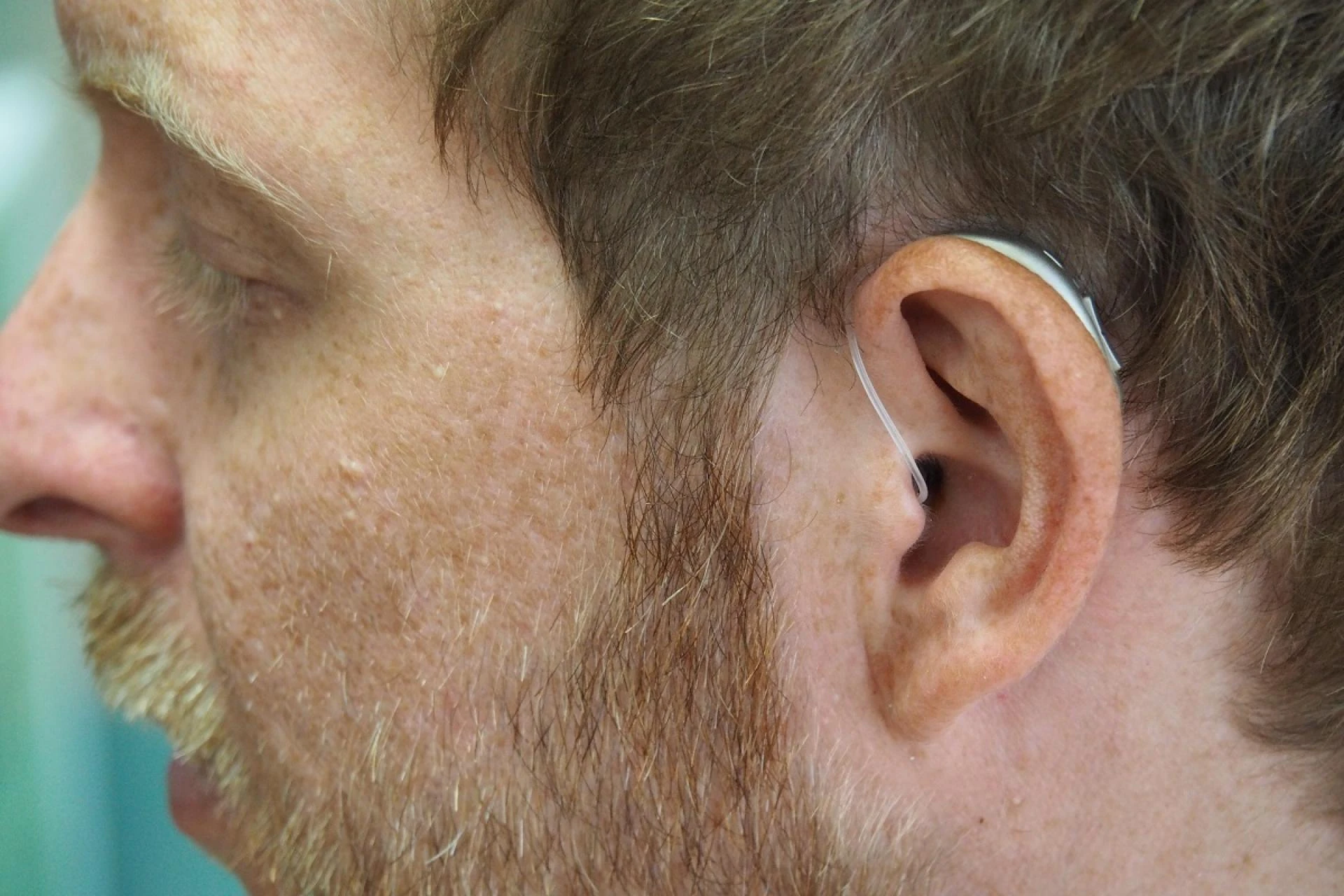

Hearing loss is a common and often frustrating condition advancements in audiology and technology have led to the development of hearing aids fitting, which can greatly improve the quality of life for those with hearing impairments. However, the effectiveness of hearing aids depends significantly on proper fitting and customization to meet an individual's unique needs. In this article, we will explore why proper hearing aid fitting is crucial for those seeking to regain their hearing and enhance their overall well-being.
1. Addressing Individual Hearing Needs
One of the most critical aspects of proper hearing aid fitting is the customization of the device to address an individual's specific hearing needs. Hearing loss is not a one-size-fits-all condition; it can vary in terms of degree, type, and frequency range affected. Therefore, a personalized approach is essential.
A licensed audiologist conducts a comprehensive assessment of the patient's hearing abilities, taking into account factors such as the degree of hearing loss, the frequency range affected, and the individual's lifestyle and preferences. This information forms the basis for selecting the appropriate hearing aid and customizing it to ensure that it provides optimal amplification at the frequencies where hearing is deficient.
2. Maximizing Hearing Aid Benefits
Proper hearing aid fitting maximizes the benefits that these devices can offer. When a hearing aid is precisely calibrated to an individual's hearing profile, it can provide clearer and more natural sound amplification. This not only improves the person's ability to hear but also enhances their overall listening experience.
Customization can also help minimize common issues associated with hearing aids, such as feedback or whistling sounds. By fine-tuning the device to the individual's ear canal and preferences, an audiologist can ensure that the patient's hearing aid is comfortable and free from unwanted noises.
3. Enhancing Speech Clarity
One of the primary goals of hearing aids is to improve speech clarity, allowing individuals to better understand conversations in various environments. Proper hearing aid fitting plays a pivotal role in achieving this goal.
During the customization process, an audiologist will adjust the hearing aid's settings to optimize speech clarity. This may involve emphasizing certain frequencies or reducing background noise, depending on the individual's needs. The result is improved communication and a greater ability to participate in social activities, which can have a profound impact on an individual's quality of life.
4. Long-Term Satisfaction
Hearing aid fitting is not a one-time event; it is an ongoing process. As a person's hearing needs may change over time, regular follow-up appointments with the audiologist are essential. These appointments allow for adjustments and fine-tuning of the hearing aid as necessary.
By maintaining an ongoing relationship with their audiologist, individuals can ensure that their hearing aids continue to provide optimal performance. This long-term commitment to proper fitting and customization leads to greater satisfaction with the devices and ultimately a more fulfilling life.
5. Improved Quality of Life
Hearing loss can have a profound impact on a person's quality of life. It can lead to feelings of isolation, frustration, and even depression. However, proper hearing aid fitting offers a path to improved well-being.
By addressing hearing loss and providing access to the sounds of daily life, hearing aids can enhance an individual's overall quality of life. People with properly fitted hearing aids often report increased social engagement, better communication with loved ones, and improved confidence in various situations.
6. Personalized Hearing Solutions
Hearing aid fitting is not a one-size-fits-all process. It involves selecting the right hearing aid style, technology level, and features to match an individual's specific needs and preferences. Here are some factors that can be customized during the fitting process:
Hearing Aid Style: Hearing aids come in various styles, including behind-the-ear (BTE), in-the-ear (ITE), and completely-in-the-canal (CIC). The choice depends on factors like comfort, visibility, and hearing loss severity.
Technology Level: Hearing aids offer different technology levels, from basic to advanced. Advanced models often feature noise reduction, directional microphones, and connectivity options to enhance the listening experience.
Programming: Audiologists use the results of a person's hearing test (audiogram) to program the hearing aid to amplify specific frequencies. This ensures that the device addresses the individual's hearing loss accurately.
Comfort and Fit: Properly fitted hearing aids should be comfortable to wear and stay securely in place. Audiologists can make adjustments to ensure a snug fit without discomfort.
Feedback Management: Advanced hearing aids have feedback cancellation systems to reduce or eliminate the annoying whistling sounds that can occur.
Conclusion
In conclusion, the importance of proper hearing aid fitting cannot be overstated. It is a personalized and ongoing process that addresses an individual's unique hearing needs, maximizes the benefits of hearing aids, enhances speech clarity, and ultimately improves the quality of life. If you or a loved one is experiencing hearing loss, seeking the expertise of a licensed audiologist for proper hearing aid fitting is a crucial step towards regaining the joy of hearing and participating fully in life's rich tapestry of sounds and conversations.































Sign in to leave a comment.