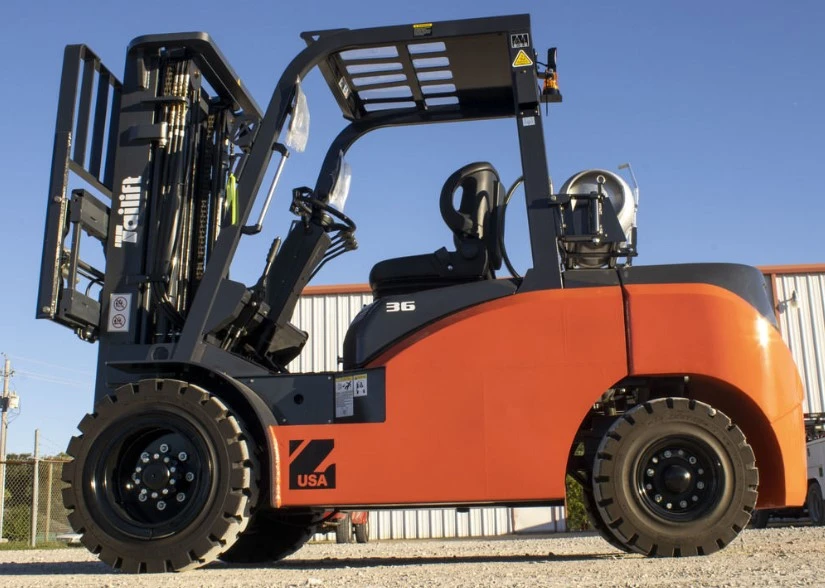

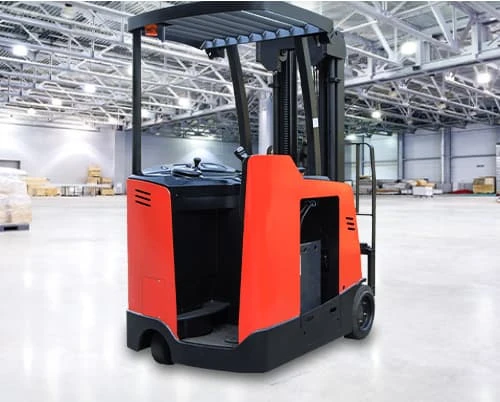
In today’s fast-paced industrial environment, the efficient operation of material handling equipment is paramount. Forklifts, essential for transporting goods and materials within warehouses and construction sites, require rigorous maintenance to ensure they operate safely and effectively. Routine forklift service and repair not only enhances the longevity of the equipment but also significantly impacts productivity and safety within the workplace.
Understanding Forklift Maintenance
Maintenance is defined as the process of preserving equipment in its optimal state. For forklifts, this involves regular inspections, parts replacements, and servicing to address wear and tear. A well-maintained forklift can function smoothly, reducing the risk of breakdowns that could halt operations and lead to costly delays. Regular maintenance checks allow businesses to identify potential issues before they escalate into major problems, ensuring that the forklifts are always ready for operation.
Moreover, neglecting forklift maintenance can lead to severe consequences. A machine that has not been properly serviced may not only underperform but can also pose safety risks to operators and other personnel working in proximity. Regular inspections help in pinpointing mechanical issues, ensuring that safety features are operational, and that the equipment adheres to industry standards.
Key Components of Forklift Maintenance
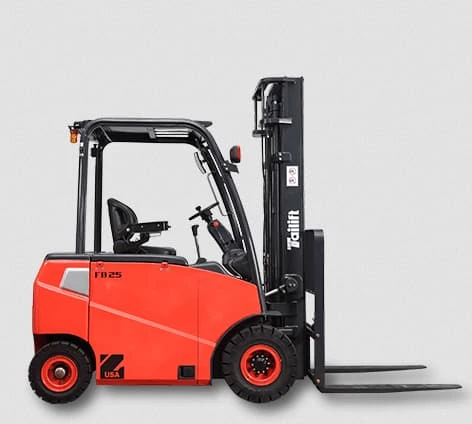
Routine forklift maintenance encompasses various aspects, each crucial for the overall performance of the equipment. One of the primary components is the inspection of the lifting mechanism. This includes checking the forks, mast, and carriage for any signs of wear or damage. If these components are not functioning correctly, it can lead to accidents, such as dropping loads or tipping over.
Another essential aspect is the maintenance of the hydraulic system. Forklifts rely heavily on hydraulic systems for lifting and lowering loads. Regular checks should be performed to ensure there are no leaks and that fluid levels are adequate. A malfunctioning hydraulic system can lead to significant operational inefficiencies and safety hazards.
Additionally, battery care is critical, especially for electric forklifts. Regularly charging batteries and ensuring they are in good condition extends their lifespan and ensures that the forklift operates efficiently. Battery maintenance includes checking the electrolyte levels and cleaning terminals to prevent corrosion.
Tires are another vital element of forklift maintenance. Properly inflated tires improve traction and stability, which is crucial for safe operation. Inspecting tires for wear and tear is essential, as damaged tires can compromise the forklift's performance and safety.
The Financial Implications of Neglecting Maintenance
Investing in routine forklift maintenance can lead to substantial cost savings in the long run. While some businesses may view maintenance as an unnecessary expense, the reality is that regular service can prevent significant repair costs that arise from neglect. When forklifts are not properly maintained, they are more likely to experience breakdowns, leading to unexpected expenses associated with emergency repairs and potential downtime.
Moreover, unplanned maintenance can disrupt workflow, affecting overall productivity. Delays caused by equipment failure can result in missed deadlines and dissatisfied customers, which can tarnish a business's reputation. Therefore, establishing a routine maintenance schedule is not just about keeping the equipment running; it’s about ensuring the business remains productive and competitive.
Enhancing Safety Through Maintenance
Safety is a fundamental concern in any workplace, and forklift operation is no exception. Routine maintenance plays a crucial role in minimizing the risk of accidents. Forklifts are powerful machines capable of lifting heavy loads, and when they malfunction, the consequences can be dire. Regular inspections and maintenance ensure that safety features, such as brakes, lights, and alarms, are functioning correctly.
Furthermore, training operators to recognize the importance of maintenance can empower them to take an active role in the safety of their workplace. Operators should be encouraged to conduct daily pre-operation checks, looking for any visible signs of wear or damage. This proactive approach not only enhances safety but also fosters a culture of responsibility and care within the organization.
The Role of Professional Forklift Service and Repair
While routine maintenance can often be performed by in-house staff, there are instances where professional forklift service and repair is necessary. Expert technicians possess the knowledge and experience to conduct thorough inspections and repairs that may be beyond the capabilities of standard personnel. They can identify complex issues that may not be immediately apparent and provide tailored solutions to ensure the forklift operates at peak performance.
Additionally, utilizing professional services can help businesses comply with regulatory requirements. Many industries require that equipment be maintained according to specific standards, and professional service providers are well-versed in these regulations. By partnering with a reputable service provider, businesses can ensure they are adhering to all necessary guidelines while keeping their equipment in optimal condition.
Establishing a Routine Maintenance Schedule
Creating a routine maintenance schedule is essential for ensuring that all forklifts are serviced regularly. This schedule should outline the frequency of inspections and maintenance tasks, tailored to the specific needs and usage patterns of the equipment. Factors such as the type of forklift, the intensity of use, and environmental conditions should all be considered when developing this plan.
It is also beneficial to keep detailed records of all maintenance performed. These records can be invaluable for tracking the performance of forklifts over time and can help identify patterns that may indicate the need for a change in maintenance practices. Furthermore, having comprehensive maintenance records can be advantageous during audits or inspections, showcasing a commitment to safety and compliance.
Conclusion
In conclusion, the importance of routine forklift maintenance cannot be overstated. It ensures the longevity of equipment, enhances safety, and ultimately contributes to the efficiency of operations within the workplace. Regular inspections and professional forklift service and repair are key components in maintaining optimal performance and preventing costly breakdowns. Businesses that prioritize maintenance not only protect their investments but also foster a safer and more productive working environment. For those seeking reliable support and expertise in forklift maintenance, Tailift Material Handling USA Inc stands ready to assist with comprehensive solutions tailored to meet specific operational needs.


























Sign in to leave a comment.