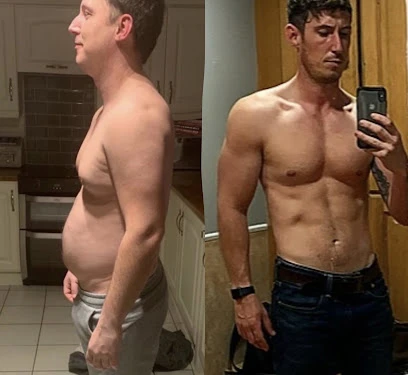

In today's fast-paced world, staying fit and healthy is more important than ever. With growing awareness around physical and mental well-being, more people are turning to structured fitness routines to achieve their goals. However, one of the key reasons many individuals struggle to see long-term results is a lack of consistency, planning, and accountability.
Structured training programs, supported by proper guidance, offer a more efficient and sustainable approach to health and fitness. Whether you're new to exercise or have been training for years, understanding how structured routines and accountability systems work can greatly improve your results.
Understanding Structured Fitness Programs
A structured fitness program is more than just a random mix of exercises. It is a planned and progressive system tailored to an individual's goals, fitness level, and lifestyle. These programs are typically based on:
- Progressive overload: Gradually increasing the intensity of workouts to promote muscle growth and endurance.
- Periodization: Dividing the training plan into phases such as strength building, fat loss, and maintenance.
- Rest and recovery: Balancing training with adequate rest to allow for muscle repair and overall recovery.
- Goal-specific training: Focusing on specific outcomes like fat loss, muscle gain, or improving cardiovascular health.
A good program will not only improve physical performance but also reduce the risk of injury by ensuring proper technique and workload distribution.
The Role of Habit Building in Fitness
One of the most overlooked aspects of fitness is habit formation. Many people start strong but lose motivation within a few weeks due to a lack of structure or realistic expectations. Incorporating fitness into daily life requires small, repeatable actions that eventually become habits.
For example, setting a consistent workout time, tracking meals, or simply ensuring enough daily movement can help build a strong foundation. When these habits are paired with a structured program, they lead to better long-term results.
Nutrition as a Supporting Pillar
No fitness routine is complete without attention to nutrition. Training and diet must work together. Even the best workout plan can fall short if not supported by proper eating habits.
A good nutrition plan should:
- Match your fitness goals (e.g., fat loss, muscle gain, or performance improvement)
- Be sustainable and enjoyable
- Include whole foods, balanced macros, and adequate hydration
- Allow flexibility to suit different lifestyles
Structured programs often include meal planning and tracking systems to support consistency and accountability.
Importance of Accountability in Training
Accountability can be the difference between success and stagnation in fitness. Having a system or person to check in with regularly increases the likelihood of staying committed. This could be a personal trainer, an online coach, a training partner, or even a digital tracking app.
Some ways accountability helps:
- Encourages consistency by keeping you on schedule
- Helps identify and overcome obstacles
- Provides motivation when progress feels slow
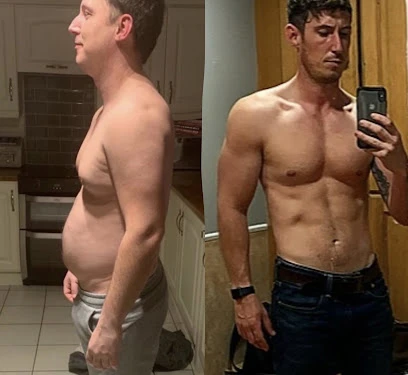
- Gives objective feedback based on data (e.g., weight lifted, body measurements, photos)
Accountability also brings a sense of responsibility to your fitness journey. When someone is checking in with you weekly or when you're logging your progress daily, you're more likely to stick with the plan.
Benefits of Combining Structure and Support
When structure and accountability come together, the results are often far more sustainable. This combination creates a system where motivation is no longer the only factor. Instead, the routine becomes part of your lifestyle.
Some key benefits include:
- Clear direction and measurable progress
- Better time management with efficient workout scheduling
- Improved mental focus and stress reduction
- More enjoyment as you start to see and feel results
Whether the support comes from a coach or a structured app, the key is having clear steps to follow and someone or something to track those steps with you.
Training for Different Lifestyles
One of the reasons people fail to stick with a workout program is that it doesn’t fit into their daily life. Modern training systems are now designed to be flexible. For example:
- Busy professionals can benefit from short, high-intensity workouts.
- Beginners may start with just two sessions a week and build consistency.
- Advanced lifters might follow progressive overload strategies over several months.
A customized approach ensures that the program adapts to the person—not the other way around.
Digital Tools and Modern Coaching
Technology has made it easier to follow structured programs from anywhere. Mobile apps now offer features like:
- Workout logging
- Meal tracking
- Video demonstrations for exercises
- Messaging and feedback from coaches
- Weekly check-ins and progress graphs
This makes it easier to stay consistent, even without in-person sessions.
Final Thoughts
Sustainable fitness is not about doing the most in the shortest amount of time. It’s about finding a system that works for you, supports your goals, and fits into your lifestyle. Structured training paired with accountability—whether through coaching, apps, or habit tracking—is one of the most effective ways to achieve real, lasting results.
If you're serious about improving your health and fitness, take the time to follow a program that offers both structure and support. Over time, this approach will help you build not only a stronger body, but a more disciplined and focused mind.





























Sign in to leave a comment.