
India’s tobacco market presents a unique paradox. The country is the world’s second-largest producer and exporter of raw tobacco leaf, yet it holds a less significant position in the global cigarette market. This article delves into the complexities of the Indian tobacco product market, exploring its segments, key players, regulations, and future trends.
Market Segmentation: Cigarettes Reign Supreme, But Smokeless Tobacco Holds Promise
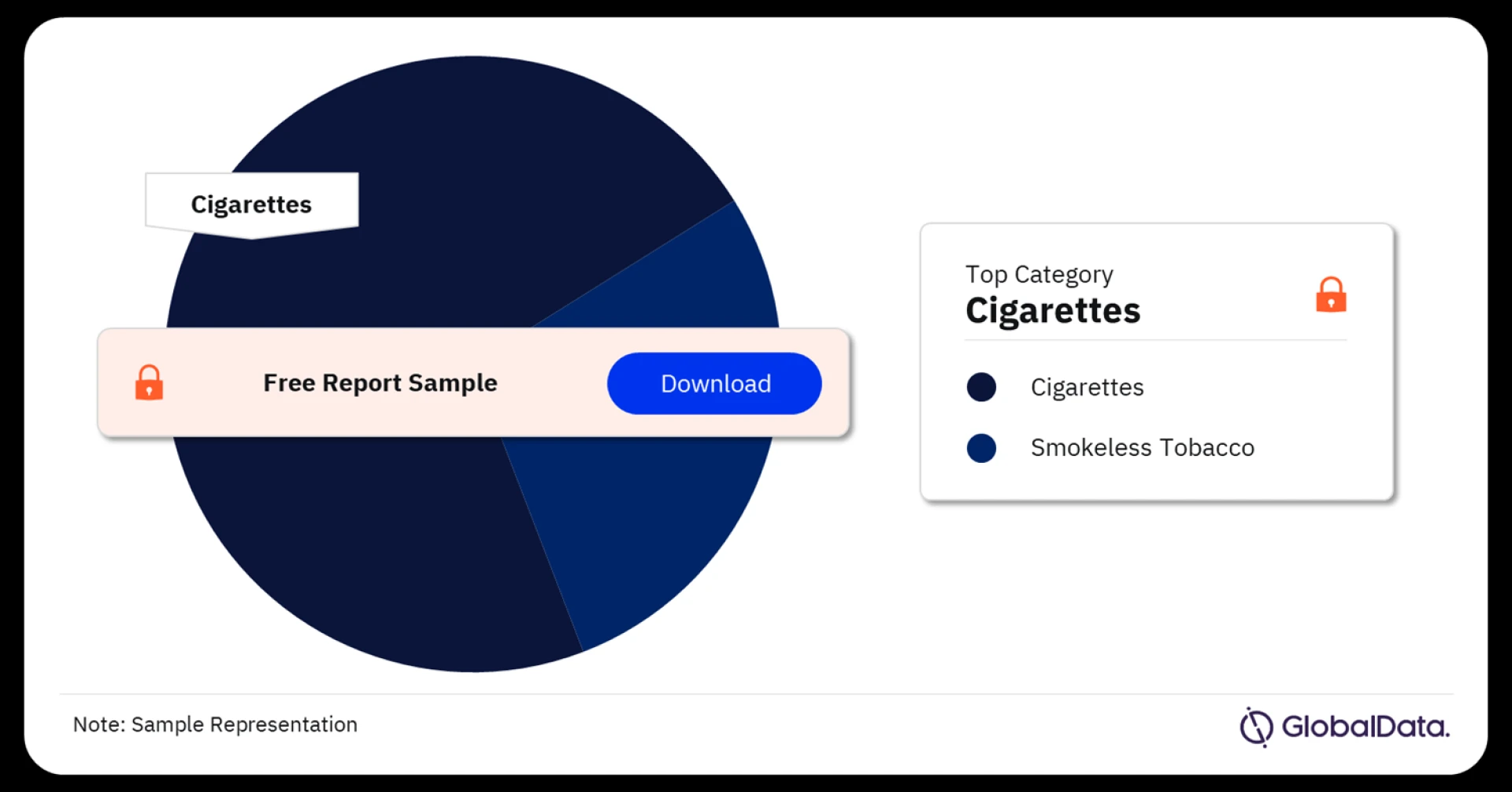
The Indian tobacco market can be broadly categorized into two segments: cigarettes and smokeless tobacco products.
- Cigarettes: Cigarettes dominate the market, accounting for a significant share of sales. The sector is characterized by a high degree of concentration, with four major companies — ITC Limited, Godfrey Phillips India Limited (GPI), VST Industries Ltd., and Philip Morris International (PMI) — controlling nearly 98% of the market share in 2022 [India Country Profile — TobaccoTactics].
- Smokeless Tobacco: This segment offers a diverse range of products, including chewing tobacco (khaini), snuff (zarda), and bidis (leaf-rolled cigarettes). The smokeless tobacco market is largely unorganized, with a significant presence of regional players. However, brand extensions by established companies and a growing focus on hygiene are driving a shift towards the organized sector [Tobacco in India | Market Research Report — Euromonitor].
Key Players: A Mix of Domestic Giants and International Players
The Indian tobacco market is a blend of domestic giants and international players with a limited presence due to foreign direct investment (FDI) restrictions.
- Domestic Players: ITC Limited is the undisputed leader, controlling a substantial portion of the cigarette market with popular brands like Wills Navy Cut and Gold Flake. Other notable domestic players include VST Industries and Godfrey Phillips India.
- International Players: While FDI in tobacco manufacturing is banned, international companies like Philip Morris International have entered the market through partnerships and licensing agreements with domestic players.
Regulatory Landscape: Balancing Revenue with Public Health Concerns
The Indian government treads a fine line between generating revenue from the tobacco industry and addressing public health concerns. Here’s a glimpse into the regulatory framework:
- Taxes and Duties: Cigarettes are heavily taxed, forming a significant source of government revenue. However, tax structures can incentivize the consumption of cheaper, unregulated products.
- Packaging and Labeling Regulations: Strict guidelines govern packaging and labeling of tobacco products, including mandatory health warnings.
- Ban on E-cigarettes: India has banned the sale and production of electronic cigarettes, citing concerns about their potential health risks.
The Future of the Indian Tobacco Products Market: Navigating Change
The Indian tobacco product market is poised for change, driven by several factors:
- Growing Health Awareness: Public health campaigns and rising awareness of tobacco-related diseases are likely to lead to a gradual decline in tobacco consumption, particularly cigarettes.
- Rise of Alternative Products: The ban on e-cigarettes might lead to a rise in heated tobacco products, which are perceived as less harmful but remain under regulatory scrutiny.
- Government Regulations: The government’s approach to taxation, advertising restrictions, and potential policy changes will significantly impact the market’s trajectory.
- Evolving Consumer Preferences: Changing consumer preferences, particularly among younger generations, might favor new product categories or less harmful alternatives.
Challenges and Considerations for the Tobacco Industry
The Indian tobacco industry faces several challenges in the evolving landscape:
- Declining Demand: The industry needs to adapt to a potentially shrinking consumer base for traditional tobacco products.
- Product Innovation: Focusing on innovation and potentially less harmful alternatives could be crucial for long-term sustainability.
- Corporate Social Responsibility: Addressing public health concerns and implementing responsible marketing practices can improve the industry’s image.
Conclusion: A Market in Transition
The Indian tobacco product market is at a crossroads. While cigarettes continue to dominate, changing regulations, health concerns, and evolving consumer preferences paint a picture of a market in transition. The industry’s success will depend on its ability to adapt to these changes, innovate, and navigate the complex regulatory environment.
Additional Considerations
- The impact of international trade agreements on the Indian tobacco industry.
- The role of black markets and illegal tobacco trade.
- The economic implications for tobacco-growing regions.
This article provides a starting point for understanding the complexities of the Indian tobacco product market. Further research into specific segments, regulations, and future trends can offer deeper insights.
Disclaimer: Tobacco use is a major cause of preventable diseases and death. This article is for informational purposes only and does not promote tobacco use.
Buy the Full Report for More Insights into the India Tobacco Products Market Forecast, Download A Free Report Sample



























Sign in to leave a comment.