
Walk into any modern hospital, warehouse, mall, or manufacturing plant and you’ll notice the ongoing activities. Forklifts move. Trucks arrive and depart. People coordinate. Pallets travel. But the true revolution is not in what moves. It is in how movement is being engineered.
Behind every efficient and fully functional building lies a silent system – a choreography of controlled access points, vertical lifts, and seamless loading transitions. The industrial evolution has not been loud. It has only been super precise.
And at the heart of that evolution stand three quiet powerhouses: the overhead doors, the elevator, and the Dock Levelers.
The Elevator – Redefining Vertical Ambition
The industrial story of the elevator isn’t just about going up and down. It’s about redefining space itself. Before elevators, buildings were limited by human endurance. The higher you climbed, the less desirable the space became.
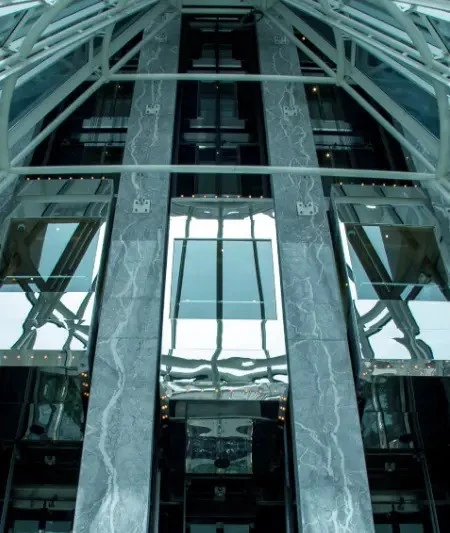
Elevators changed that equation permanently. Suddenly, height wasn’t a burden. It was a value. When it comes to industrial movements, elevators do more than just carrying people. Freight elevators move material between production floors, service elevators synchronize logistics inside complex facilities, and hospital lifts transport critical supplies.
As Henry Ford once said,“Coming together is a beginning. Keeping together is progress. Working together is success.” An elevator embodies that philosophy. It connects levels so operations remain unified rather than something done in fragments.
Overhead Doors – The Efficient Gatekeepers
Please don’t think that movement is only vertical. It is controlled entry and exit. It is timing, insulation, and protection. Industrial overhead doors are often underestimated. Yet they determine how energy is preserved, how quickly operations respond, and how secure goods remain.
When you have a poorly designed door installed, temperature control gets disrupted. It increases energy consumption and slows down dispatch. On the other hand, a well-designed overhead door becomes part of the building’s nervous system.
Not just that, but modern overhead doors now utilize automated sensors, climate-sealed panels, and swift roll-up systems. In temperature sensitive industries like cold storage or pharmaceuticals, these doors protect millions in inventory.
Dock Levelers – The Logistics Bridge
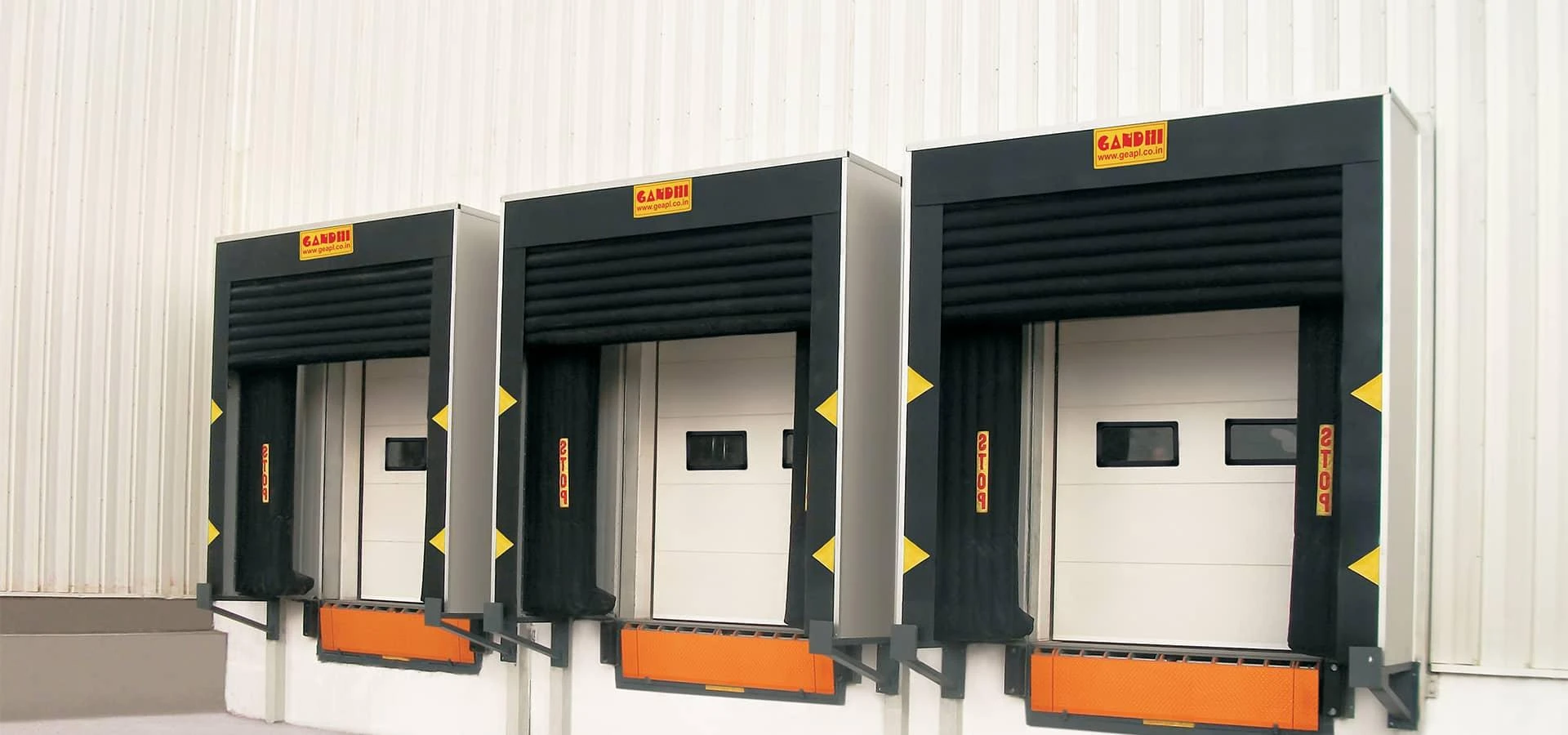
If elevators move vertically and doors control entry, don’t for a second think that Dock Levelers are not as important as the other two. They solve one of the most overlooked industrial challenges: the transition between truck and building.
A difference of even a few inches between a loading dock and a trailer can create delays, instability, and safety risks. Dock levelers eliminate that gap completely. They create a stable bridge. They absorb impact. They also adjust dynamically to load shifts. In a world obsessed with speed, dock levelers quietly protect the work rhythm.
Modern docking systems include hydraulic controls, impact-resistant platforms, and lip extensions. They help in reducing accidents and protect forklifts from uneven transitions. Not only that, but when integrated correctly, they shorten loading times and prevent product damage.
The Bigger Picture: Movement as a Philosophy
Movement in industry is no longer brute force. It’s calculated flow and all three of them help in achieving that. Together, elevators, overhead doors, and dock levelers form a movement ecosystem.
The beauty of these systems lies in their simplicity as they do exactly what they’re meant to do – reliably. Last thing to mention is that the future of industry will not be defined by bigger machines. It will be defined by smarter transitions and smooth operators.



























Sign in to leave a comment.