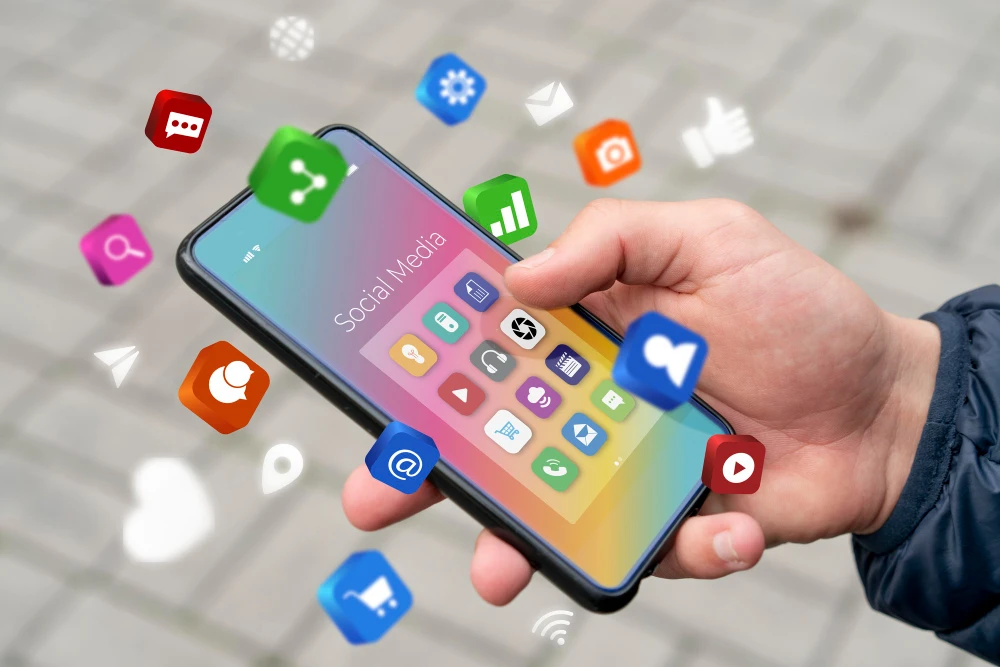

Top Social apps offer a stage for individuals and organizations to amplify their voices on political and social issues. Whether it's sharing personal stories, organizing rallies, or advocating for policy changes, these platforms empower grassroots movements and marginalized communities to reach a wider audience than ever before.
Mobilizing Movements:
The viral nature of social media enables political movements and activist campaigns to mobilize supporters quickly and effectively. Platforms like Twitter and Facebook serve as virtual hubs for organizing protests, fundraising campaigns, and other forms of direct action. This accessibility has democratized activism, making it more inclusive and participatory.
Holding Power Accountable:
Social media serves as a watchdog, holding political leaders and institutions accountable for their actions. Through real-time updates, live streams, and citizen journalism, users can expose government corruption, human rights abuses, and other injustices. This transparency forces policymakers to be more responsive to public concerns and demands for change.
Shaping Public Opinion:
Top Social apps play a crucial role in shaping public opinion and influencing political discourse. Platforms like Twitter serve as digital town halls, where politicians, pundits, and citizens engage in debates and discussions about pressing issues. However, the echo chamber effect can also contribute to the spread of misinformation and polarization of political beliefs.
Voter Engagement and Education:
Social media platforms are valuable tools for voter engagement and education, especially among younger demographics. Organizations and campaigns utilize platforms like Instagram and TikTok to register voters, share candidate information, and promote civic participation. Additionally, social media algorithms personalize content to users' interests, ensuring they are exposed to relevant political information.
Challenges:
Disinformation and Misinformation:
One of the biggest challenges of social media in politics is the proliferation of disinformation and misinformation. False news stories, propaganda, and conspiracy theories can spread rapidly, misleading millions of users and eroding trust in democratic institutions. Addressing this issue requires a concerted effort involving platform moderation, media literacy education, and fact-checking initiatives.
Polarization and Divisiveness:
Social media algorithms often prioritize engaging content, leading to the amplification of extreme viewpoints and the polarization of political discourse. This "filter bubble" effect can make it difficult for users to engage with opposing perspectives, fostering division and tribalism within society.
Online Harassment and Trolling:
Politicians, activists, and ordinary users face online harassment and trolling on social media platforms. The anonymity and distance provided by these platforms can embolden individuals to engage in abusive behavior, silencing dissenting voices and deterring civic engagement.
Conclusion:
In conclusion, top social apps wield significant influence over politics and activism, offering unprecedented opportunities for engagement and participation. While these platforms empower individuals to amplify their voices, mobilize movements, and hold power accountable, they also present challenges such as the spread of disinformation, polarization of discourse, and online harassment. It's imperative for users to critically engage with social media and advocate for a digital environment that fosters transparency, accountability, and inclusive dialogue.























Sign in to leave a comment.