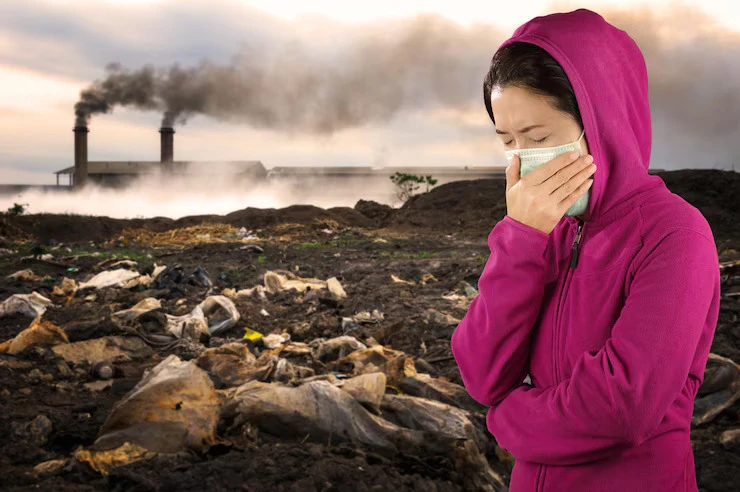

Pollution, an unwelcome byproduct of industrialization and modern living, has silently infiltrated every corner of our planet – from the air we breathe to the water we drink and the food we consume. While often unseen or overlooked in our daily routines, its pervasive effects on human health are undeniable and increasingly alarming. Understanding these impacts is the first step towards advocating for a healthier environment and safeguarding our own well-being.
Air Pollution: A Silent Assault on Our Lungs and Beyond
Air pollution is perhaps the most immediate and widespread threat. Microscopic particulate matter (PM2.5 and PM10), ozone, nitrogen dioxide, sulfur dioxide, and carbon monoxide – all common air pollutants – don't just cause hazy skies; they penetrate deep into our respiratory and circulatory systems.
- Respiratory Illnesses: Chronic exposure can lead to asthma, bronchitis, emphysema, and increased susceptibility to respiratory infections. Children and the elderly are particularly vulnerable.
- Cardiovascular Diseases: Fine particulate matter can enter the bloodstream, contributing to inflammation, hardening of the arteries, heart attacks, and strokes.
- Neurological Impacts: Emerging research suggests links between air pollution and neurodegenerative diseases like Alzheimer's and Parkinson's, as well as developmental issues in children.
- Cancer: Long-term exposure to certain air pollutants, such as benzene and formaldehyde, is a known risk factor for various cancers, including lung cancer.
Water Pollution: Contaminating the Source of Life
Access to clean, safe drinking water is a fundamental human right, yet water sources worldwide are increasingly contaminated by industrial waste, agricultural runoff, sewage, and plastic microfibers.
- Gastrointestinal Diseases: Contaminated water can transmit bacteria, viruses, and parasites, leading to cholera, dysentery, typhoid, and other severe gastrointestinal illnesses.
- Heavy Metal Poisoning: Industrial discharge can introduce heavy metals like lead, mercury, and arsenic into water supplies, causing kidney damage, neurological disorders, and developmental problems.
- Reproductive Issues: Certain chemical pollutants in water, like phthalates and PCBs, are known endocrine disruptors, potentially impacting fertility and reproductive health.
Soil Pollution: Poisoning Our Food Chain
Soil, the foundation of our food production, is increasingly polluted by pesticides, herbicides, industrial chemicals, and improper waste disposal.
- Contaminated Food: Crops grown in polluted soil can absorb harmful substances, transferring them into the human food chain. This can lead to chronic health issues depending on the specific contaminants.
- Reduced Nutritional Value: Soil degradation due to pollution can also lead to crops with lower nutritional content, impacting overall public health.
Other Forms of Pollution and Their Health Effects
- Noise Pollution: Chronic exposure to high levels of noise (from traffic, construction, etc.) can lead to stress, sleep disturbances, high blood pressure, and even hearing loss.
- Light Pollution: Excessive artificial light at night disrupts our circadian rhythms, potentially impacting sleep quality, hormone regulation, and increasing the risk of certain chronic diseases.
- Plastic Pollution: Microplastics, now ubiquitous in our environment, are being ingested by humans through food, water, and air. While the full extent of their health impact is still under research, concerns include potential inflammation, gut microbiome disruption, and the leaching of harmful chemicals.
What Can Be Done?
Addressing pollution requires a multi-faceted approach involving governments, industries, communities, and individuals. Policy changes for stricter emission controls, investment in renewable energy, sustainable waste management, and improved public transportation are crucial. On an individual level, we can contribute by reducing our carbon footprint, conserving water, recycling, and making conscious consumer choices.
For those experiencing severe health issues potentially linked to environmental factors, seeking medical attention is paramount. A visit to a hospital in Dwarka can provide access to specialized diagnostics and treatment plans for conditions exacerbated or caused by pollution, ensuring comprehensive care for affected individuals.
Ultimately, protecting human health from the pervasive threat of pollution demands collective action and a commitment to fostering a cleaner, safer, and more sustainable environment for current and future generations. The health of our planet and our own well-being are inextricably linked.































Sign in to leave a comment.