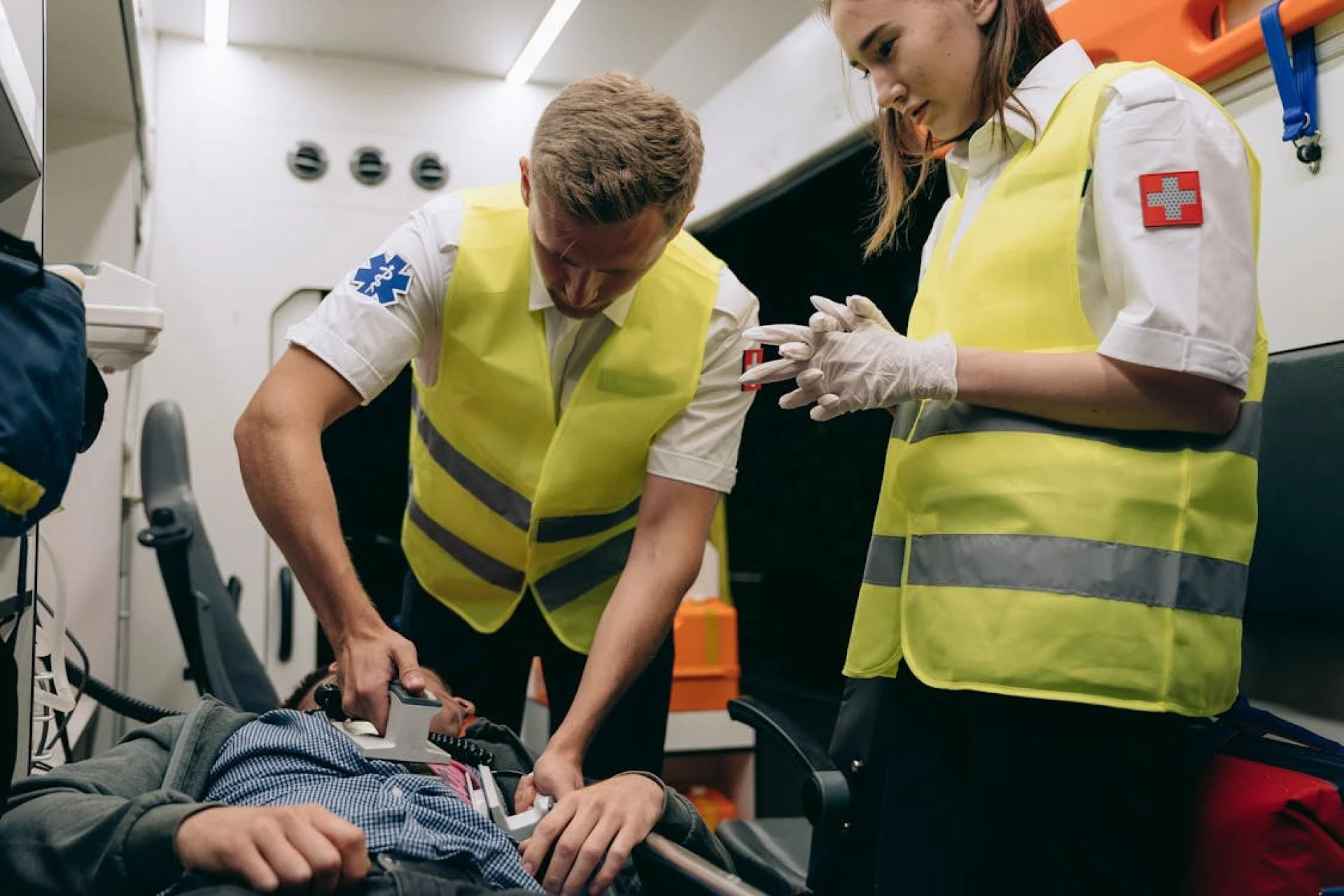

In the face of emergencies, every second counts. Whether it\'s a sudden cardiac arrest, a severe injury, or a medical crisis, the ability to provide immediate assistance can make all the difference between life and death. This is where the invaluable importance of first-aid training shines through. A comprehensive first aid course arms individuals with the knowledge and skills necessary to respond swiftly and effectively in critical situations, potentially saving lives in the process.
Equipping for Emergencies
First aid training goes beyond simple bandaging techniques; it encompasses a wide range of skills designed to address various medical emergencies. One of the fundamental aspects of such training is cardiopulmonary resuscitation (CPR). Knowing how to perform CPR can be the difference between a person surviving or succumbing to cardiac arrest before professional medical help arrives. With each compression and breath, the chances of restoring normal heart function increase, underscoring the vital role of CPR in saving lives.
Moreover, first aid courses educate individuals on managing bleeding, stabilizing fractures, and assessing and responding to breathing difficulties. These skills are essential not only in everyday scenarios but also in critical situations where immediate action is paramount. By equipping individuals with the ability to recognize and respond to emergencies effectively, first aid training empowers them to be proactive contributors to the well-being of their communities.
A Rapid Response to Crisis
In emergencies, time is of the essence. First aid training emphasizes the importance of a rapid response, teaching individuals how to assess the situation quickly and take appropriate action. Whether it\'s administering first aid to a victim of a car accident or providing assistance to someone experiencing a severe allergic reaction, the ability to act swiftly can significantly impact the outcome.
Furthermore, first aid training instills confidence in individuals, enabling them to remain calm and composed even in high-pressure situations. This confidence not only facilitates better decision-making but also reassures the injured party, providing them with the support they need during a time of crisis.
Preventing Further Harm
Beyond providing immediate assistance, first aid training emphasizes the importance of preventing further harm to the injured individual. Techniques such as immobilizing fractured limbs, stabilizing spinal injuries, and controlling bleeding are crucial in minimizing additional damage and promoting the best possible outcome for the patient.
By understanding how to assess injuries and apply appropriate interventions, individuals with first aid training can mitigate the risk of complications and facilitate the injured person\'s recovery process. This proactive approach to injury management underscores the preventive aspect of first aid and its role in promoting long-term well-being.
Empowering Communities
The benefits of first aid training extend beyond individual preparedness; they extend to entire communities. In times of crisis, such as natural disasters or mass casualties, trained individuals can step up to provide essential assistance until professional help arrives. Whether it\'s administering first aid at the scene of an accident or organizing emergency response efforts during a disaster, the collective impact of trained individuals can be profound.
By raising awareness about the importance of first aid and encouraging widespread participation in training programs, communities can become more resilient and better equipped to handle emergencies when they arise.
Conclusion
In the face of emergencies, the ability to provide immediate assistance can mean the difference between life and death. First aid training plays a crucial role in empowering individuals to respond effectively to medical emergencies, potentially saving lives in the process. By equipping individuals with the knowledge and skills necessary to assess situations, administer appropriate interventions, and prevent further harm, first aid training serves as a cornerstone of emergency preparedness. As communities embrace the importance of first aid education and foster a culture of safety and resilience, they pave the way for a safer and more secure future for all.





























Sign in to leave a comment.