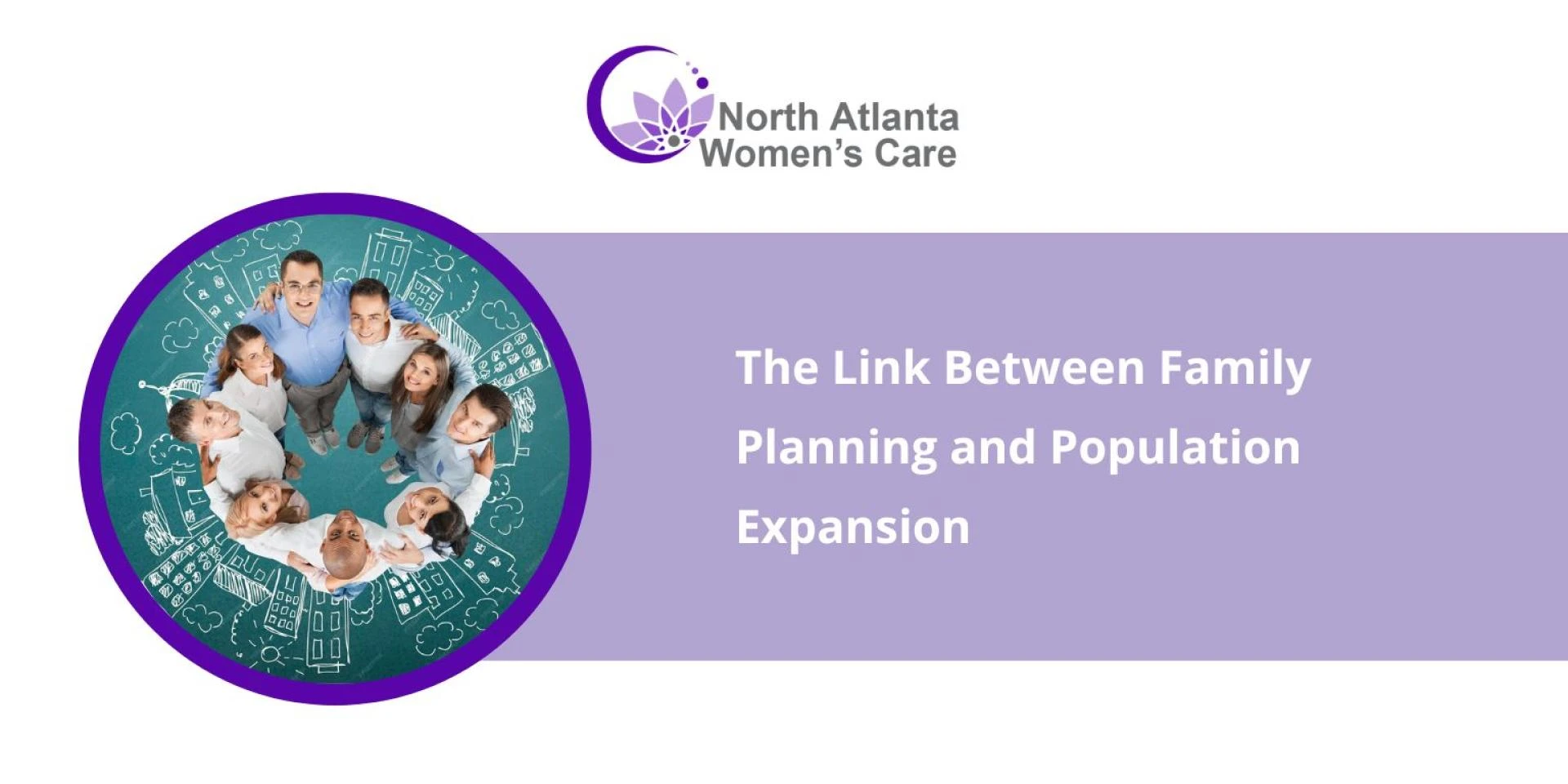

Family planning is a vital aspect of public health and sustainable development. It provides individuals and couples the ability to decide freely and responsibly the number and spacing of their children. While often viewed through the lens of reproductive health, family planning also plays a critical role in influencing global population dynamics.
This article explores the connection between family planning and population growth, highlighting the broader social, economic, and environmental implications.
Understanding Family Planning
Family planning encompasses a range of practices that support the intentional timing and spacing of pregnancies. It includes the use of contraceptive methods, fertility awareness, and access to comprehensive reproductive health services.
The main objectives of family planning are:
- To prevent unintended pregnancies
- To protect the health of mothers and children
- To promote individual autonomy in reproductive decision-making
By ensuring access to family planning, individuals are better equipped to make informed choices regarding reproduction, which in turn has a significant impact on population trends.
The Relationship Between Family Planning and Population Growth
Population growth occurs when birth rates consistently exceed death rates over time. In many parts of the world - particularly in low- and middle-income countries - high fertility rates contribute to rapid population increases. Family planning directly influences this by reducing the number of unintended or closely spaced pregnancies, thereby contributing to lower fertility rates.
1. Decline in Fertility Rates
Widespread access to family planning services leads to a measurable decline in fertility rates. Countries that have implemented effective family planning programs have seen a consistent decrease in average family size. For instance, national initiatives in countries like Iran and Bangladesh have demonstrated how policy, education, and health services can result in demographic shifts within a generation.
2. Improvements in Maternal and Child Health
Planned pregnancies are generally safer for both mothers and infants. When women can space their pregnancies appropriately, they are more likely to experience better health outcomes. Healthier families tend to have fewer children, thereby contributing to a gradual stabilization of population growth.
3. Delayed Childbearing Among Adolescents
Access to reproductive education and family planning services helps reduce adolescent pregnancies. Delaying the age of first childbirth typically results in fewer children over a woman’s lifetime, thereby reducing the overall population growth rate.
Broader Impacts of Population Stabilization
The benefits of moderated population growth extend beyond reproductive health. They influence several key areas of societal development:
Economic Implications
When families have fewer children, they are better able to allocate resources such as food, education, and healthcare. On a national level, slower population growth can lead to a more favorable ratio of working-age adults to dependents, often referred to as the demographic dividend. This shift supports increased productivity and economic development.
Environmental Sustainability
Rapid population growth places considerable pressure on natural resources and ecosystems. Slower growth reduces strain on water supplies, food systems, housing, and energy. It also contributes to reduced greenhouse gas emissions and a lower ecological footprint, thereby supporting global sustainability goals.
Barriers to Family Planning
Despite its clear benefits, access to family planning services remains uneven. Many individuals face barriers such as:
- Lack of reproductive health education
- Cultural or religious opposition
- Limited access to services in rural or impoverished areas
- Gender-based constraints on decision-making
It is estimated that more than 200 million women globally who wish to avoid pregnancy are not using modern methods of contraception. Addressing these gaps requires multi-sectoral efforts involving policy reform, healthcare investment, and community engagement.
The Role of Policy and Advocacy
Governments, non-governmental organizations, and international agencies play a critical role in advancing access to family planning. Successful programs typically integrate healthcare delivery, public awareness campaigns, and education initiatives.
For example, Rwanda’s national family planning program, driven by community health workers and supported by political commitment, has significantly increased contraceptive use and reduced fertility rates.
Conclusion
Family planning is a cornerstone of public health and an essential tool for managing population growth. By empowering individuals with the knowledge and resources to make informed reproductive choices, societies can achieve improved health outcomes, economic advancement, and environmental sustainability.
As the global population continues to rise - especially in regions with limited infrastructure - investments in comprehensive, equitable family planning services remain both a practical necessity and a moral imperative.
Disclaimer: Please note that this information is for educational purposes only. There is no patient-doctor relationship established. Please consult your healthcare provider for individualized recommendations.



























Sign in to leave a comment.