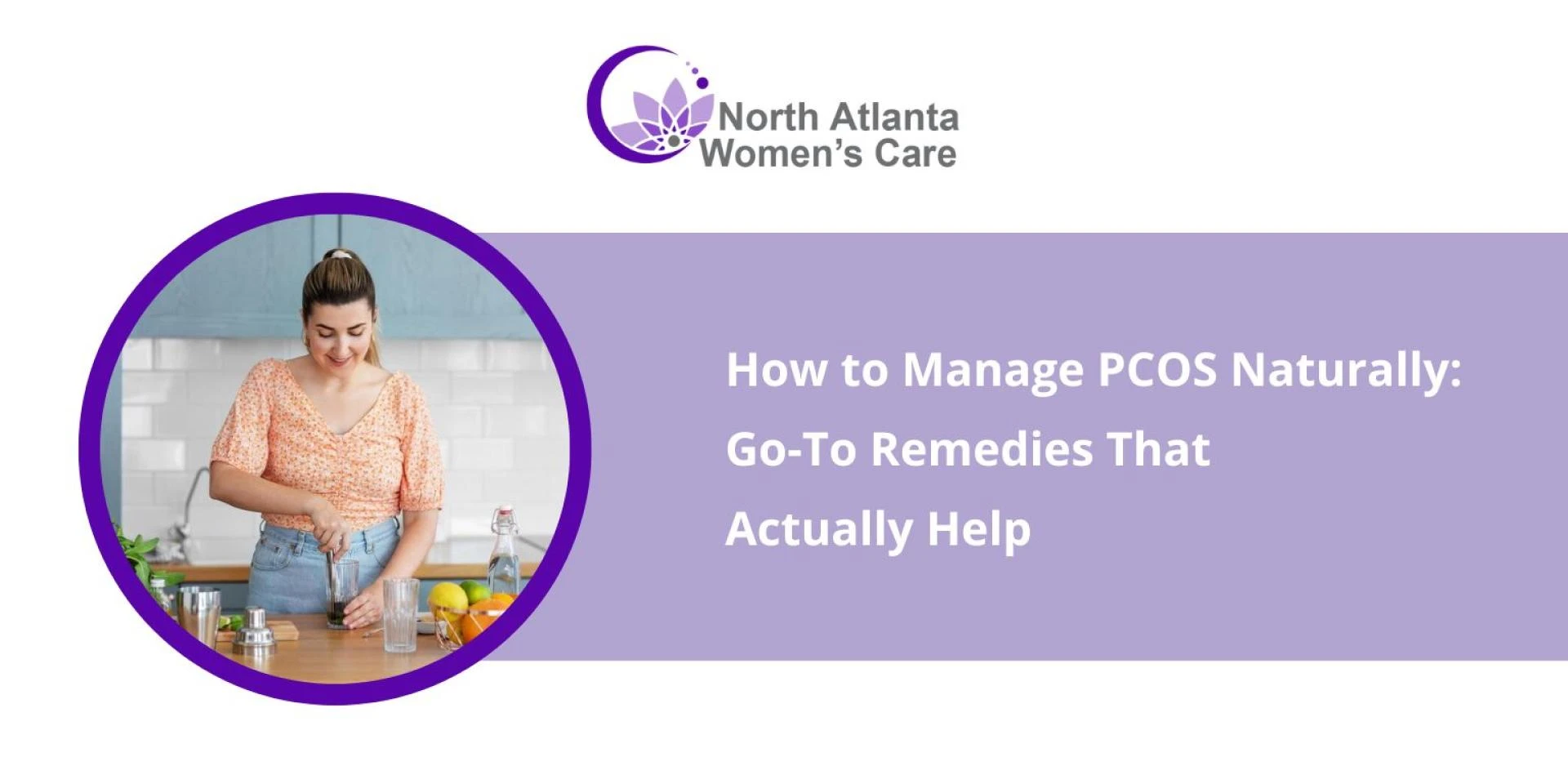

If you’ve been recently diagnosed with PCOS or have been dealing with it for a while, you probably know how frustrating and overwhelming it can be. I’ve been there - dealing with irregular periods, sudden weight gain, stubborn acne, and feeling like my hormones were constantly out of whack.
Over the years, I’ve learned that there’s no “one-size-fits-all” fix for PCOS. But I’ve also discovered some natural approaches that have really helped me feel more in control of my body again. These remedies aren’t magic, but they’ve made a big difference for me - and maybe they’ll help you too.
Here’s what’s worked for me, naturally and without any meds.
1. Cleaning Up My Diet (Without Going Overboard)
Let’s be real - no one wants to eat boiled broccoli for every meal. But making some mindful food choices changed a lot for me.
I started focusing on whole, unprocessed foods - veggies, fruits, lean protein, and healthy fats. I also paid more attention to reducing sugar and white carbs, which used to send my energy (and moods) on a rollercoaster. Swapping white bread for whole grains and sugary drinks for water or herbal teas made a noticeable difference.
And the best part? I didn’t have to “diet” - just eat in a way that made me feel balanced and energized.
2. Moving My Body in Ways I Actually Enjoy
Exercise used to feel like a chore. But with PCOS, I realized it’s not about burning calories - it’s about feeling better.
I found that a mix of brisk walks, strength training, and yoga worked wonders for me. Even 20–30 minutes a day helped regulate my mood, ease bloating, and get my cycles a bit more on track. And honestly, yoga has been amazing for calming my mind, especially when stress starts creeping in (which, as we know, doesn’t help PCOS).
3. Keeping My Blood Sugar in Check
This one was huge. PCOS often comes with insulin resistance, which I didn’t fully understand until I looked into it. Basically, my body wasn’t responding to insulin well, so I’d get energy crashes and cravings that felt out of control.
Now I make sure my meals are balanced with protein, fiber, and healthy fats, and I try not to go too long between meals. It’s simple things - like adding eggs and avocado to breakfast or snacking on nuts instead of chips - that help me feel full and stable.
4. Prioritizing Sleep (Yes, It Matters)
I used to think sleep was optional. But when I started getting consistent, restful sleep, I noticed fewer mood swings, less bloating, and more regular cycles.
What helped me: sticking to a regular bedtime, cutting off screen time about an hour before bed, and making my room super cozy and dark. A little lavender oil doesn’t hurt either.
5. Stress Reduction = Hormone Help
I didn’t realize how much stress was affecting my hormones until I actively worked on managing PCOS. When I’m constantly stressed, my symptoms flare up - especially my cycle and skin.
So now, I take time each day to breathe, meditate, journal, or just sit quietly. Even 10 minutes helps. Some days it’s a walk in the sun; other days, it’s just saying “no” to something that drains me. Managing stress isn’t selfish - it’s necessary.
6. Natural Support I’ve Tried
Now, I’m not one to load up on a dozen supplements, but there are a few natural things I’ve tried that seemed to help me personally:
- Spearmint tea: I drink a cup a day - it’s known to help reduce excess androgens (those pesky male hormones).
- Cinnamon: I sprinkle it in oatmeal or smoothies; it may help with blood sugar balance.
- Turmeric: Great for inflammation - I use it in golden milk or cooking.
Again, always do your own research and talk to someone you trust if you’re thinking of trying anything new.
7. Gut Health: An Unexpected Game-Changer
This one surprised me. Once I started taking care of my gut - by eating more fermented foods like yogurt and kimchi, and loading up on prebiotic fiber - I noticed less bloating, better digestion, and (weirdly enough) clearer skin.
Gut health and hormones are more connected than we think.
8. Tracking Everything Gave Me Control
I use a simple app to track my period, moods, cravings, energy levels, and sleep. It helps me spot patterns and figure out what triggers my symptoms.
Knowledge really is power when it comes to PCOS.
Final Thoughts
If you're dealing with PCOS, know this: you’re not alone, and you’re not broken. It takes time, experimentation, and patience to figure out what works for you. These natural remedies aren’t about being perfect - they’re about listening to your body and showing it some love.
You don’t have to overhaul your life overnight. Start small, stay consistent, and trust that change is possible.
Disclaimer: Please note that this information is for educational purposes only. There is no patient-doctor relationship established. Please consult your healthcare provider for individualized recommendations.

























Sign in to leave a comment.