

Acne rarely starts with one issue. Most people walk into a clinic blaming oily skin, hormones, stress, or the wrong cleanser, only to find out their skin tells a completely different story. That’s where proper Skin Analysis changes the game. Without it, acne treatment often turns into expensive guesswork.
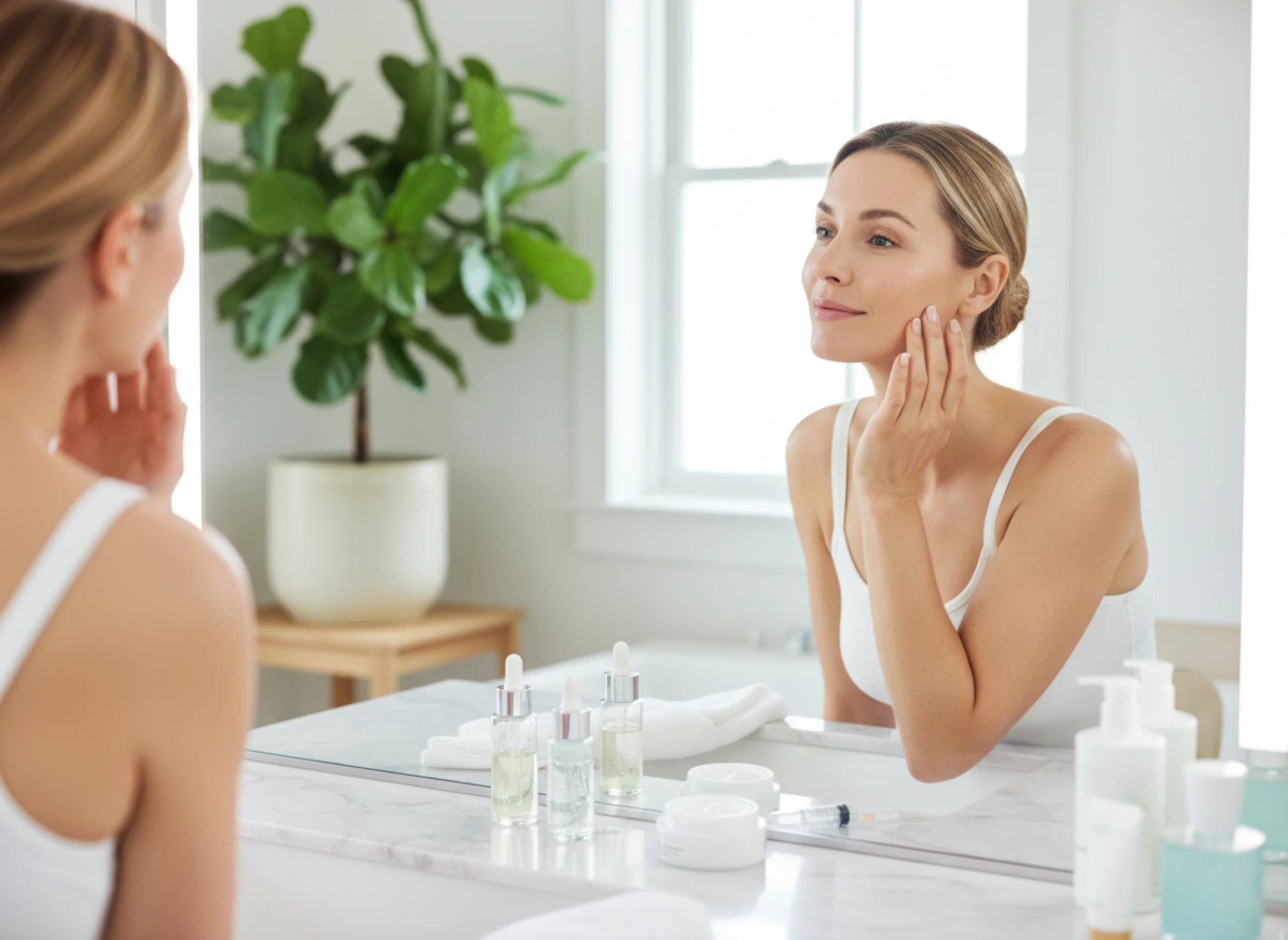
More people now search for Skin Analysis Near Me before booking facials or peels, and for good reason. A detailed assessment gives practitioners a close look at congestion, inflammation, dehydration, sun damage, and bacterial activity beneath the surface. That information shapes treatments that actually work, rather than aggravating already sensitive skin.
Why Acne Treatments Fail So Often
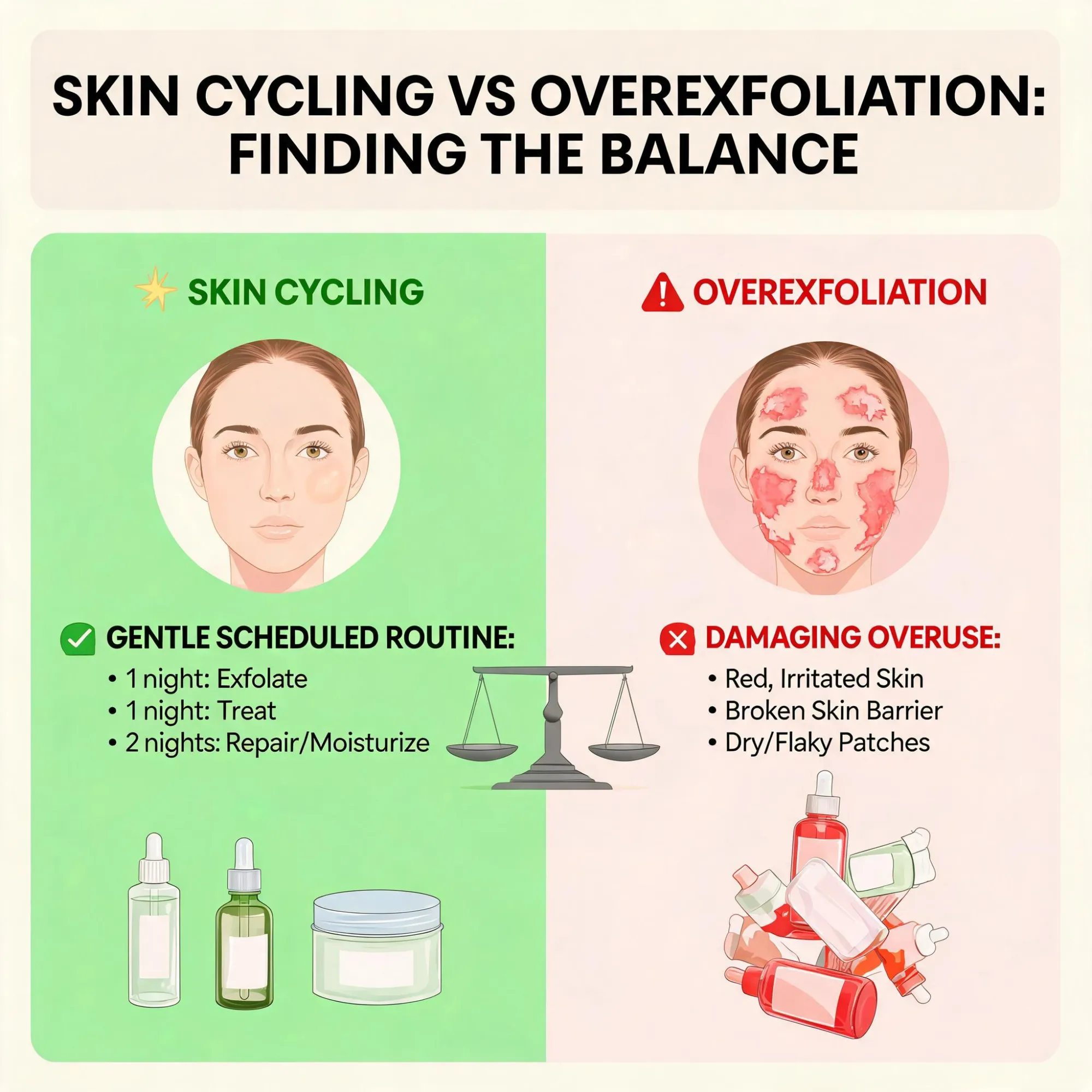
Many acne sufferers treat symptoms rather than causes. They overload their skin with drying products, harsh scrubs, or trending ingredients from TikTok. The result? A damaged barrier, more breakouts, and lingering pigmentation.
A professional skin assessment identifies issues that the naked eye often misses, including:
- Hidden UV damage
- Excess sebum production
- Dehydration beneath oily skin
- Enlarged pores
- Early inflammation
- Bacterial spread patterns
Clinics using VISIA technology or advanced imaging systems can track these concerns with far more accuracy than a standard consultation.
Skin Analysis Creates Targeted Treatment Plans
One of the biggest mistakes clinics make involves prescribing identical treatments to every acne patient. Skin simply doesn’t work that way.
A teenager with hormonal breakouts around the jawline needs a completely different approach from an adult struggling with dehydration and cystic acne caused by stress or medication.
After a professional Skin Analysis, practitioners can recommend treatments with far more precision, such as:
LED Light Therapy
Useful for reducing acne bacteria and calming inflammation without irritating sensitive skin.
Chemical Peels
Not every acne patient needs aggressive peels. Some require gentler exfoliation to avoid post-inflammatory pigmentation, especially in darker skin tones common across South Africa.
Medical-Grade Skincare
A proper assessment helps identify ingredients that support healing rather than strip the skin barrier.
Dry Skin Treatment for Acne-Prone Skin
Many people feel shocked when they discover their acne comes from dehydration rather than excess oil. In these cases, a tailored Dry Skin Treatment often improves breakouts faster than strong acne products.
A thorough Skin Analysis allows clinics to adjust skincare routines throughout the year instead of keeping patients on the same products indefinitely.
This flexibility improves long-term treatment success and reduces flare-ups caused by environmental stress.
Tracking Progress Builds Better Results
Acne treatment takes time. Most people expect instant results after one peel or facial, then give up too early.
Digital skin imaging helps patients see progress beyond surface-level breakouts. Practitioners can compare inflammation levels, pore condition, pigmentation, and texture improvements over several months.
That visual tracking often keeps patients motivated when healing slows down temporarily.
It also prevents overtreatment. Many clinics continue aggressive procedures long after the skin starts improving. Proper imaging helps practitioners recognise when skin needs recovery rather than another intensive treatment.
Final Thoughts
Successful acne treatment starts with understanding the skin properly. A professional Skin Analysis gives practitioners the information they need to treat acne with accuracy instead of assumptions.




















Sign in to leave a comment.