
Introduction
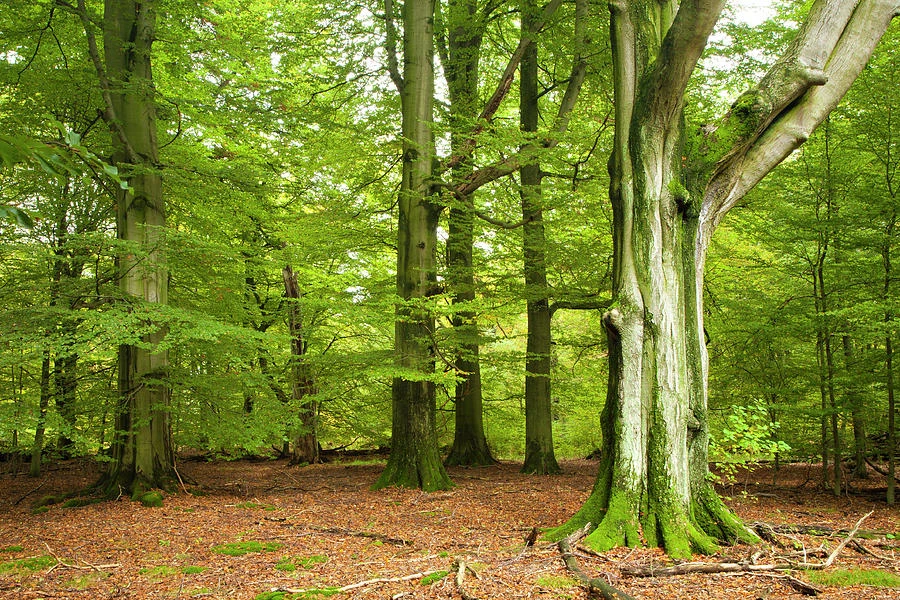
Trees have been standing silently on Earth for millions of years. More than mere constituents of the landscape, they are vibrant symbols of life, climate regulatory forces, and indeed symbols of resilience. The multidimensional roles played by trees, their ecological significance, cultural impacts, and threats in contemporary society are explored herein.
Ecological Significance
Trees form the most important constituents in maintaining the ecological balance of the Earth. They are the lungs of our planet, consuming CO2 and returning oxygen through photosynthesis. One mature tree produces enough oxygen for two humans to breathe for an entire year. Trees also behave as carbon sinks, storing carbon and combating climate change. Forests, which cover approximately 31 percent of the Earth\'s land, are crucial in this regard.
Trees also support biodiversity through habitat and food provisions for many species. This is from minute insects to large mammals in which many organisms rely on trees for survival. The canopy, trunk, and roots of a tree form microhabitats that accommodate diverse forms of life. A clear case is where a single oak tree can sustain up to 500 different species of insects, birds, and mammals.
Climate Regulation and Environmental Benefits
Beyond their role in carbon sequestration, trees affect local and global climates. They accomplish this through the provision of shade and cooling via transpiration, hence regulating temperature. Tree-covered areas within an urban setup usually record comparatively low temperatures than areas with minimal green spaces, a phenomenon called the urban heat island effect.
Trees play a very vital role in the water cycle. Their roots form part of the recharge process for groundwater, allowing the rainwater to infiltrate into the soil and thereby reduce runoff and prevent erosion. The risks of floods and landslides—such natural disasters—are reduced because trees, with their root systems, bind the soil.
Economic Value:
The economic value of trees is something which cannot be overemphasized. They provide raw materials for many industries, from timber and paper to pharmaceuticals. The global timber market was in hundreds of billions of dollars. Non-timber forest products such as fruits, nuts, resins, and medicinal plants are very important in local and world economies.
It also increases property values; landscaped homes and neighborhoods with mature trees are most attractive and can often command premium prices. Trees reduce energy costs for residents in many urban areas by providing shade in the summertime and windbreaks during the winter, thus reducing both heating and cooling expenses.
Cultural and Social Importance
Trees have formed a part of human culture and spirituality for thousands of years. Indeed, many ancient civilizations worshiped trees or regarded them as sacrosanct. For instance, the Bodhi tree in India, under which Siddhartha Gautama experienced enlightenment, is a symbol of wisdom and spiritual growth within Buddhism. Much the same, the olive tree was considered sacred by the ancient Greeks to Athena, the goddess of wisdom.
Trees have symbolized this strength, endurance, and renewal in literature and the arts for centuries. From the mystical Yggdrasil of Norse mythology to Shel Silverstein\'s tender children\'s book about a giving tree, they remind us and teach us much about life and the ways in which we are all connected.
Threats to Trees and Forests
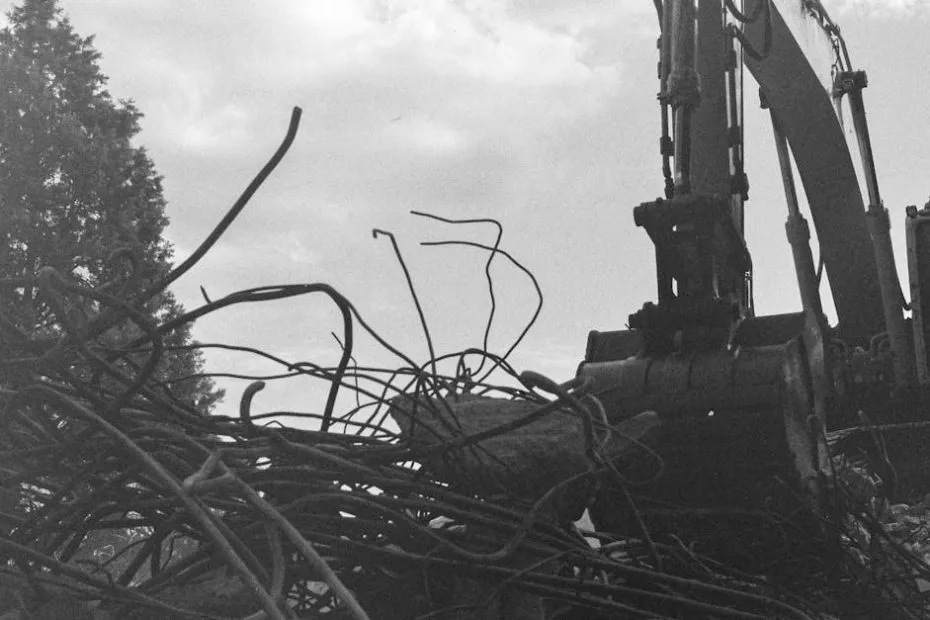
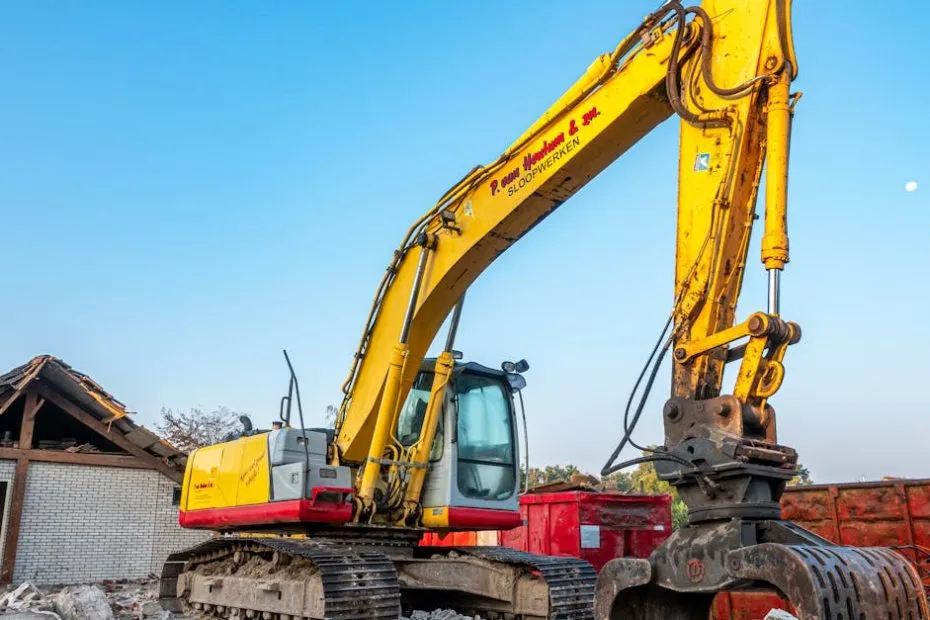
This high value of trees and forests is jeopardized by several processes. The most dangerous one among these is deforestation, mainly driven by agriculture, logging, and urbanization. Annual clearing of millions of hectares of forests results in habitat loss, reduced biodiversity, and rising carbon emissions. This has been evident in the case of the Amazon rainforest, often referred to as the Earth\'s lungs, which recently suffered vast areas of land being converted for farmland.
Climate change also poses a severe threat to trees. Rising temperatures, altering precipitation patterns, and increasing events of extreme weather put trees and forests under stress. Moreover, climate change has added advantages for pests and diseases that further threaten the health of trees. For example, the outbreak of the mountain pine beetle in North America has destroyed millions of hectares of pine forests.
Conservation Efforts
Trees and forests can thus be saved by conservation. In the world, many strategies are put in place to fight deforestation and ensure sustainable forest management. Generally, protected areas refer to places like national parks and nature reserves that help in preserving vital habitats and biodiversity. Reforestation and afforestation activities target restoring degraded landscapes and increasing forest cover.
These would therefore encourage the practice of sustainable forestry, which would be inclusive of selective logging and reduced impact logging, as a way of balancing the economic needs with conservation. Certification schemes, such as the Forest Stewardship Council, promote responsible forest management.
Community participation in tree conservation is also very vital. The indigenous communities that have sat in agreement with the forests over the years have a lot of indigenous knowledge on resource use that is sustainable. Empowering such communities and ensuring their land rights secure effective and equitable conservation.
Conclusion
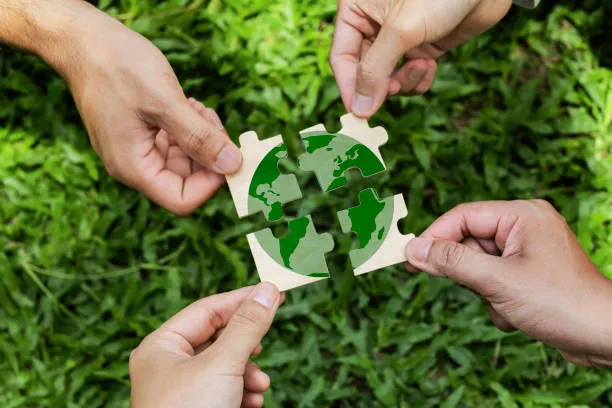
Trees are certainly an integral part of life on Earth. They offer ecological, economic, and cultural advantages that are very vital to the welfare of our earth and its inhabitants. However, human activities and the effect of climatic change are bringing threats as never before. It is important to recognize the value that trees offer to our lives and take concerted efforts to protect and preserve them for later generations. Tree connection and understanding of its importance is key to a healthy and sustainable world.







Sign in to leave a comment.