

Mental health podcasts help millions of people feel better every day. Famous celebrities and real therapists host these shows. They talk about anxiety, depression, relationships, and personal growth. People love them because they're free, private, and always available. These podcasts make mental health help accessible to everyone.
Introduction
Mental health podcasts are changing how we talk about feelings and problems. Millions of people listen to these shows every day. They offer help, hope, and healing through simple conversations.
These podcasts feel like talking to a good friend. They're always there when you need them. You can listen while driving, walking, or relaxing at home.
Some shows have famous people sharing their struggles. Others have real therapists giving advice. All of them help people feel less alone.
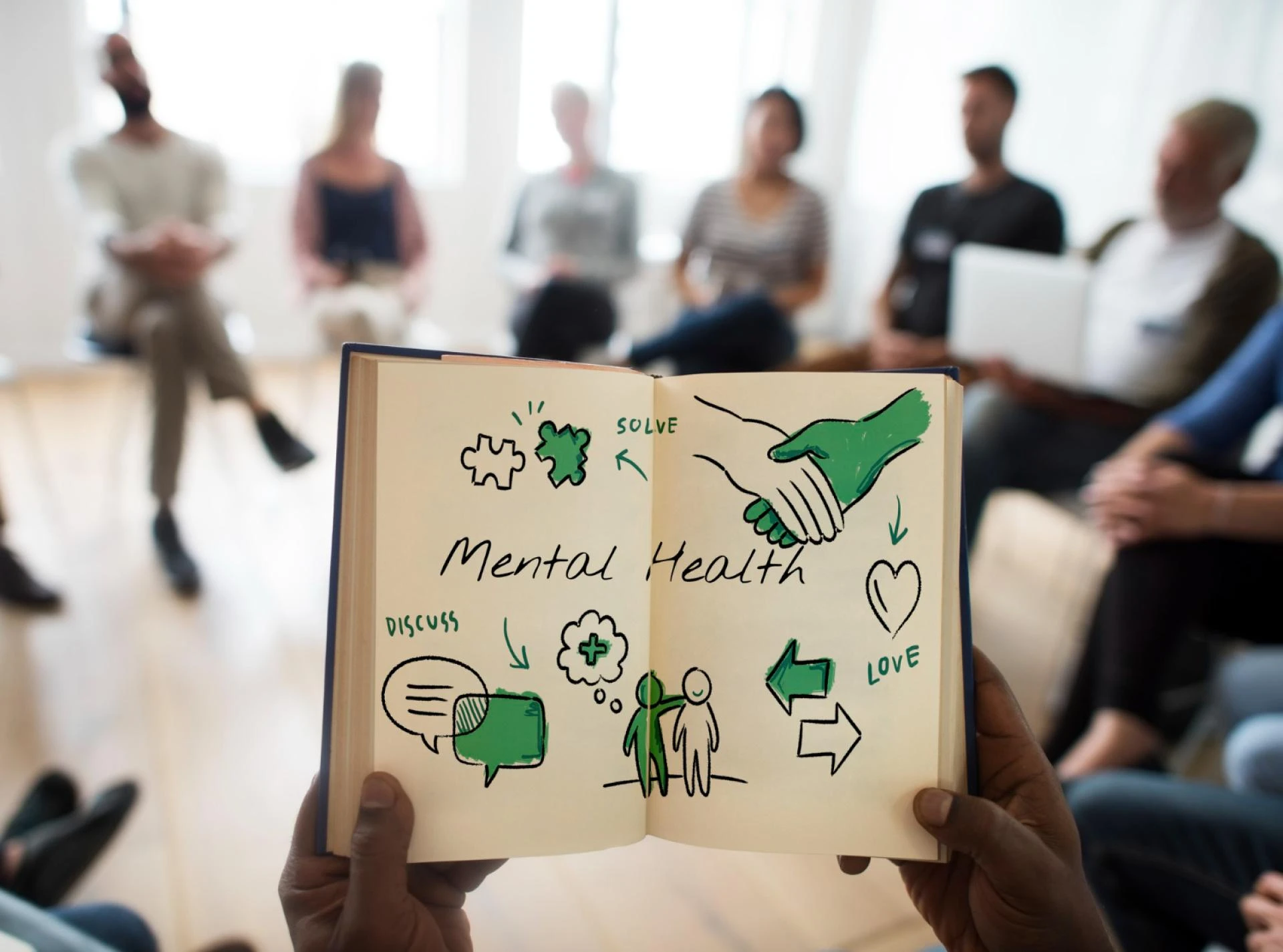
Mental health used to be a taboo topic. Now podcasts make it normal to discuss anxiety and depression. They break down walls and build understanding.
Why Mental Health Podcasts Are So Popular Right Now
Mental health podcast listeners want free, easy access to support. Traditional therapy costs money and requires appointments. Podcasts work on your schedule without insurance or waiting lists.
Mental health awareness is at an all-time high. People want to learn about their feelings and emotions. Podcasts make this learning easy and comfortable.
The format feels personal and private. Hosts speak directly into your ears. This creates a safe space for difficult conversations.
People can listen without anyone knowing their problems. No one judges what you're struggling with. This privacy helps people open up to new ideas.
Celebrity Mental Health Podcasts That Everyone Loves
Famous people hosting mental health podcasts remove shame from mental illness. When celebrities talk about depression, fans listen. This helps make mental health discussions normal.
These shows mix entertainment with real help. Listeners learn while being entertained. The combination keeps people coming back for more.
Celebrity hosts often interview mental health experts. They ask questions regular people want answered. This makes professional advice more relatable.
Stars like Dax Shepard show their struggles on air. When famous people admit problems, others feel permission. It's okay to not be okay.
Therapist-Hosted Podcasts Bring Professional Help to Everyone
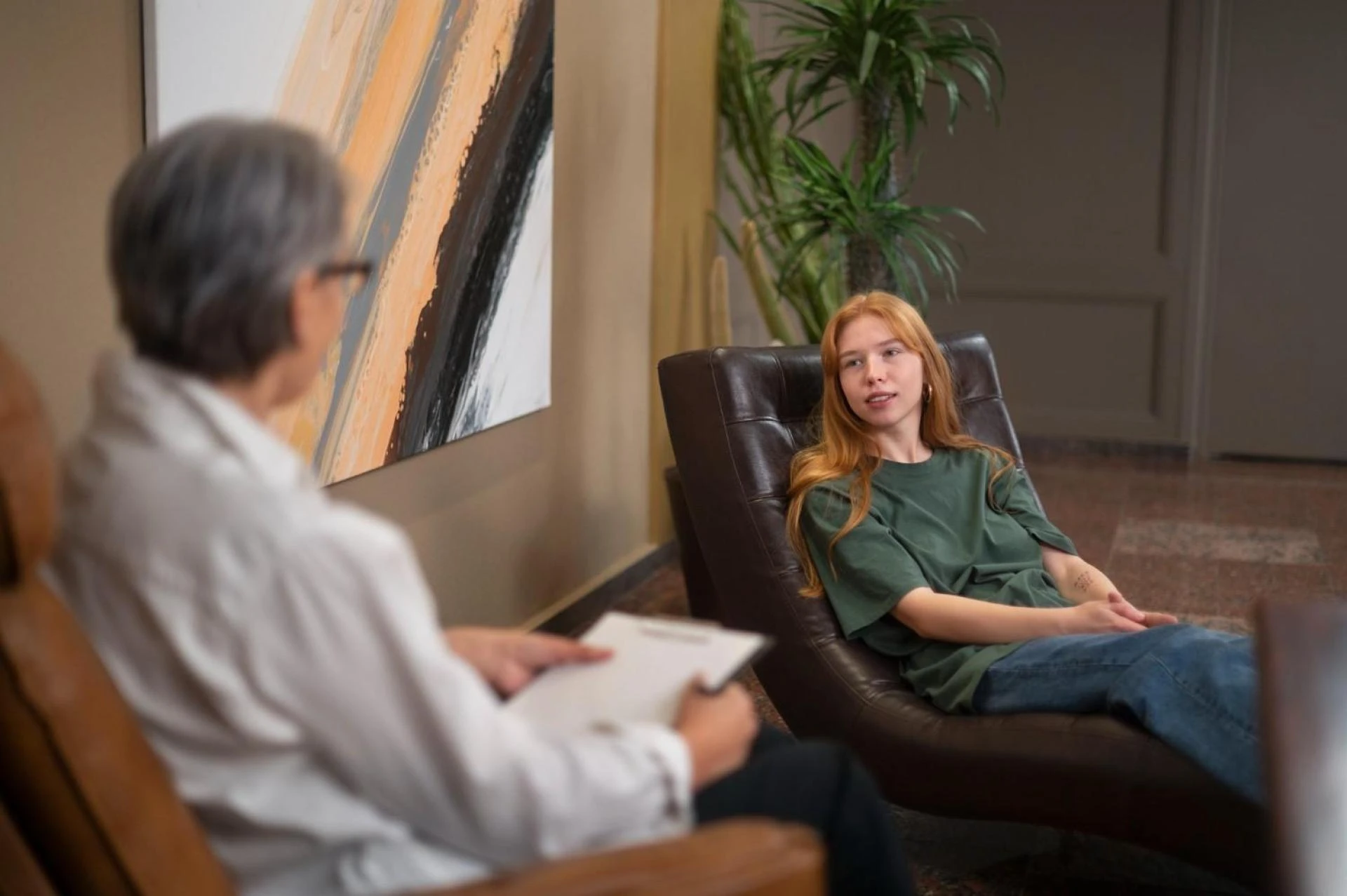
Real therapists create mental health podcasts with professional knowledge. They share advice in simple terms anyone can understand. Licensed professionals offer credible mental health guidance.
These podcasts explain therapy concepts clearly. Listeners learn about different treatment options. They discover tools they can use at home.
Therapists share real case studies without names. People hear how others solved similar problems. This gives hope and practical solutions.
Professional hosts build trust with their training. People know they're getting expert advice. This matters when dealing with serious mental health issues.
Different Types of Mental Health Podcasts
Mental health podcasts cover specific problems like anxiety and depression. Each type serves different needs and audiences. People can find shows that match their exact struggles.
Some podcasts focus only on anxiety disorders. They teach breathing exercises and calming techniques. Listeners find specific help for their panic attacks.
Depression-focused shows offer hope during dark times. They share recovery stories and daily coping strategies. Small steps feel more manageable than big changes.
Trauma recovery podcasts create safe healing spaces. Survivors share their journeys with others. Professional guidance helps process difficult experiences.
Relationship podcasts help with family and dating issues. Communication skills and boundary setting are common topics. Better relationships improve overall mental health.
Workplace stress shows address job-related mental health problems. They cover burnout, difficult bosses, and career anxiety. Work problems affect millions of people daily.
How Audio Helps Mental Health Healing
A mental health podcast works well because human brains respond to voice and tone. Hearing compassion creates feelings of safety and connection. This is similar to what happens in therapy.
Podcasts create connections with hosts even though it's one-way. Listeners feel understood even though hosts don't know them. These connections provide ongoing emotional support.
Audio content works while doing other activities. People can get help while driving or exercising. This makes self-care fit into busy schedules.
The private nature of earphones creates closeness. Voices feel like they're speaking directly to you. This personal connection helps with healing.
Tips for Choosing the Right Mental Health Podcast
Mental health podcasts vary in quality and approach. Finding the right one takes some research and testing. These tips help you pick shows that actually help.
- Start by identifying your specific mental health needs
- Look for hosts with professional training or real experience
- Try different formats like interviews, solo shows, or group talks
- Check if the podcast supports professional treatment when needed
- Avoid shows that promise quick fixes for serious problems
- Listen to a few episodes before deciding if it's right
- Consider the host's speaking style and personality
- Make sure the content feels supportive, not overwhelming
Warning Signs of Poor Mental Health Podcasts
Bad mental health podcasts can actually cause harm instead of help. Some hosts make medical claims without proper training. Always check the host's background and qualifications first.
Some shows make medical claims without proper training. Hosts without credentials shouldn't diagnose or treat conditions. Always check the host's background and qualifications.
Avoid podcasts that discourage professional therapy. Good shows support professional treatment when needed. They help therapy rather than replace it.
Be careful of shows promising instant cures. Real mental health improvement takes time and work. Quick fixes often don't address real problems.
Stay away from content that feels judgmental or harsh. Mental health help should feel supportive and understanding. Shame and blame don't help healing.
The Future of Mental Health Podcasting
Mental health podcasts will become more interactive and personalized. Technology will make shows respond to individual needs. This creates better help for each person's specific problems.
Interactive features are becoming more common. Some shows include guided meditations and breathing exercises. Apps connect to podcasts for longer experiences.
Mental health professionals recommend specific episodes to patients. Therapists include podcast homework in treatment plans. This connects professional and self-help approaches.
Community forums connected to podcasts build relationships. Listeners support each other beyond just listening. Online communities extend the healing conversation.
Technology will make shows more personal soon. AI might recommend episodes based on mood. Custom content could address individual needs better.
How Mental Health Podcasts Are Changing Society
Mental health podcasts make emotional wellness conversations normal in everyday life. People discuss anxiety like they discuss weather now. This reduces shame and increases help-seeking behavior.
These shows make mental health conversations normal. People discuss anxiety like they discuss weather now. This reduces shame and increases help-seeking.
Younger people especially embrace podcast therapy. They're more comfortable with digital mental health resources. This creates lasting cultural changes around wellness.
Workplaces now recommend mental health podcasts to employees. Companies include them in wellness programs. This shows how mainstream they've become.
Schools use podcasts for mental health education. Students learn coping skills through audio content. Early education prevents bigger problems later.
Finding Your Mental Health Podcast Community
Building a mental health podcast routine takes time and experimentation. Start with one show that interests you most. Listen regularly to see how it affects your mood.
Start with one show that matches your interests. Listen regularly for a few weeks. Notice how the content affects your mood and thoughts.
Many podcasts have social media communities too. Join Facebook groups or online forums connected to shows. Share experiences with other listeners safely.
Some cities have podcast listening groups that meet. People discuss episodes together in person. This adds social connection to the healing process.
Don't limit yourself to just one podcast. Different shows offer different tools and perspectives. Building a library serves various mental health needs.
Conclusion
Audio-based mental health support has changed how we approach emotional wellness. These shows make professional knowledge available to everyone with internet access. No appointments, insurance, or judgment required.
These programs create communities of support and understanding. Millions of people feel less alone in their struggles. Shared experiences build connections and hope for recovery.
The best shows combine expertise with relatability. They offer practical tools alongside emotional support. Professional guidance meets peer understanding in powerful ways.
Whether you need anxiety help or depression support, options exist. Relationship advice and trauma recovery content are available too. The variety means everyone can find relevant help.
As mental health awareness continues growing, audio shows will evolve. They'll become more personalized and interactive. Technology will enhance their healing potential.
Start exploring these audio resources today if you haven't already. Find voices that match your experiences and needs. Let these companions support your journey toward wellness.
Remember that these shows help but don't replace professional care. Use them alongside therapy when dealing with serious conditions. They're powerful tools in a complete wellness toolkit.































Sign in to leave a comment.