
In an era where security is paramount, alarm systems have emerged as indispensable guardians of our homes. No longer confined to the traditional realm of burglary prevention, these systems have evolved into multi-faceted sentinels, offering a myriad of features to protect our sanctuaries. From deterring intruders to monitoring environmental hazards, the role of alarm systems for homes in modern homes extends far beyond mere sirens and sensors.
Comprehensive Security
At its core, the primary function of an alarm system is to fortify the perimeter of a home against unauthorized entry. These systems, which come with security cameras, door and window contacts, and motion sensors, provide strong protection. In the event of a breach, they trigger loud alarms and alert homeowners or monitoring services, acting as a potent deterrent against potential intruders.
Real-Time Monitoring
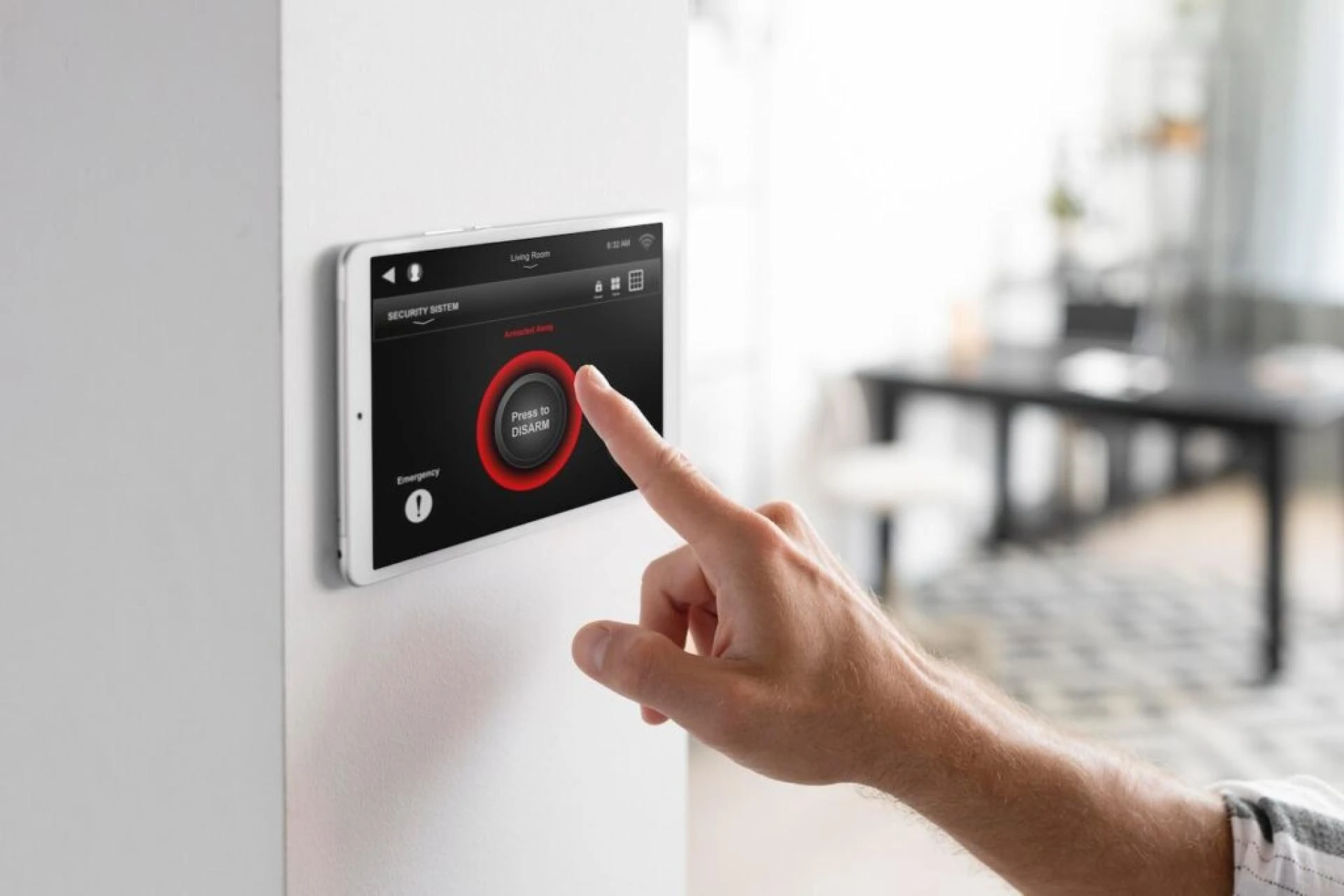
Advancements in technology have enabled alarm systems to provide real-time monitoring of the home environment. Through connected devices and mobile applications, homeowners can remotely access live video feeds, receive instant alerts, and even control various aspects of their security systems from anywhere in the world. This level of accessibility empowers individuals with constant oversight and peace of mind, whether they are at work, on vacation, or simply away from home.
Environmental Protection
Beyond safeguarding against human threats, alarm systems play a crucial role in mitigating environmental risks. Smoke detectors, carbon monoxide sensors, and water leak detectors are integrated seamlessly into these systems, enabling early detection of fires, gas leaks, or flooding. By swiftly alerting occupants and emergency services, these sensors can prevent catastrophic damage and potentially save lives.
Home Automation Integration
The convergence of alarm systems with home automation technology has revolutionized the way we interact with our living spaces. Smart thermostats, lighting controls, and door locks can be seamlessly integrated into alarm systems, allowing for centralized management through a single interface. This integration not only enhances convenience but also augments security by enabling automated responses to predetermined triggers, such as adjusting lighting or locking doors when an intrusion is detected.
Elderly Care and Medical Assistance
Alarm systems have also emerged as lifelines for elderly individuals or those with medical conditions requiring constant monitoring. Personal emergency response systems (PERS) integrated into these systems allow users to summon help with the press of a button in the event of a medical emergency or a fall. This feature provides invaluable support for independent living while offering reassurance to both seniors and their caregivers.
Integration with Emergency Services
One of the most critical features of modern alarm systems is their seamless integration with emergency services. In the event of a security breach or an environmental hazard, these systems automatically notify local authorities, fire departments, or medical responders. This swift and automatic response ensures that help is dispatched promptly, minimizing potential damage or harm.
Conclusion
In an increasingly interconnected world, alarm systems for homes have evolved into indispensable guardians of our homes, offering far-reaching benefits beyond conventional security measures. From deterring burglars to monitoring environmental hazards and providing assistance during medical emergencies, these systems serve as the cornerstone of modern residential safety. As technology continues to advance, the multi-faceted role of alarm systems will undoubtedly evolve further, shaping the future of home security and enhancing the well-being of occupants worldwide.



























Sign in to leave a comment.