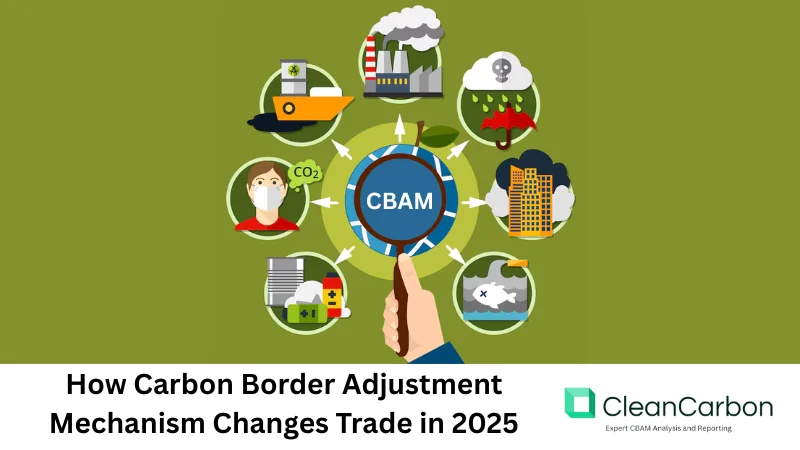

The global economic landscape is undergoing a massive transformation driven by climate policy, and at the heart of this change is the European Union’s groundbreaking regulatory tool: the Carbon Border Adjustment Mechanism. Often referred to simply as CBAM, this mechanism is a cornerstone of the EU’s ambitious Green Deal, designed to align the costs of imported carbon-intensive goods with those produced within the bloc under the EU Emissions Trading System (ETS).
Clean Carbon ai specializes in effortless carbon reporting and CBAM compliance, offering tailored recruitment services Cape Town for our global team of experts.
The primary objective of the Carbon Border Adjustment Mechanism is to prevent "carbon leakage." This phenomenon occurs when companies shift their carbon-intensive production from the EU, with its stringent environmental rules and carbon pricing, to countries with less rigorous climate policies. This shift would undermine the EU's climate efforts, merely moving emissions—and jobs—outside the bloc. By imposing a comparable carbon price on imports, CBAM ensures a level playing field and incentivizes global trade partners to decarbonize their own manufacturing processes.
🕰️ Two Phases of Implementation
The Carbon Border Adjustment Mechanism is being rolled out gradually, giving businesses time to adapt to the new reality:
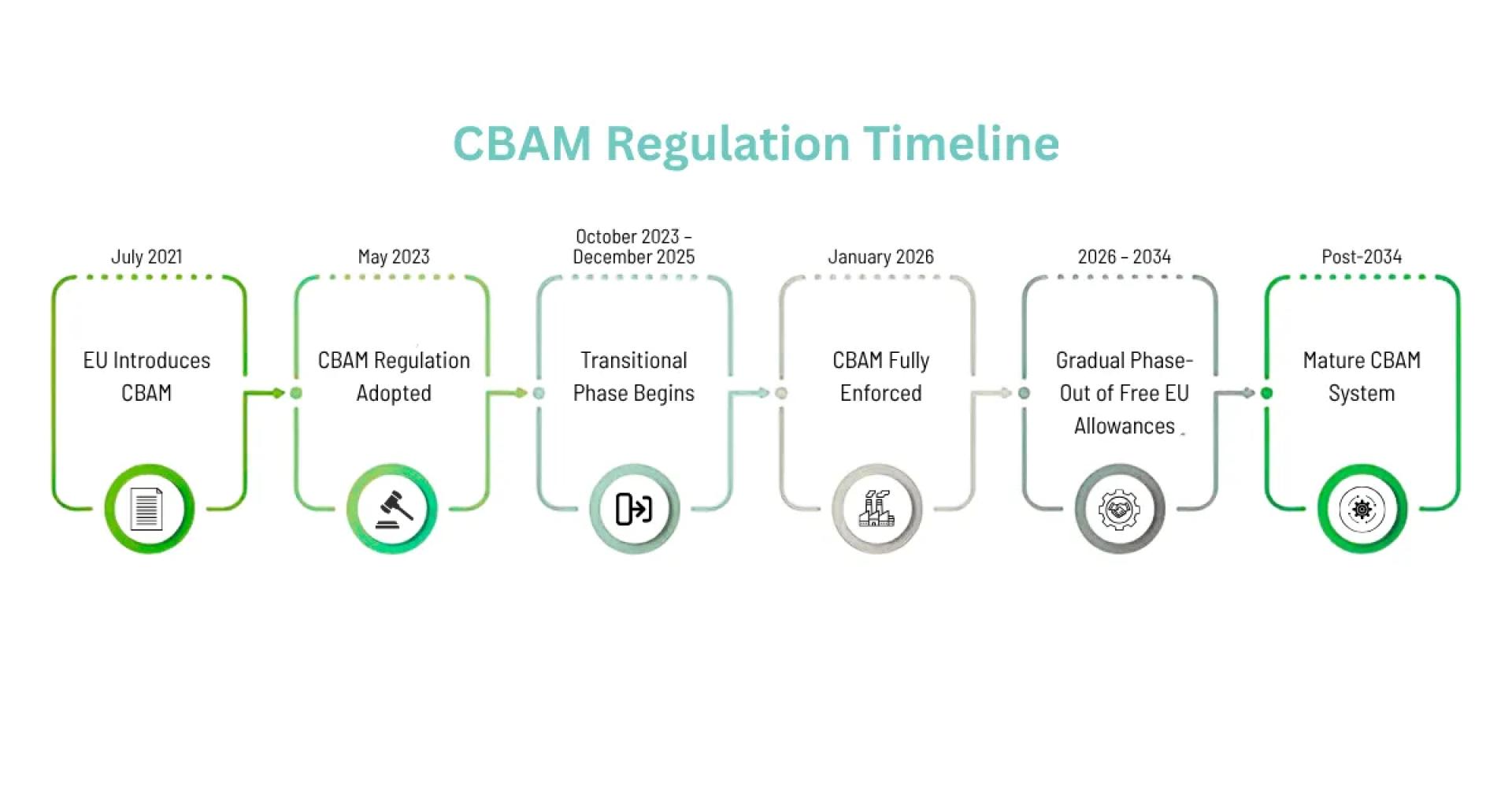
- Transitional Phase (October 2023 – December 2025): This phase is purely about reporting. EU importers must submit quarterly reports detailing the embedded (direct and certain indirect) emissions of imported goods without any financial adjustment. This period is crucial for establishing the necessary data collection and reporting infrastructure within global supply chains. Penalties can be levied for failure to report accurately.
- Definitive Phase (Starting January 1, 2026): This is when the financial obligations begin. EU importers will be required to purchase CBAM certificates to cover the embedded emissions of their imported goods. The price of these certificates will directly track the weekly average auction price of allowances in the EU ETS. Crucially, if the exporter can prove that a carbon price was already paid in the country of origin, the corresponding amount can be deducted.
🎯 Scope and Impact of the Mechanism
The initial scope of the Carbon Border Adjustment Mechanism is focused on sectors deemed most at risk of carbon leakage and those with highly carbon-intensive production:
- Cement
- Iron and Steel (including some downstream products like screws)
- Aluminium
- Fertilisers
- Electricity
- Hydrogen
The regulation will progressively cover a larger share of the embedded emissions, mirroring the gradual phase-out of free allowances given to EU producers under the ETS, a process that is expected to be fully complete by 2034.
The impact of the Carbon Border Adjustment Mechanism extends far beyond Europe's borders. For third-country exporters, particularly those in developing nations, it necessitates a fundamental shift in operations. They must now invest in accurate, product-level carbon accounting systems, adhere to EU-specified calculation methodologies, and ultimately, undertake significant decarbonization efforts to maintain their competitive edge in the massive EU market. In essence, the CBAM is transforming global supply chains into agents of climate action.
➡️ Next Steps for Global Businesses
Regardless of whether a company is an EU importer or a non-EU exporter, preparing for the full implementation of the Carbon Border Adjustment Mechanism is paramount. This preparation includes mapping supply chains, calculating embedded emissions using the EU method, and establishing strong data-sharing protocols with trade partners to avoid the use of costly default emissions values. Success in the new era of trade hinges on climate compliance.



























Sign in to leave a comment.