

Skin is not static throughout the day. Just like the body follows a circadian rhythm, the skin also operates on a biological clock. During the day, it focuses on defense against sunlight, pollution, and environmental damage. At night, however, the skin enters a repair phase where regeneration and healing accelerate. Understanding this cycle can explain why acne sometimes looks worse in the morning and why nighttime skincare routines are essential. Many dermatologists emphasize beginning an evening routine with a gentle cleanser for acne prone skin to remove impurities accumulated throughout the day and prepare the skin for overnight recovery.
Understanding the Skin’s Circadian Rhythm
The human body follows a natural 24 hour cycle known as the circadian rhythm. Skin cells also follow this rhythm, adjusting their activity levels based on the time of day.
During the daytime, the skin prioritizes protection. It produces antioxidants and strengthens the barrier to defend against environmental aggressors.
At night, the priorities shift toward repair. Several processes become more active:
• Increased cell turnover
• Enhanced blood circulation to the skin
• Faster collagen production
• Greater absorption of skincare ingredients
Because of these changes, the skin becomes more receptive to treatments applied in the evening.
Why Acne Often Appears Overnight
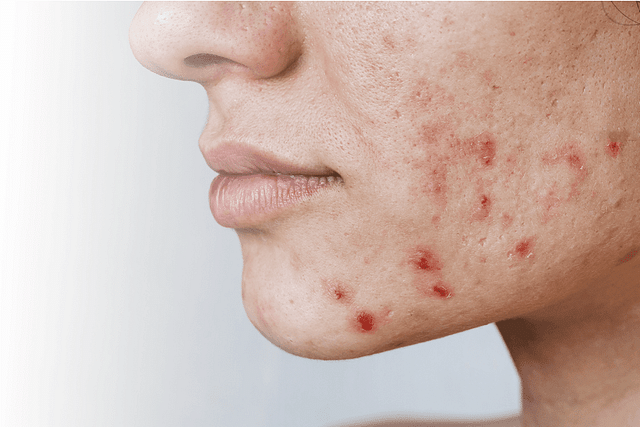
Many people notice that a pimple appears suddenly in the morning even though their skin seemed clear the night before. This happens because acne formation begins beneath the skin before it becomes visible.
During the night:
• Sebum production continues
• Dead skin cells shed more rapidly
• Bacteria can multiply within clogged pores
When these factors combine, inflammation builds within the pore. By morning, the swelling becomes visible as a pimple.
Nighttime skincare routines aim to minimize these triggers by keeping pores clear and the skin balanced.
How Skin Temperature Influences Breakouts
Skin temperature tends to rise slightly during sleep. While this change is small, it can affect how pores behave.
Higher skin temperature can cause:
• Increased oil production
• Slight expansion of pores
• Faster bacterial growth in clogged pores
This is one reason why breakouts often develop overnight, especially if the skin was not properly cleansed before bed.
Maintaining clean pores before sleep helps reduce the risk of these overnight changes triggering inflammation.
The Importance of Overnight Hydration
While the skin repairs itself during sleep, it also loses moisture more rapidly. This process is known as transepidermal water loss.
If the skin becomes dehydrated during the night, it may compensate by producing excess oil. This oil can mix with dead skin cells and block pores.
Hydrating moisturizers help maintain the balance between oil and water levels in the skin.
Proper hydration can:
• Strengthen the skin barrier
• Reduce irritation and redness
• Prevent excessive oil production
A balanced moisture level allows the skin to heal more efficiently.
Scientific Research on Nighttime Skin Repair
Scientific studies confirm that skin regeneration peaks at night.
Research published by the National Library of Medicine shows that epidermal cell division increases significantly during nighttime hours, helping repair daily skin damage and inflammation.
This increased regeneration is one of the reasons why consistent nighttime skincare routines are so effective. Supporting the skin during this repair window can improve healing and reduce acne severity over time.
How Stress Hormones Affect Nighttime Breakouts
Hormonal fluctuations also play a role in nighttime skin behavior. Cortisol, the body’s stress hormone, typically decreases during sleep. When cortisol levels remain elevated due to stress or poor sleep, inflammation within the skin increases.
This can lead to:
• Delayed acne healing
• Increased redness and swelling
• More frequent breakouts
Maintaining good sleep quality and managing stress can significantly improve skin health over time.
Why Targeted Acne Care Works Overnight
While general skincare routines support overall skin health, individual breakouts often require focused care.
Targeted treatments allow active ingredients to concentrate on specific blemishes without irritating the surrounding skin.
These treatments work by:
• Reducing inflammation
• Absorbing excess fluid from pimples
• Protecting the area from bacteria and touching
Because the skin remains undisturbed during sleep, treatments can work continuously for several hours.
Creating an Effective Nighttime Routine
A simple and consistent routine can significantly improve how the skin heals overnight.
An effective nighttime routine often includes:
• Gentle cleansing to remove dirt and oil
• Hydrating moisturizer to support the skin barrier
• Targeted treatments for individual blemishes
This approach helps the skin recover while preventing new breakouts from forming.
Consistency is more important than using many different products.
Conclusion
The skin performs some of its most important work while you sleep. During the night, cell turnover increases, inflammation begins to calm, and the skin barrier starts repairing daily damage. Supporting this natural cycle through proper cleansing, hydration, and targeted treatments can help reduce breakouts and improve overall skin health. For unexpected blemishes that appear before bed, many people use solutions like a pimple patch hydrocolloid, which helps absorb impurities and protect the affected area while the skin heals overnight.
Call To Action
A consistent nighttime skincare routine can transform how your skin heals and recovers from breakouts. Explore carefully formulated skincare solutions at World of California to support your skin’s natural repair cycle and maintain healthier, clearer skin.
FAQs
1. Why do pimples often appear overnight?
Acne begins forming beneath the skin before becoming visible. Overnight oil production, bacteria, and dead skin cells can cause inflammation that becomes noticeable in the morning.
2. Does skin really repair itself while sleeping?
Yes. Skin regeneration and cell turnover increase during sleep, making nighttime an important period for healing and recovery.
3. Should acne treatments be applied at night?
Many treatments work well overnight because the skin remains undisturbed and more receptive to active ingredients.
4. Does poor sleep affect acne?
Yes. Poor sleep can increase stress hormones and inflammation, which may worsen breakouts.
5. How long does it take for acne to heal overnight?
Some minor blemishes may shrink overnight, but most acne lesions require several days to fully heal with consistent care.

Sign in to leave a comment.