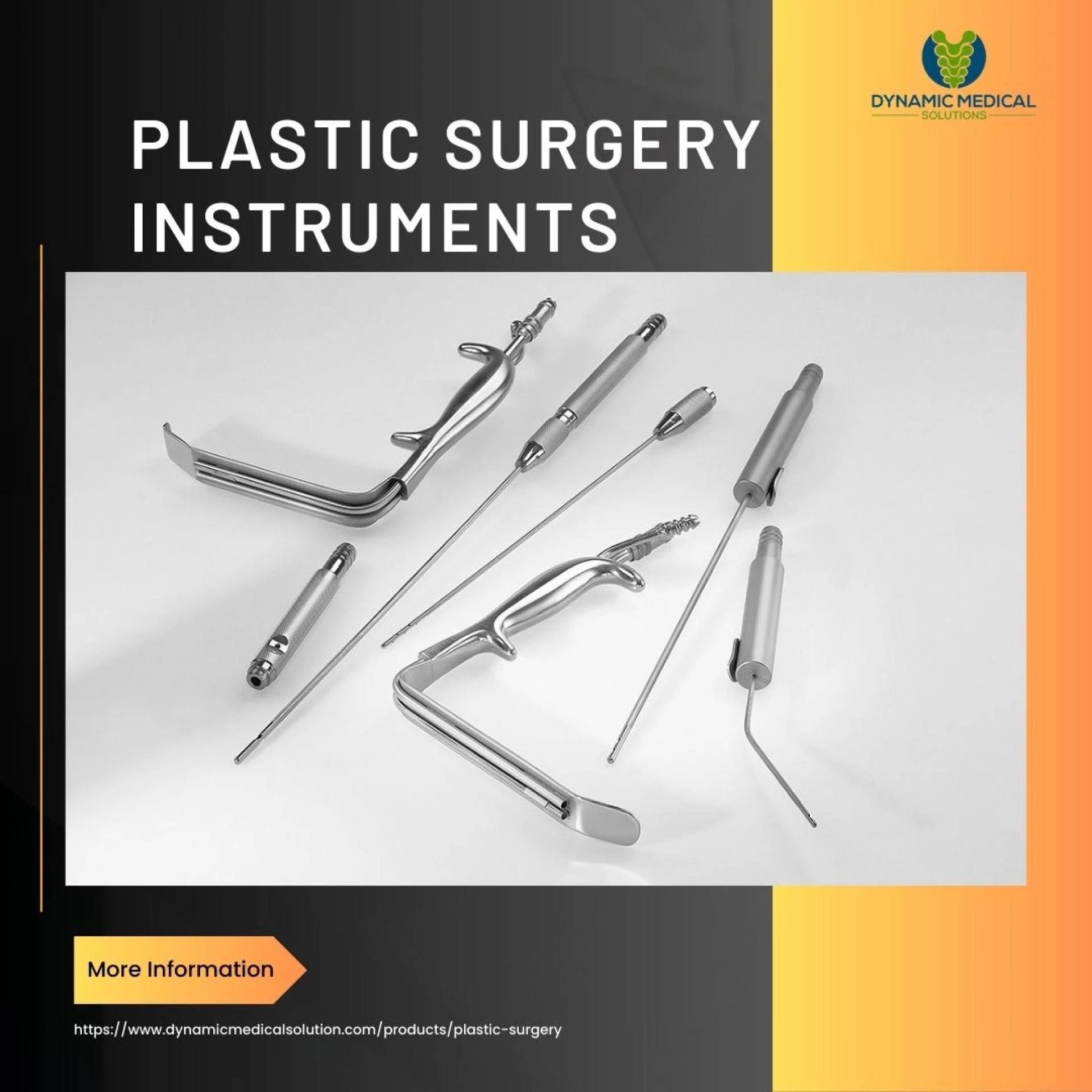

Plastic surgery instruments are far more than just tools for cosmetic enhancement. They play a vital role across a wide spectrum of the medical field, acting as an extension of a surgeon\'s skill and serving as the foundation for remarkable medical feats. Let\'s delve into the multifaceted role of plastic instruments in the world of medicine.
Beyond Aesthetics: The Realm of Reconstruction
- Restoring Form and Function: Following burns, traumatic injuries, or ablative surgeries for cancer, plastic instruments become instrumental in reconstructive surgery. They enable meticulous tissue manipulation, skin grafting, and microsurgical techniques to restore not just appearance, but also function and improve a patient\'s quality of life.
- Cleft Lip and Palate Repair: Specialized plastic instruments allow surgeons to perform intricate procedures for cleft lip and palate repair, giving children a chance at a normal life. The precision of these instruments ensures optimal outcomes, both functionally and aesthetically.
Innovation for Specialized Procedures:
- Microsurgery: Plastic instruments are miniaturized for microsurgery, allowing surgeons to reconnect tiny blood vessels and nerves during procedures like limb reattachment or facial reconstruction after trauma. This level of precision is crucial for restoring function and maximizing patient recovery.
- Hand Surgery: The intricate nature of the hand demands specialized instruments. Plastic instruments designed for hand surgery facilitate delicate tendon repairs, nerve reconstruction, and microsurgical procedures, helping patients regain lost dexterity and function.
Beyond the Operating Room:
- Burn Care: Plastic instruments play a crucial role in burn debridement (removal of dead tissue) and skin grafting procedures, essential for promoting healing and minimizing scarring in burn victims.
- Wound Closure: The wide variety of sutures and needle holders designed for plastic surgery applications ensure optimal closure of wounds across various medical fields, promoting faster healing and minimizing the risk of infection.
The Future of Plastic Instruments:
- Minimally Invasive Techniques: The trend towards minimally invasive surgery is fueled by the development of smaller, more delicate plastic instruments. This translates to faster recovery times, less scarring, and better overall patient outcomes across various medical procedures.
- Biocompatible Materials: Advancements in material science are leading to the development of biocompatible plastic instruments, potentially reducing the risk of infection and tissue rejection.
In Conclusion:
Plastic instruments are not merely confined to the realm of cosmetic surgery. They are a cornerstone of reconstructive surgery, microsurgery, hand surgery, burn care, and wound closure across various medical disciplines. Their precision, versatility, and constant evolution empower surgeons to achieve remarkable results, restoring form, function, and ultimately, hope for patients. As technology continues to advance, plastic instruments will undoubtedly play an even greater role in shaping the future of medicine. For more details visit our website Dynamic Medical Solution.





























Sign in to leave a comment.