
In large buildings, fire safety systems aren’t just alarms and sprinklers. Behind every sound, flash, and signal is a network of devices working together to protect people and property. Most of these components never get noticed—until they’re needed. One of them plays a quiet but vital role in how well a fire alarm system responds during an emergency.
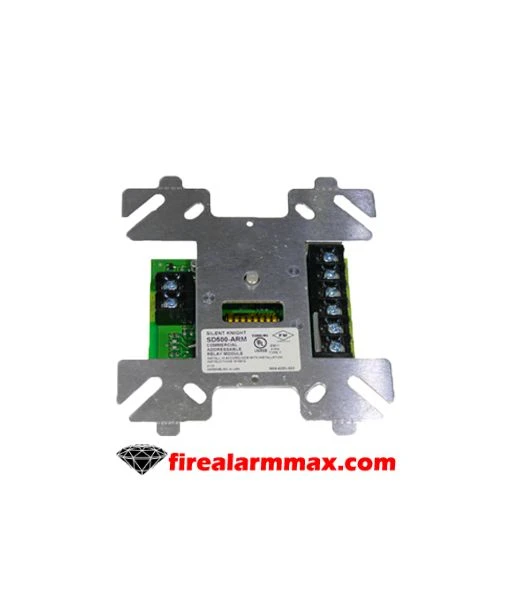
Professionals know the value of using the right modules to control doors, elevators, and ventilation during a fire. That’s where SD500-ARM comes in—a small but powerful relay module that helps keep large buildings organized and safe when every second counts.
Why Buildings Depend on More Than Just Smoke Detectors
When a fire breaks out, smoke detectors send signals to the main control panel. But what happens next depends on the system’s design. In complex buildings—like schools, hospitals, or office towers—alarms must do more than make noise. They need to trigger specific actions that help people get out safely.
For example:
- Unlocking emergency doors
- Shutting down air conditioning to prevent smoke spread
- Recalling elevators to the ground floor
- Activating emergency lighting and exhaust fans
These actions don’t happen automatically. They rely on relay modules, which work as communication bridges between the fire alarm system and building controls. Without them, a system might sound the alarm but fail to manage the building’s response effectively.
What Makes Relay Modules So Important
Relay modules act like messengers. When the main fire alarm panel detects a problem, the relay sends an electronic command to another system—telling it what to do next. Each relay can control a specific function or area.
In a large building, that means better coordination. Instead of all alarms triggering at once, different zones can respond based on real-time data. For instance, smoke in a stairwell could trigger fans for ventilation, while doors in nearby areas automatically unlock.
This level of control is crucial during emergencies because it:
- Reduces panic by keeping exits accessible.
- Helps responders identify and reach problem areas faster.
- Prevents smoke and heat from spreading to safe zones.
Modern relay modules also communicate directly with addressable fire panels, allowing technicians to monitor their condition and verify operation without manual testing. That’s a major advantage for maintenance teams managing dozens—or even hundreds—of devices.
How Addressable Relay Modules Work
Traditional relay modules were simple switches: on or off, connected manually, often without feedback to the main system. Addressable versions changed the game. Each one has its own digital “address,” meaning the control panel knows exactly which module it’s talking to.
This design allows for smarter system layouts and faster troubleshooting. When something goes wrong, the panel can pinpoint which relay isn’t responding. For big buildings, that means less downtime and lower maintenance costs.
In practice, here’s how an addressable relay module works:
- The smoke detector senses a fire and sends a signal to the control panel.
- The control panel decides which devices to activate.
- It sends a command to the relay module.
- The relay triggers its assigned function—like unlocking a door or turning off ventilation.
It’s a seamless process that turns fire alarms into intelligent control systems capable of managing the entire building’s response.
Why This Small Device Deserves More Attention
It’s easy to underestimate the importance of a relay module. It doesn’t flash or make noise. But without it, even the best fire alarm system loses a big part of its functionality.
Consider this: in many high-occupancy buildings, safety rules require automatic control over certain systems during emergencies. Relay modules help meet those codes by linking alarm panels with mechanical and electrical components.
Their advantages go beyond compliance:
- Improved coordination: They allow different parts of a building to respond independently.
- Ease of testing: Addressable models let technicians verify function remotely.
- Scalability: Multiple modules can be added as buildings expand or safety systems upgrade.
In short, they bring flexibility and control to complex fire safety systems—something essential in modern architecture where one-size-fits-all doesn’t work.
How Modern Modules Simplify Maintenance
Older fire alarm setups required manual checks. Technicians had to open panels, test circuits, and document results by hand. Today’s relay modules streamline that process. They self-report status updates to the control panel and flag any faults automatically.
This means maintenance crews can quickly identify and fix problems before inspections. Over time, this reduces both costs and downtime.
Routine upkeep is straightforward:
- Check the wiring for tight connections.
- Verify operation using the control panel’s diagnostic tools.
- Replace damaged or outdated units according to manufacturer guidelines.
Many facilities schedule these checks twice a year, aligning with NFPA 72 recommendations. This regular inspection cycle keeps systems compliant and dependable.
Real-World Applications in Large Buildings
You’ll find relay modules in nearly every commercial property with a structured fire safety system. They’re essential in:
- Hospitals: Automatically closing fire doors and controlling air circulation to protect patients.
- Schools: Unlocking exit doors and activating alarms by zone to manage evacuations smoothly.
- Warehouses: Triggering suppression systems or shutting down conveyors when fire is detected.
- Offices: Linking alarms with PA systems for clear evacuation instructions.
In all these scenarios, the module’s role is the same—to make sure alarms do more than alert. They help the entire building react intelligently.
For DIY users or small facility operators, this technology might seem complex, but the truth is, it’s remarkably straightforward. Most addressable modules are designed for easy integration and require minimal wiring beyond the basic control circuit.
Why It’s a Must-Have for Any Modern Fire Alarm System
Fire safety isn’t just about having alarms that sound—it’s about creating a complete, responsive system. A well-planned setup ensures that when an alarm goes off, every connected device knows exactly what to do.
That’s where relay modules like the SD500-ARM come in. They link your alarm panel to real-world actions, translating signals into safety responses. Whether you’re managing a shopping center, hotel, or industrial site, this small device makes a big difference.
Because when the alarm sounds, seconds matter—and the right connections can save lives.
Conclusion: The Unsung Hero of Fire Protection
In every large building, countless devices work silently in the background to keep people safe. The addressable relay module is one of those quiet heroes. It doesn’t draw attention to itself, but it ensures that every part of a fire system reacts exactly as intended.
For building owners, installers, and anyone serious about safety, adding reliable relay modules isn’t an option—it’s essential. They’re the link between alert and action, turning a warning into an organized, effective response.
It’s small. It’s often overlooked. But when the system is put to the test, it’s the one device you’ll be glad is there.


























Sign in to leave a comment.