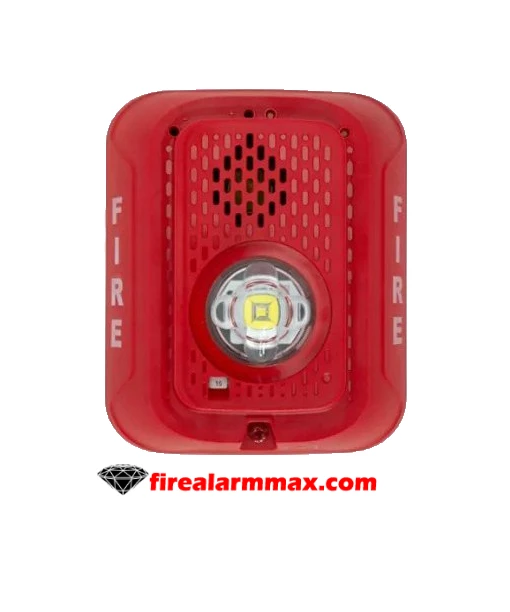
Alert lights play a critical role in safety systems. They are designed to get attention fast, cut through noise, and clearly signal danger or action. Yet not all alert lights deliver the same level of performance. Some stay bright for years with minimal issues, while others fade, fail early, or fall short when they are needed most.
The difference comes down to design choices, component quality, and how well the product matches the environment where it is used. In real-world applications, especially in commercial and industrial settings, those differences matter more than marketing claims.
In systems that rely on dependable signaling, products like the P2RLED are often selected because performance is not just about brightness. It is about consistency, visibility, and reliability over time. Understanding what separates strong performers from weak ones helps buyers avoid costly mistakes and system failures.
Light Output and Visibility
Brightness That Matches the Space
Brightness is often the first thing people compare, but raw lumen numbers do not tell the full story. An alert light must be bright enough to stand out in its specific environment. A warehouse with high ceilings needs stronger output than a small office hallway. Outdoor or semi-outdoor spaces demand even more intensity to compete with daylight.
Better-performing alert lights are designed with targeted brightness levels. They spread light evenly across the lens instead of creating harsh hot spots. This makes the signal easier to recognize from multiple angles and distances, which improves response time during an emergency.
Color Accuracy and Recognition
Color plays a major role in how quickly a signal is understood. Red, amber, blue, and white all carry different meanings depending on the application. High-quality alert lights maintain consistent color output throughout their lifespan.
Lower-end units may shift color as components age or when voltage fluctuates. This can reduce clarity and create confusion. Strong performers use stable LEDs and quality lenses to ensure the color remains clear, recognizable, and compliant with safety expectations.
Build Quality and Materials
Housing Strength and Protection
The outer housing protects the internal components from impact, dust, moisture, and temperature changes. Alert lights that perform well over time are built with durable materials designed for real-world abuse.
Plastic quality matters. Thicker, impact-resistant housings resist cracking and warping. Proper seals prevent moisture from reaching sensitive electronics. Units built for indoor-only use often fail quickly when exposed to humidity or vibration, even if they look similar on the surface.
Lens Design and Durability
The lens is not just cosmetic. It affects how light is distributed and how long the unit stays effective. Better lenses resist yellowing, scratching, and clouding over time.
Poor lens materials can reduce brightness long before the electronics fail. When the lens degrades, visibility drops, and the alert loses its effectiveness. High-performing alert lights use lenses designed to maintain clarity under constant use and exposure.
Power and Electrical Design
Stable Power Consumption
Efficient power use is a key factor in long-term performance. Well-designed alert lights draw consistent power without stressing the system they are connected to. This reduces the risk of voltage drops, flickering, or system faults.
Cheaper designs may spike power draw during activation. Over time, this can damage wiring, overload circuits, or cause compatibility issues with control panels. Reliable alert lights are engineered to work smoothly within system limits.
Compatibility With Control Systems
Alert lights must integrate seamlessly with fire alarm panels, security systems, or industrial controls. Units that perform better are tested across a range of systems to ensure proper activation and synchronization.
Compatibility problems often show up only after installation. Lights that fail to sync or respond inconsistently can compromise the entire alert system. Strong-performing products reduce this risk through careful electrical design and testing.
Installation and Mounting Design
Installer-Friendly Construction
Ease of installation directly affects performance. Alert lights that are difficult to mount or wire are more likely to be installed incorrectly. Small mistakes can lead to loose connections, alignment issues, or reduced visibility.
High-quality units are designed with installers in mind. Clear mounting points, accessible terminals, and flexible wiring options help ensure the light is installed correctly the first time. Proper installation leads to better long-term performance.
Secure Fit and Alignment
Once installed, the alert light should stay firmly in place. Vibration, building movement, and daily activity can loosen poorly designed mounts. When a unit shifts, visibility suffers.
Better-performing alert lights include secure mounting systems that hold alignment over time. This ensures the signal remains clearly visible where it is intended to be seen.
Environmental Performance
Temperature and Humidity Resistance
Alert lights often operate in environments that are far from ideal. Heat, cold, and humidity can all impact performance. Units that perform better are built with components rated for wider temperature ranges.
Low-quality electronics may fail during extreme conditions or degrade faster when exposed to moisture. Over time, this leads to inconsistent activation or total failure. Reliable alert lights are designed to handle these stresses without losing effectiveness.
Vibration and Long-Term Use
In industrial settings, vibration is a constant issue. Equipment movement, machinery, and foot traffic all contribute. Alert lights that are not designed for this environment may develop internal failures.
Strong performers use secure internal mounting and vibration-resistant components. This allows them to continue working reliably even in demanding conditions.
Compliance and Performance Standards
Meeting Safety Expectations
Alert lights are often part of regulated safety systems. Products that perform better are designed to meet recognized performance and visibility standards. This ensures they provide adequate warning when activated.
Non-compliant units may still light up, but that does not mean they meet the expectations of inspectors or safety managers. Using properly designed alert lights helps avoid compliance issues and rework costs.
Consistency Across Units
In larger installations, consistency matters. Every alert light should perform the same way. High-quality manufacturers maintain tight production standards so brightness, color, and activation timing remain uniform.
Inconsistent performance across units can confuse occupants and reduce trust in the system. Strong-performing alert lights maintain uniform output across batches and installations.
Longevity and Maintenance
LED Lifespan and Reliability
One of the biggest advantages of modern alert lights is LED technology. However, not all LEDs are equal. Higher-performing units use LEDs with proven lifespans and stable output.
Poor-quality LEDs may dim faster or fail prematurely. This increases maintenance costs and creates gaps in system coverage. Reliable alert lights maintain brightness and function for years with minimal attention.
Reduced Downtime and Replacement
Maintenance teams value products that simply work. Alert lights that perform better require fewer replacements and less troubleshooting. This reduces downtime and labor costs.
Over time, the upfront cost difference between products becomes less important than reliability. Units that fail less often provide better value and stronger system confidence.
Application-Specific Design
Matching the Light to the Use Case
Not every alert light is meant for every situation. Products that perform better are designed with specific applications in mind. Fire alarms, security alerts, and industrial warnings all have different requirements.
Choosing a unit designed for the correct application improves visibility and reliability. Using a general-purpose light in a specialized environment often leads to underperformance.
Indoor vs. Outdoor Considerations
Indoor alert lights focus on clarity and controlled lighting conditions. Outdoor or exposed locations require stronger housings, better sealing, and higher output.
High-performing alert lights clearly define where they should be used. This helps buyers select the right product instead of forcing a poor fit that leads to early failure.
Design Testing and Quality Control
Real-World Testing
Products that perform better are tested beyond basic lab conditions. They are evaluated under heat, cold, vibration, and extended operation. This reveals weaknesses before the product reaches the market.
Manufacturers who invest in testing produce alert lights that behave predictably in real installations. This reduces surprises after deployment.
Manufacturing Consistency
Quality control during production plays a major role in performance. Consistent assembly, component sourcing, and inspection ensure each unit meets the same standard.
Inconsistent manufacturing leads to random failures and uneven performance. Strong-performing alert lights come from processes that prioritize consistency and reliability.
Making a Smarter Selection
Looking Beyond Price
Price is often the first filter, but it should not be the final one. Alert lights that perform better may cost more upfront, but they reduce long-term costs through reliability and lower maintenance.
Choosing solely on price often results in frequent replacements, service calls, and system issues. Performance-focused selection leads to better outcomes.
Evaluating the Full System Impact
An alert light is part of a larger system. Its performance affects response time, safety compliance, and user confidence. Strong-performing units support the system instead of becoming its weak point.
Understanding why some alert lights perform better than others allows buyers to make informed decisions. When visibility, durability, and reliability are prioritized, the result is a safer and more dependable alert system that performs when it matters most.























Sign in to leave a comment.