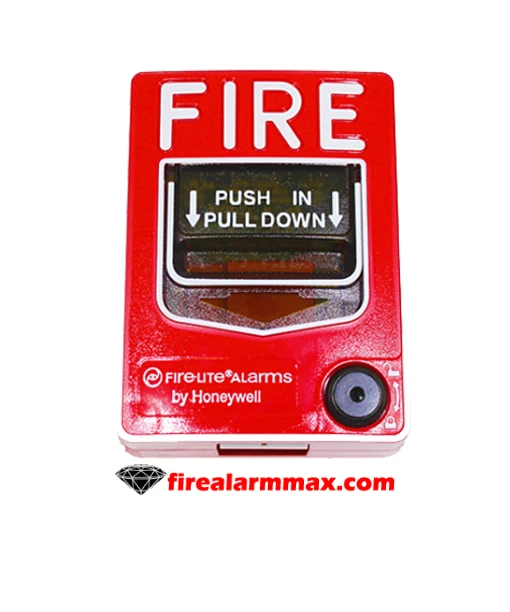
Fire safety systems have advanced in major ways over the past few decades. Modern buildings rely on smoke detectors, heat sensors, and automated monitoring systems to detect danger. Still, there are situations where automatic devices are not enough. In those moments, a manual pull station such as the BG-12LX becomes the fastest and most reliable way to alert everyone inside a building.
Manual alarms give people direct control during emergencies. When someone sees smoke, flames, or a dangerous condition before a detector reacts, pulling the station can trigger a full building alert in seconds. That immediate action can mean the difference between a safe evacuation and serious loss.
Understanding when manual alarms matter most helps building owners, facility managers, and safety professionals make smarter decisions about protection.
The Role of Manual Fire Alarms in Modern Buildings
Automatic detection systems are essential, but they are not perfect. Manual pull stations provide a critical layer of backup and speed.
How Manual Alarms Work
A manual pull station is a simple device installed near exits, hallways, and stairwells. When someone activates it:
- The fire alarm control panel receives a signal.
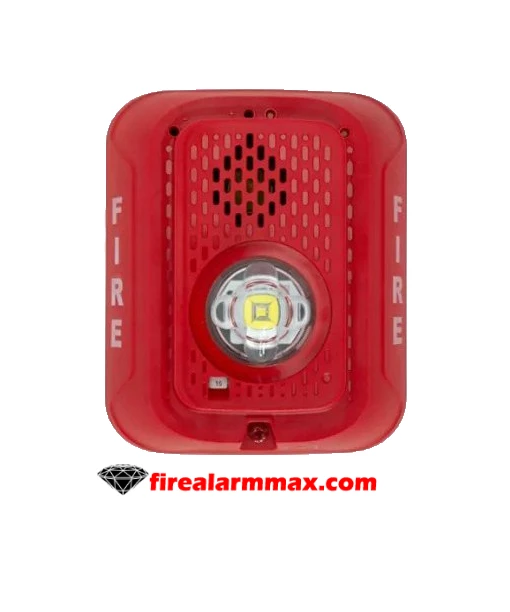
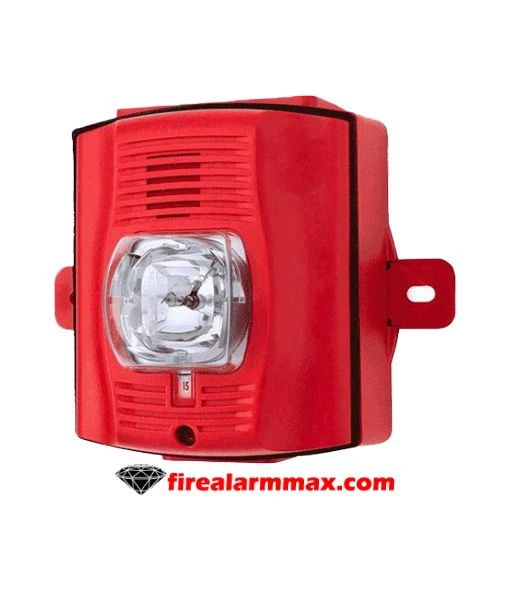
- Horns and strobes activate throughout the building.
- Emergency response procedures begin immediately.
- In monitored systems, a signal may also go to a central station.
Unlike automatic detectors that rely on environmental changes like smoke or heat, manual devices rely on human observation. If a person sees a fire starting, they do not need to wait for smoke levels to rise.
Why Human Action Still Matters
There are many cases where people detect danger before equipment does. For example:
- A small fire in a trash can that has not yet created heavy smoke.
- A smoldering electrical outlet.
- Flames seen through a doorway.
- An unusual burning smell in a mechanical room.
In these cases, pulling the alarm right away speeds up evacuation. Waiting for sensors to activate could cost valuable minutes.
Manual stations empower occupants. They remove delay and reduce dependency on system thresholds.
High-Risk Environments Where Manual Alarms Are Critical
Some locations carry higher fire risk due to equipment, occupancy levels, or materials present. In these settings, manual alarms are especially important.
Schools and Universities
Educational facilities are busy environments. Classrooms, science labs, cafeterias, and auditoriums often contain:
- Electrical equipment
- Cooking appliances
- Laboratory chemicals
- Large numbers of occupants
In a school setting, seconds matter. A teacher who notices smoke can activate a nearby pull station immediately. That quick action helps evacuate hundreds or even thousands of students without confusion.
Children may not always recognize early warning signs. Adults must act quickly on their behalf. Manual alarms make that possible.
Hospitals and Healthcare Facilities
Hospitals present unique challenges:
- Patients may have limited mobility.
- Staff must coordinate staged evacuations.
- Critical equipment cannot be shut down instantly.
If smoke is detected in a patient room or equipment area before automatic sensors trigger, activating a pull station allows staff to begin controlled evacuation procedures right away.
Healthcare facilities rely on layered safety systems. Manual alarms serve as an essential backup when rapid human response is needed.
Situations Where Automatic Detection May Not Be Enough
Automatic systems are highly reliable, but no technology is flawless. There are conditions where manual activation is the safest path.
Slow-Smoldering Fires
Some fires start small and smolder before producing thick smoke. For example:
- Overheated wiring inside walls
- Malfunctioning power strips
- Upholstered furniture igniting slowly
A person nearby may smell smoke before a detector reaches its activation point. Pulling the alarm ensures early evacuation rather than waiting for the system threshold.
Obstructed or Isolated Areas
In warehouses, manufacturing plants, or storage facilities:
- High ceilings can delay smoke reaching detectors.
- Shelving units may block air movement.
- Certain rooms may not have direct detection coverage.
If an employee sees flames at floor level, activating a manual station avoids delay caused by smoke travel time.
This is especially important in large open spaces where fire can spread quickly before detection systems respond.
Code Requirements and Safety Standards
Building codes and fire safety standards often require manual pull stations as part of a complete fire alarm system.
Why Codes Require Manual Pull Stations
Fire codes recognize that human awareness is a powerful detection tool. Many jurisdictions require pull stations:
- Near building exits
- On each floor of multi-story buildings
- Within a certain distance of travel paths
These requirements exist because manual devices add redundancy. If one layer fails or responds slowly, another can compensate.
Redundancy saves lives.
Compliance and Liability
Failure to install or maintain proper manual alarms can lead to:
- Fines or failed inspections
- Increased liability during fire incidents
- Insurance complications
Facility managers must ensure that pull stations are:
- Properly installed
- Clearly visible
- Accessible
- Regularly tested
Compliance is not just about passing inspections. It protects occupants and reduces legal risk.
The Importance of Reliable Equipment
Not all manual pull stations are built the same. Durability, reset features, and visibility matter.
Durability in High-Traffic Areas
Manual alarms are often installed in:
- School hallways
- Hotel corridors
- Office building exits
- Industrial sites
These are areas with frequent traffic. A high-quality pull station must withstand daily contact without false activation or damage.
Strong construction ensures reliability when it counts.
Clear Operation During Stress
In an emergency, people may panic. A pull station must be:
- Easy to identify
- Simple to operate
- Clearly labeled
- Responsive with minimal force
If someone hesitates because they are unsure how to activate the device, valuable time is lost. Straightforward design improves response speed.
Real-World Emergency Scenarios
Understanding actual situations where manual alarms make a difference highlights their value.
Restaurant Kitchen Fire
A small grease fire starts under a commercial range hood. Staff notice flames before smoke detectors trigger. One employee pulls the alarm immediately.
Result:
- Customers evacuate quickly.
- Fire suppression systems activate.
- Fire department response is faster.
Early action limits damage and prevents injuries.
Electrical Room Incident
An office building maintenance worker smells burning insulation in an electrical closet. There is light smoke, but not enough to set off ceiling detectors.
By activating a pull station:
- The building alarm sounds immediately.
- Occupants leave safely.
- The fire department addresses the issue before it spreads.
Without manual intervention, the fire might grow before detection.
Human Factors in Emergency Response
Technology supports safety, but human behavior determines outcomes.
Empowering Occupants
When people know they can act, they respond faster. Training staff and occupants to use pull stations builds confidence.
Key steps include:
- Conducting fire drills
- Showing where pull stations are located
- Explaining when to activate them
Clear guidance removes hesitation.
Avoiding False Alarms Without Fear
Some people hesitate to pull an alarm because they fear being wrong. However, it is better to activate an alarm for a suspected fire than to ignore a real threat.
Organizations should communicate a simple message:
If you see signs of fire, act immediately.
Creating a culture of safety reduces second-guessing during emergencies.
Maintenance and Testing
Even the best equipment fails without proper care.
Routine Inspection
Manual pull stations should be inspected regularly to ensure:
- No physical damage
- Proper mounting
- Clear visibility
- Functional activation
Testing confirms that signals reach the fire alarm control panel correctly.
Documentation and Records
Maintaining records of inspections and tests supports:
- Code compliance
- Insurance requirements
- Internal safety audits
Consistent documentation demonstrates commitment to safety.
Why Manual Alarms Still Matter in 2026 and Beyond
Smart buildings continue to evolve. Wireless sensors, advanced analytics, and AI-driven monitoring systems are becoming more common. Despite this progress, manual pull stations remain essential.
Technology can detect many hazards, but it cannot replace human awareness. A person who sees fire starting can react instantly. Manual alarms convert that awareness into building-wide action.
Every second counts in a fire emergency. Early detection and rapid notification protect:
- Lives
- Property
- Business continuity
- Organizational reputation
Layered fire protection strategies combine automatic systems with manual activation. This approach creates redundancy and increases reliability.
Manual alarms are not outdated devices from the past. They are a proven, dependable part of comprehensive fire safety planning.
Final Thoughts
Fire emergencies rarely follow a predictable script. They may start small, grow quickly, or develop in unexpected locations. Automated systems provide strong protection, but they cannot see everything at once.
Manual pull stations serve as a direct link between human awareness and building-wide response. When someone notices danger first, activating a nearby device triggers immediate action.
High-risk environments, code requirements, and real-world incidents all show the same truth: manual alarms matter most when seconds make the difference.
Investing in reliable equipment, proper placement, routine testing, and occupant training ensures that when a fire starts, the response is fast and effective. In emergency situations, that speed can save lives and prevent devastating loss.




















Sign in to leave a comment.