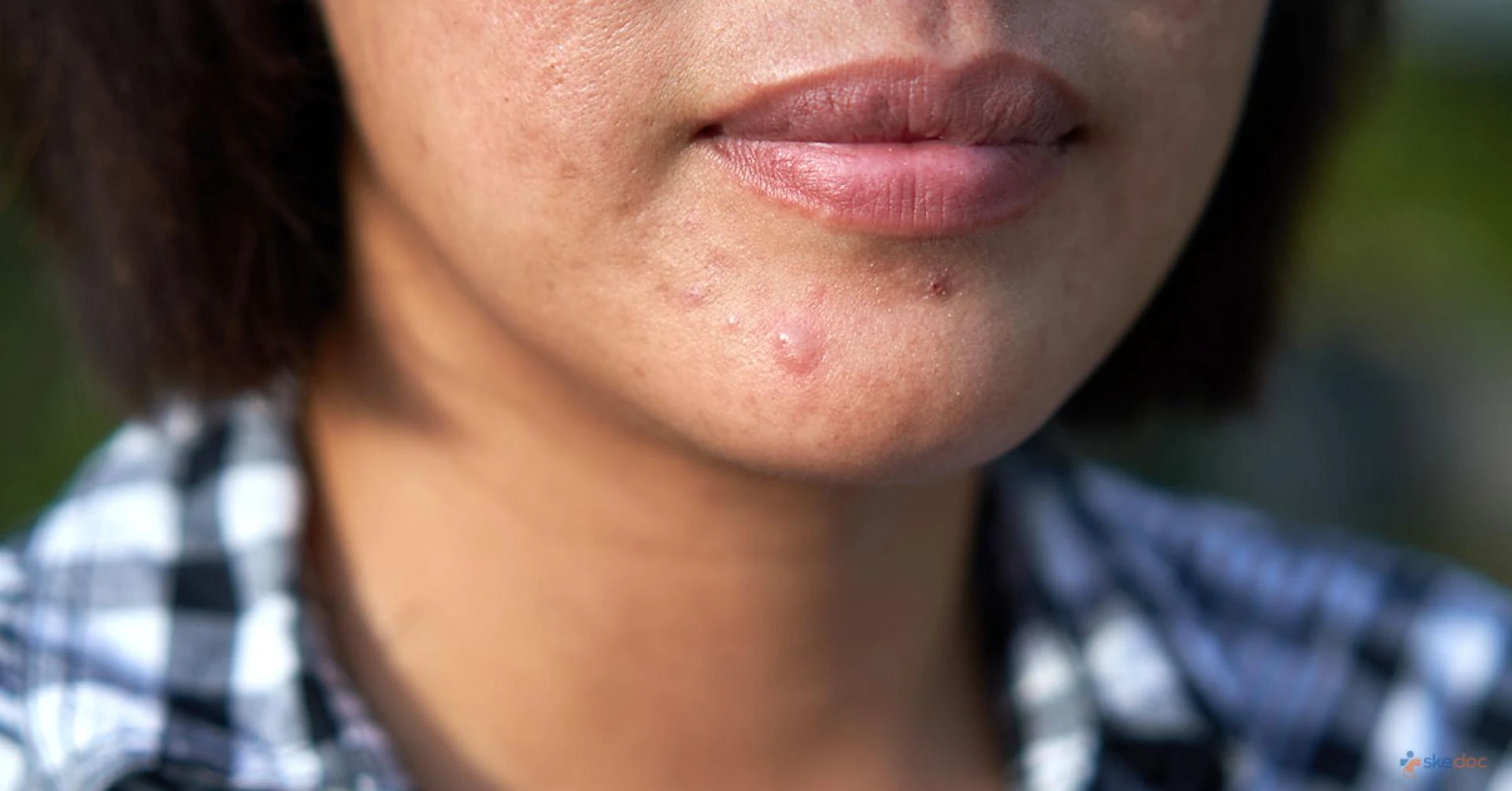

Acne is usually associated with oil production, clogged pores, and bacteria. However, scientists have identified another hidden factor that may influence how breakouts develop. Certain areas of the skin can experience reduced oxygen levels, creating conditions that allow acne causing bacteria to thrive. This idea is sometimes described as the oxygen deprivation theory of acne. While many people search for solutions such as a niacinamide serum for oily skin to regulate oil production, the oxygen environment inside pores may also play a crucial role in determining whether acne develops.
The skin surface interacts continuously with air, allowing oxygen to reach the upper layers of the skin. However, when pores become blocked with oil and dead skin cells, the oxygen supply inside those pores decreases. Some acne related bacteria prefer these low oxygen environments and multiply more easily in these conditions.
Understanding how oxygen availability affects skin health may help explain why certain pores become inflamed while others remain clear.
Why Oxygen Matters for Skin Health
Oxygen supports several important biological processes within the skin. Skin cells require oxygen to produce energy, repair damage, and maintain healthy turnover cycles.
When oxygen levels are adequate, cells function efficiently and the skin barrier remains stable. However, when oxygen availability decreases in localized areas, certain processes begin to change.
Low oxygen conditions can slow the natural shedding of dead skin cells. When these cells accumulate within pores, they mix with oil and create blockages. This combination forms the early stage of acne known as a comedone.
Once a pore becomes clogged, oxygen levels inside the pore drop even further, which may encourage bacterial growth.
The Role of Anaerobic Bacteria in Acne
One of the key bacteria involved in acne development is Cutibacterium acnes. This bacterium naturally lives on human skin and usually does not cause problems. However, it thrives in environments where oxygen is limited.
Inside clogged pores, oxygen levels decrease and oil accumulates. This creates ideal conditions for the bacteria to multiply. As the bacteria grow, they produce inflammatory compounds that irritate surrounding skin tissue.
The body’s immune system reacts to this irritation by sending white blood cells to the area. This immune response leads to redness, swelling, and the formation of visible pimples.
The entire process often begins with the simple blockage of a pore that reduces oxygen flow.
How Pore Blockages Limit Oxygen Flow
Pores act as channels that allow oil and sweat to travel from the skin glands to the surface. When pores are open and functioning normally, air can also reach the upper portion of the pore.
However, several factors can block these channels.
Dead skin cells sometimes fail to shed properly and accumulate inside pores. Excess oil production may thicken the mixture inside the pore. Environmental debris such as dust or pollution particles can also contribute to blockage.
Once the pore opening becomes sealed, oxygen levels inside the pore decrease. This change transforms the pore into an environment that supports bacterial growth.
Why Some Areas of the Face Are More Affected
Not all parts of the skin experience the same oxygen exposure. Certain areas naturally produce more oil or experience greater environmental contact.
The forehead, nose, and chin contain a higher number of sebaceous glands. These glands produce sebum, which helps protect the skin but may also contribute to clogged pores if produced in excess.
Hair products, cosmetics, and sweat can also accumulate around these areas, increasing the likelihood of pore blockage.
When multiple factors combine, the oxygen supply within pores becomes limited and acne may develop.
Statistical Insight on Acne Prevalence
Acne is one of the most widespread skin conditions worldwide. According to data published by the American Academy of Dermatology, acne affects up to 50 million people in the United States each year.
This high prevalence demonstrates how common pore blockages and inflammation are in modern populations. Understanding lesser known factors such as oxygen availability may help explain why acne remains such a persistent condition.
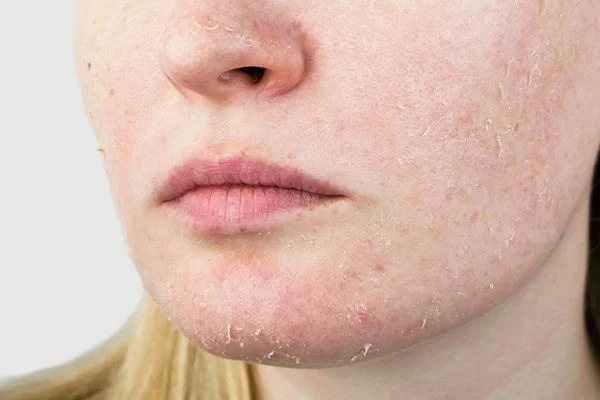
Environmental Factors That Reduce Skin Oxygenation
Several everyday habits can reduce oxygen exposure at the skin surface.
Heavy makeup layers may trap oil and sweat on the skin. Tight clothing or accessories around the face can limit airflow. Even prolonged screen time may increase skin temperature and oil production.
Environmental pollution also contributes to pore blockage. Tiny particles can settle on the skin and combine with oil, forming debris that clogs pores.
Improving skin hygiene and maintaining clean surfaces that touch the skin may help preserve healthy airflow around pores.
Supporting Healthy Pore Function
Maintaining healthy pores requires both internal balance and external care. Proper cleansing removes excess oil, sweat, and environmental particles that could block pores.
Gentle exfoliation may also help remove dead skin cells before they accumulate. However, excessive exfoliation can damage the skin barrier and cause irritation.
Balanced skincare routines often focus on maintaining cleanliness without stripping the skin of its natural protective oils.
Hydration also plays an important role. When the skin barrier remains hydrated, the natural shedding process of skin cells occurs more efficiently, reducing the risk of pore blockage.
Protecting Breakouts While They Heal
Even with proper skincare, occasional breakouts are inevitable. When a pore becomes inflamed, protecting the affected area from additional contamination or irritation becomes important.
Modern acne care often includes protective solutions that isolate the blemish from environmental exposure. This approach helps maintain a stable environment while the skin repairs itself.
Shielding the blemish can prevent further bacteria or debris from entering the pore.
Conclusion
The oxygen deprivation theory highlights how acne formation can be influenced by the tiny environment inside pores. When pores remain open and balanced, oxygen reaches the skin and supports healthy cellular processes. However, when pores become clogged with oil and dead skin cells, oxygen levels decrease and bacteria can multiply more easily.
Understanding this hidden factor provides another perspective on acne prevention. Keeping pores clean, supporting the skin barrier, and maintaining good skincare habits can help reduce conditions that allow low oxygen environments to form. When blemishes appear, protective solutions such as a hydrocolloid acne patch can help isolate the breakout while the skin heals.
By paying attention to the microscopic environment within pores, it becomes easier to understand how acne develops and how consistent skincare habits can support clearer skin.
Call To Action
Explore skincare solutions designed to support clearer skin and targeted blemish care. Visit World of California to discover products that help maintain healthy pores and support skin recovery.
FAQs
What is the oxygen deprivation theory in acne?
It suggests that clogged pores reduce oxygen levels inside the pore, creating an environment where acne causing bacteria can grow more easily.
Do acne bacteria prefer low oxygen environments?
Yes. Cutibacterium acnes thrives in low oxygen conditions, which often occur inside clogged pores.
Can clogged pores block oxygen flow?
Yes. Oil, dead skin cells, and debris can seal the pore opening and reduce oxygen availability inside the pore.
How can pores stay healthy?
Regular cleansing, balanced skincare routines, and maintaining a healthy skin barrier help keep pores clear.
Do protective acne treatments help healing?
Yes. Covering a blemish can protect it from external bacteria and irritation while the skin repairs itself.
Sign in to leave a comment.